First Phase of Revolutionary Nationalism in India and Abroad (1907 – 1917 CE): Secret Societies, Assassinations, Ghadar Movement, and Global Conspiracies
Unable to find an open avenue for political defiance, a daring generation of young patriots turned to underground revolutionary nationalism. Influenced by Russian Nihilists, Irish Fenians, and Italian Carbonari, they sought to strike terror into the colonial bureaucracy through targeted assassinations of tyrannical British officials, raids on colonial treasuries (Swadeshi dacoities), military mutinies, and international weapon-smuggling conspiracies.
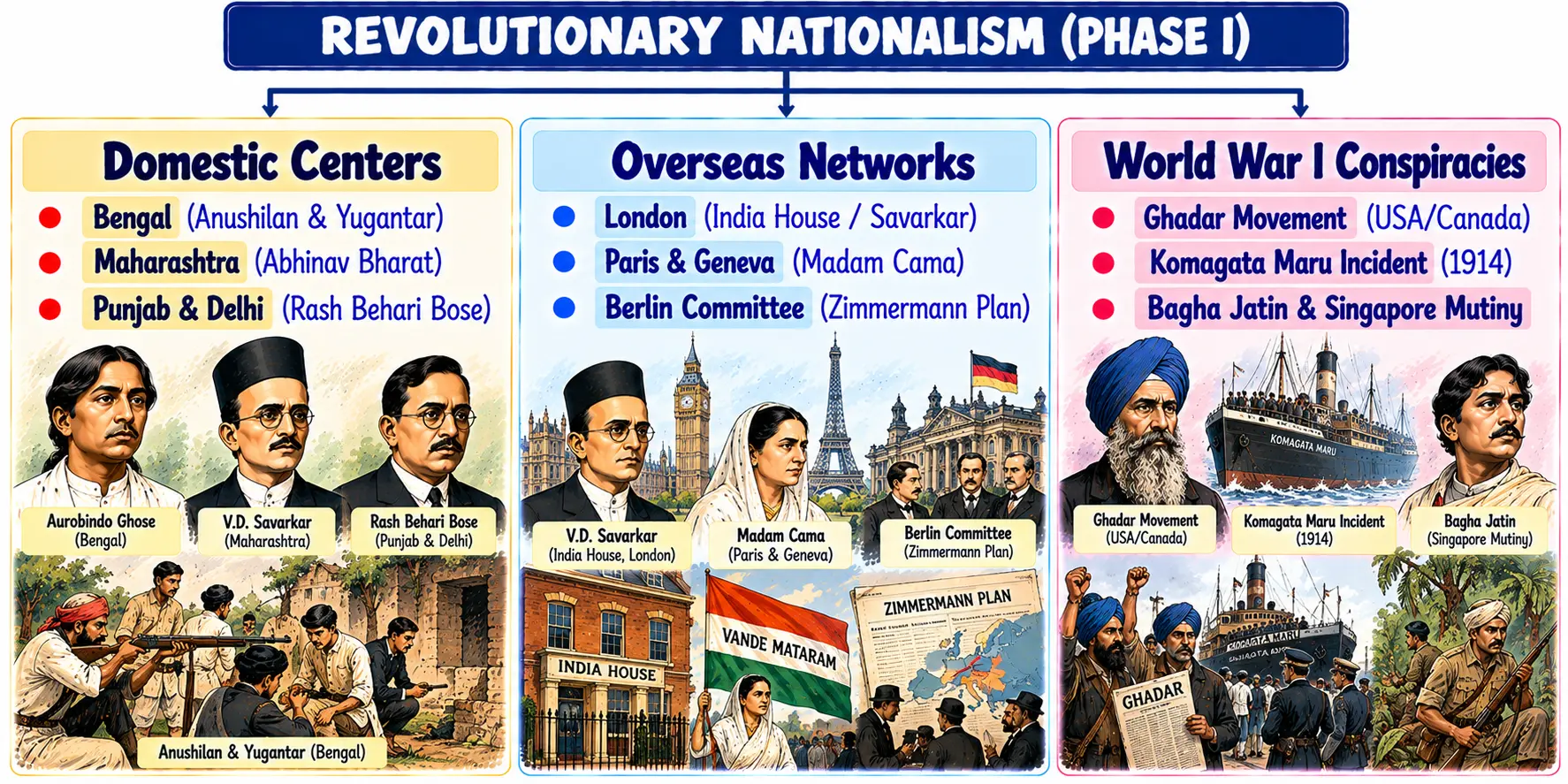 Figure 1: Operational Framework of Phase 1 Revolutionary Nationalism
- Domestic Underground Epicenters: Secret networks in Bengal (Anushilan Samiti & Yugantar), Maharashtra (Abhinav Bharat), and Punjab-Delhi (Bharat Mata Society).
- Overseas Revolutionary Conduits: Safe houses, printing presses, and arms pipelines across London (India House), Paris, Geneva, and San Francisco (Ghadar Party).
- First World War Conspiracies: Collaborative attempts with Germany (Zimmermann Plan) and pan-Indian mutiny plots to strike against British wartime vulnerabilities.
1. Revolutionary Activities in Bengal
Bengal emerged as the ideological and operational epicenter of early revolutionary nationalism, drawing inspiration from Bankim Chandra Chatterjee’s novel Anandamath, Swami Vivekananda’s message of physical strength, and the Bhagavad Gita’s philosophy of selfless duty.
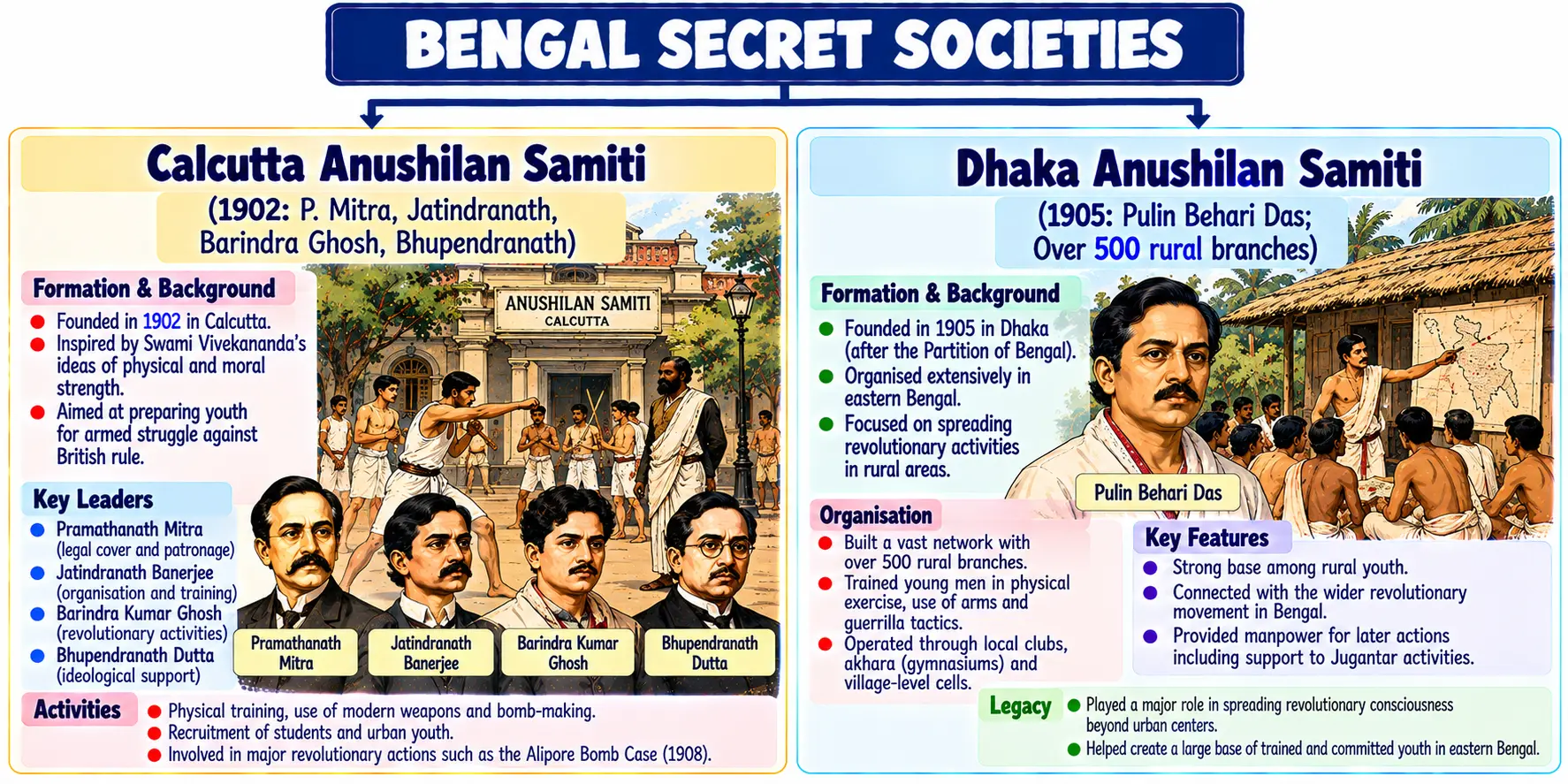 Figure 2: Organizational Network of Bengal Secret Societies
A. Anushilan Samiti and the Yugantar Group
- Calcutta Anushilan Samiti (1902): Established as physical culture clubs (akharas) in Calcutta by Pramathanath Mitra (P. Mitra), alongside Jatindranath Banerjee, Barindra Kumar Ghosh (younger brother of Aurobindo Ghose), and Sarala Devi Chaudhurani. Jnanendranath Basu organized a parallel branch at Midnapore.
- Dhaka Anushilan Samiti (1905): Organized in East Bengal by Pulin Behari Das, it grew into a highly disciplined, centralized underground apparatus comprising over 500 rural branches.
- The Yugantar Weekly (1906): Founded by Barindra Kumar Ghosh, Bhupendranath Dutta (brother of Swami Vivekananda), and Abhinash Bhattacharya. The journal openly preached physical resistance, boldly advocating that India’s millions must deploy armed force to overthrow colonial subjugation.
- Maniktala Bomb Factory: An underground bomb manufacturing workshop set up at the Maniktala garden house (Calcutta) by Hemchandra Kanungo, who had traveled to Paris to learn modern bomb fabrication techniques from Russian revolutionaries.
B. Major Revolutionary Incidents in Bengal
- Muzaffarpur Bomb Case (April 30, 1908): Khudiram Bose (aged 18) and Prafulla Chaki threw a bomb at a carriage carrying Douglas Kingsford, the repressive Chief Presidency Magistrate of Calcutta. Kingsford was not inside; instead, two British women (the wife and daughter of Pringle Kennedy) were killed. Prafulla Chaki shot himself to avoid arrest, while Khudiram Bose was captured, tried, and hanged on August 11, 1908, becoming an iconic martyr.
- Alipore Bomb Conspiracy Case (1908–1909): A subsequent raid on the Maniktala garden house led to the arrest of 34 revolutionaries, including Aurobindo Ghose and Barindra Ghosh. Approver Narendra Goswami was shot dead inside Alipore Central Jail by fellow prisoners Kanailal Dutta and Satyendranath Bose. Barrister Chittaranjan Das (C.R. Das) successfully defended Aurobindo Ghose, securing his acquittal. Following release, Aurobindo retired to Pondicherry to pursue spiritual philosophy.
- Howrah-Sibpur Conspiracy Case (1910) & Bagha Jatin: Jatindranath Mukherjee (“Bagha Jatin”) assumed leadership of the Yugantar network, executing political expropriations and assassinating British intelligence officials, including Deputy Superintendent Shamsul Alam inside the Calcutta High Court.
2. Revolutionary Activities in Maharashtra
Maharashtra carried an established tradition of militant resistance against colonial hegemony, initiated in 1879 by Vasudev Balwant Phadke, who organized the Ramoshi peasant militia to stage raids against colonial revenue posts.
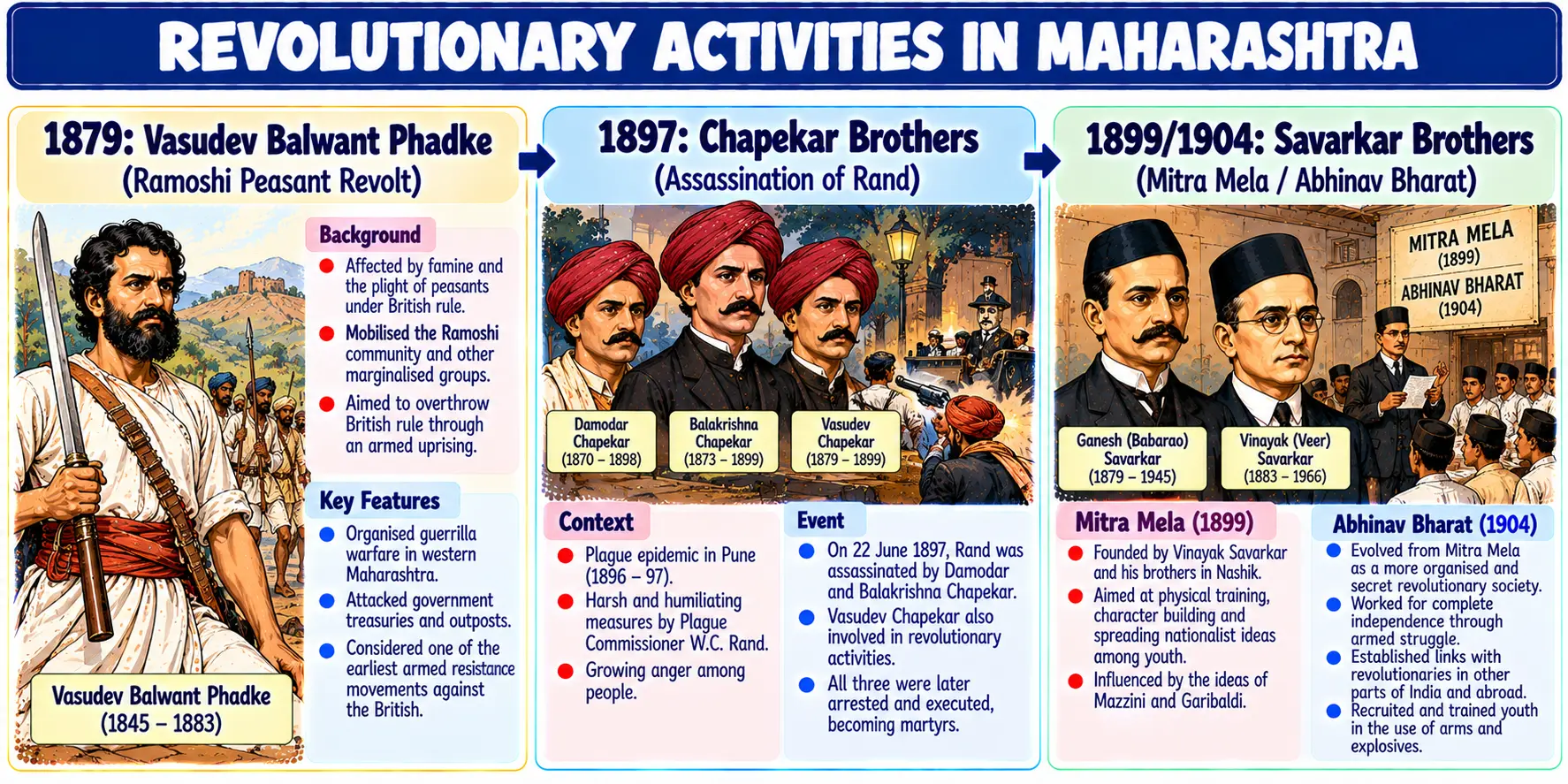 Figure 3: Milestones of Resistance in Maharashtra (1879 – 1904)
A. The Chapekar Brothers (1897)
- During the 1897 bubonic plague in Pune, the Special Plague Committee under Walter Charles Rand carried out invasive house searches, property seizures, and desecration of domestic shrines.
- On June 22, 1897, during Queen Victoria’s Diamond Jubilee celebrations, Damodar Hari Chapekar and Balkrishna Hari Chapekar shot dead W.C. Rand and his military escort Lieutenant Ayerst.
- Both Chapekar brothers were convicted and executed. Bal Gangadhar Tilak was imprisoned for 18 months under Section 124A (sedition) for publishing articles in Kesari justifying historical resistance.
B. V.D. Savarkar and Abhinav Bharat (1904)
- Mitra Mela to Abhinav Bharat: Vinayak Damodar Savarkar and his brother Ganesh Savarkar founded Mitra Mela at Nasik in 1899, reorganizing it in 1904 as Abhinav Bharat (Young India Society), modeled on Mazzini’s Young Italy.
- Nasik Conspiracy Case (1909): Following Ganesh Savarkar’s deportation for publishing patriotic poems, 17-year-old Anant Laxman Kanhere shot dead Nasik District Magistrate Arthur Jackson on December 21, 1909, using a Browning pistol smuggled from London by V.D. Savarkar. Savarkar was arrested in England, extradited to India, and sentenced to 50 years’ transportation to the Cellular Jail.
3. Revolutionary Activities in Punjab, Delhi, and Madras
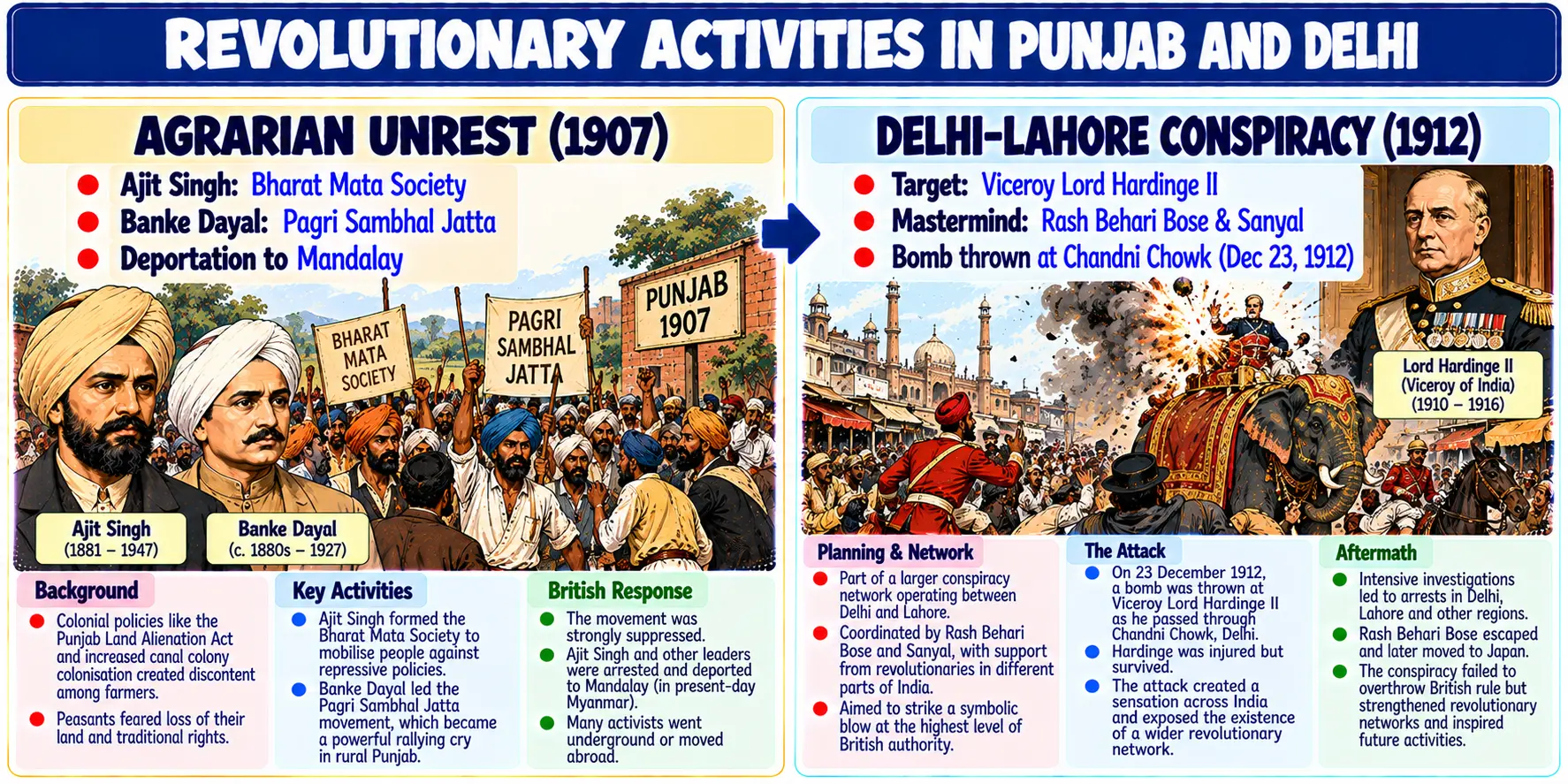 Figure 4: Agrarian Resistance (1907) and the Delhi-Lahore Conspiracy (1912)
A. Punjab and Delhi
- Bharat Mata Society (1907): Founded in Lahore by Ajit Singh, Sufi Amba Prasad, and Lala Lajpat Rai amidst peasant unrest over the Colonization Bill and water rates. Banke Dayal composed the popular agitation anthem “Pagri Sambhal Jatta”. Ajit Singh and Lajpat Rai were subsequently deported to Mandalay under Regulation III of 1818.
- Delhi-Lahore Conspiracy Case (December 23, 1912): Rash Behari Bose and Sachindra Nath Sanyal planned an attack on Viceroy Lord Hardinge II during an imperial elephant procession in Chandni Chowk celebrating the transfer of the capital from Calcutta to Delhi. The bomb injured the Viceroy and killed his attendant. Organizers Master Amir Chand, Avadh Behari, Bhai Balmukund, and Basant Kumar Biswas were executed; Rash Behari Bose evaded capture and fled to Japan in 1915.
B. Madras Presidency
- Assassination of Collector Ashe (June 17, 1911): Vanchinathan (Vanchi Iyer), an operative of Nilakanta Brahmachari’s secret Bharatha Matha Association, assassinated Robert William d’Escourt Ashe, District Collector of Tirunelveli, at Maniyachi Junction before shooting himself to evade arrest.
4. Revolutionary Activities Abroad: Europe & America
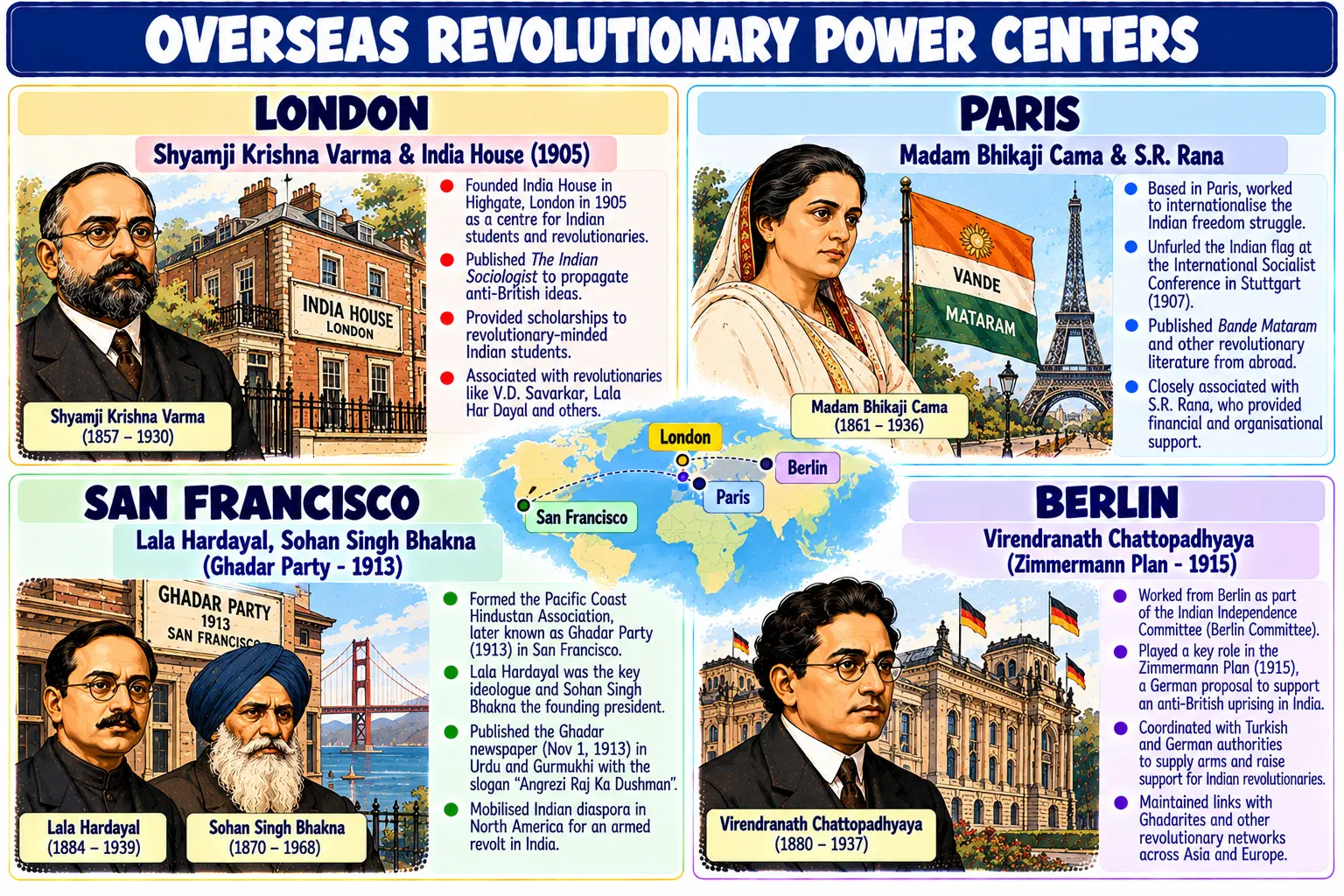 Figure 5: Major Overseas Revolutionary Epicenters Across Europe and America
A. London: India House and Shyamji Krishna Varma
- India House (1905): Founded in Highgate, London, by Shyamji Krishna Varma as a center for Indian students. He established the Indian Home Rule Society, published The Indian Sociologist, and awarded study fellowships to young nationalists, including V.D. Savarkar, Lala Hardayal, and Madan Lal Dhingra.
- Assassination of Curzon Wyllie (July 1, 1909): Madan Lal Dhingra shot dead Sir William Hutt Curzon Wyllie (Political Aide-de-Camp to the Secretary of State for India) at the Imperial Institute in London. Dhingra was hanged at Pentonville Prison on August 17, 1909.
B. Paris, Geneva, and Madam Bhikaji Cama
- Historic Unfurling of the National Flag (1907): Madam Bhikaji Cama, along with S.R. Rana, operated the Paris Indian Society. On August 22, 1907, she unfurled the first design of the Indian National Flag at the International Socialist Congress in Stuttgart, Germany.
- Revolutionary Press: Madam Cama and Virendranath Chattopadhyaya published journals including Bande Mataram (Paris) and Madan’s Talwar (Berlin/Geneva).
5. The Ghadar Movement and the Komagata Maru Incident
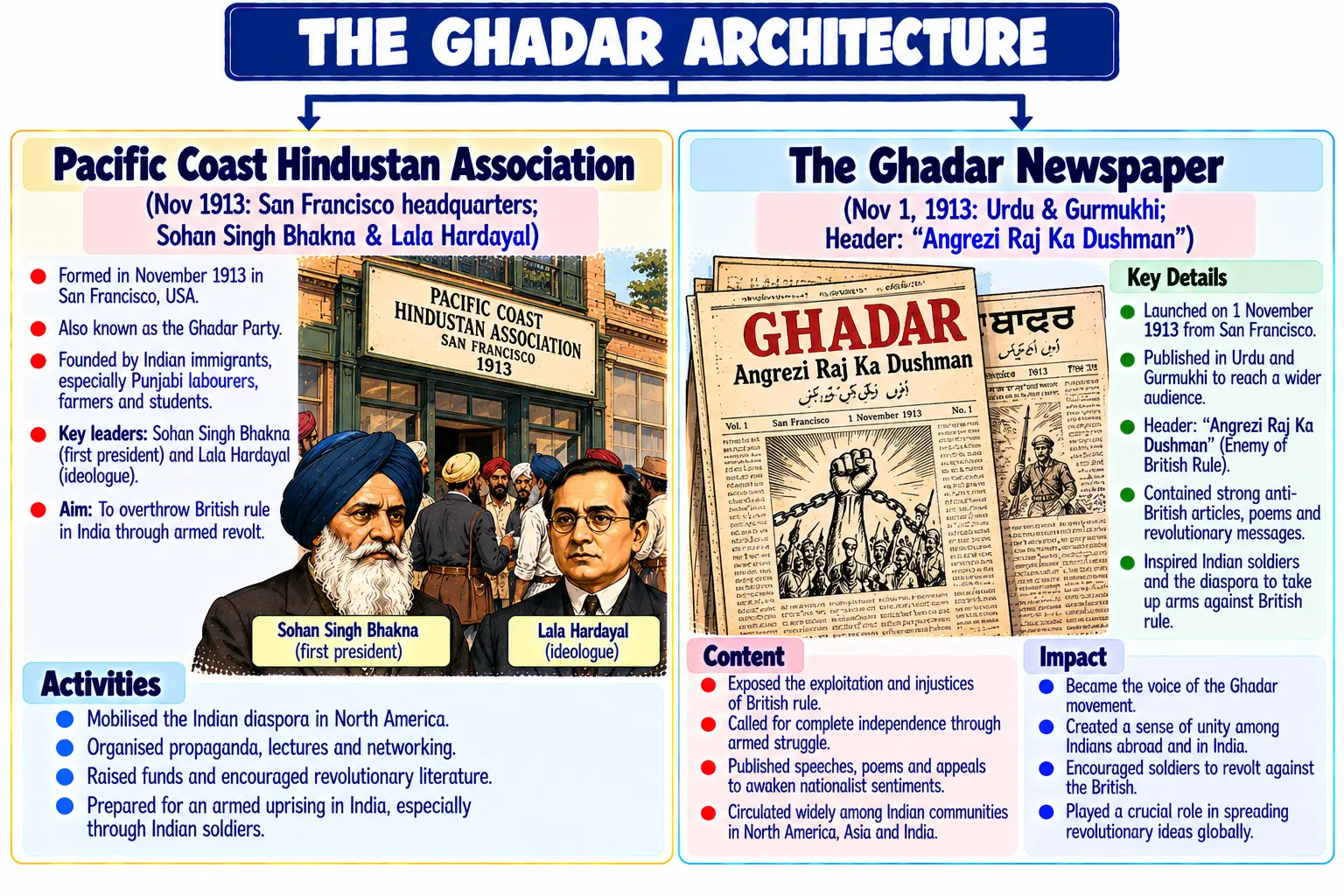 Figure 6: Structural Pillars and Propaganda Strategy of the Ghadar Party
A. Formation and Ideology of the Ghadar Party (1913)
- Establishment: Founded in May 1913 as the Pacific Coast Hindustan Association in Astoria, Oregon, by Punjabi diaspora immigrants facing racial discrimination and immigration barriers. Key leaders included Sohan Singh Bhakna (President), Lala Hardayal (General Secretary), Pandit Kanshi Ram, and Bhai Parmanand. Headquarters were established at Yugantar Ashram in San Francisco.
- The Ghadar Weekly: Launched on November 1, 1913, carrying the masthead “Angrezi Raj Ka Dushman” (Enemy of the British Rule), openly calling for armed revolt and nationwide martyrdom.
- Secular Ideology: The movement maintained a non-sectarian character, uniting Sikh, Hindu, and Muslim workers and demobilized soldiers toward establishing a sovereign, democratic republic of India.
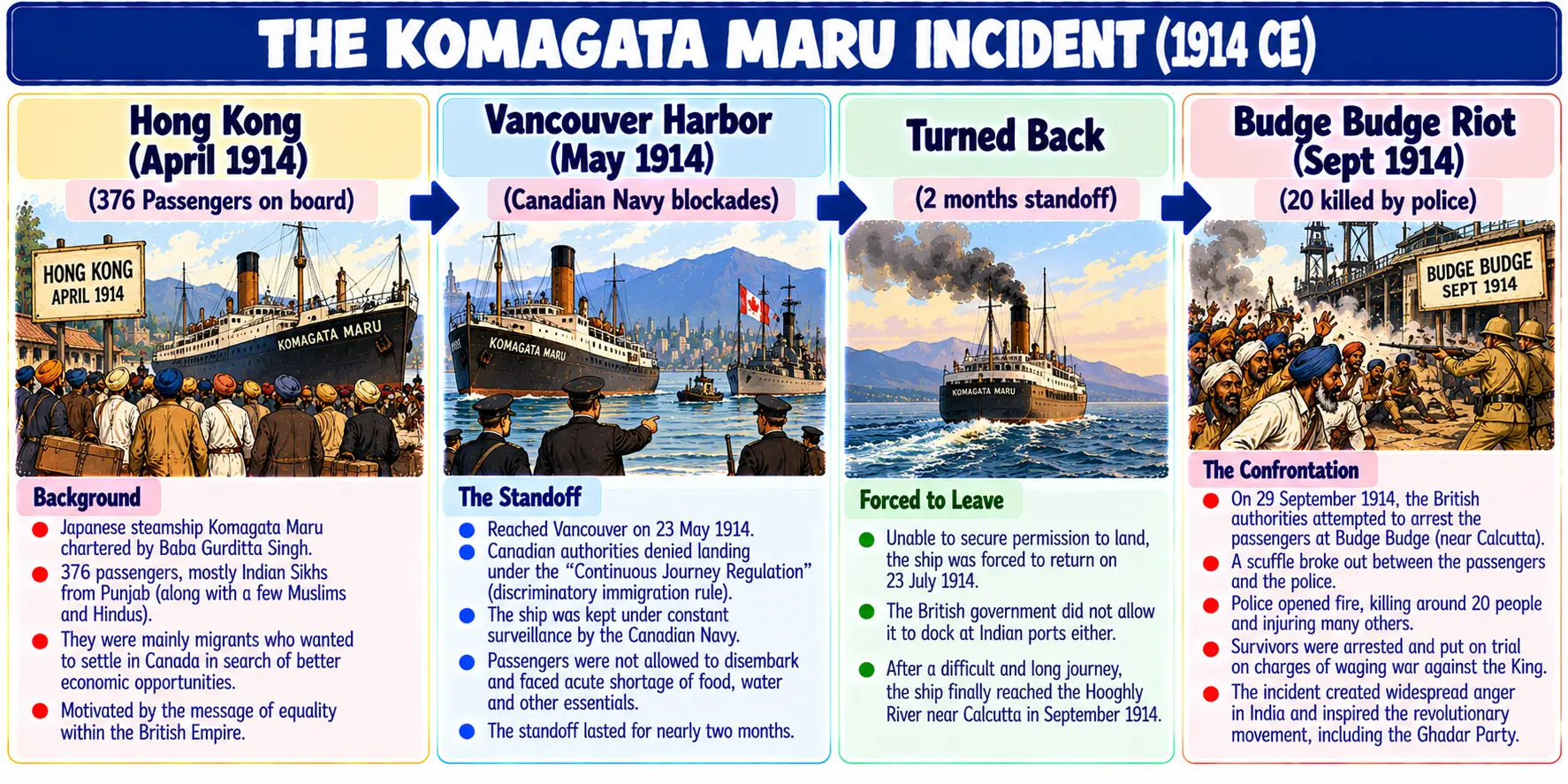 Figure 7: Chronological Route and Aftermath of the Komagata Maru Tragedy
B. The Komagata Maru Incident (1914)
- Vancouver Standoff: In April 1914, Baba Gurdit Singh chartered the Japanese merchant vessel Komagata Maru, carrying 376 passengers (mostly Punjabi Sikhs and Muslims) from Hong Kong to Vancouver. Invoking the restrictive “Continuous Journey Regulation,” Canadian authorities barred entry. After a two-month legal standoff, Canadian warships escorted the vessel out of port on July 23, 1914.
- Budge Budge Firing (September 29, 1914): Upon docking at Budge Budge near Calcutta, British authorities ordered passengers into special trains bound for Punjab. When passengers resisted, police opened fire, killing 20 and arresting over 200, an event that inflamed anti-British feeling across the Punjabi diaspora.
6. World War I Conspiracies and Armed Mutiny Plots (1914 – 1917)
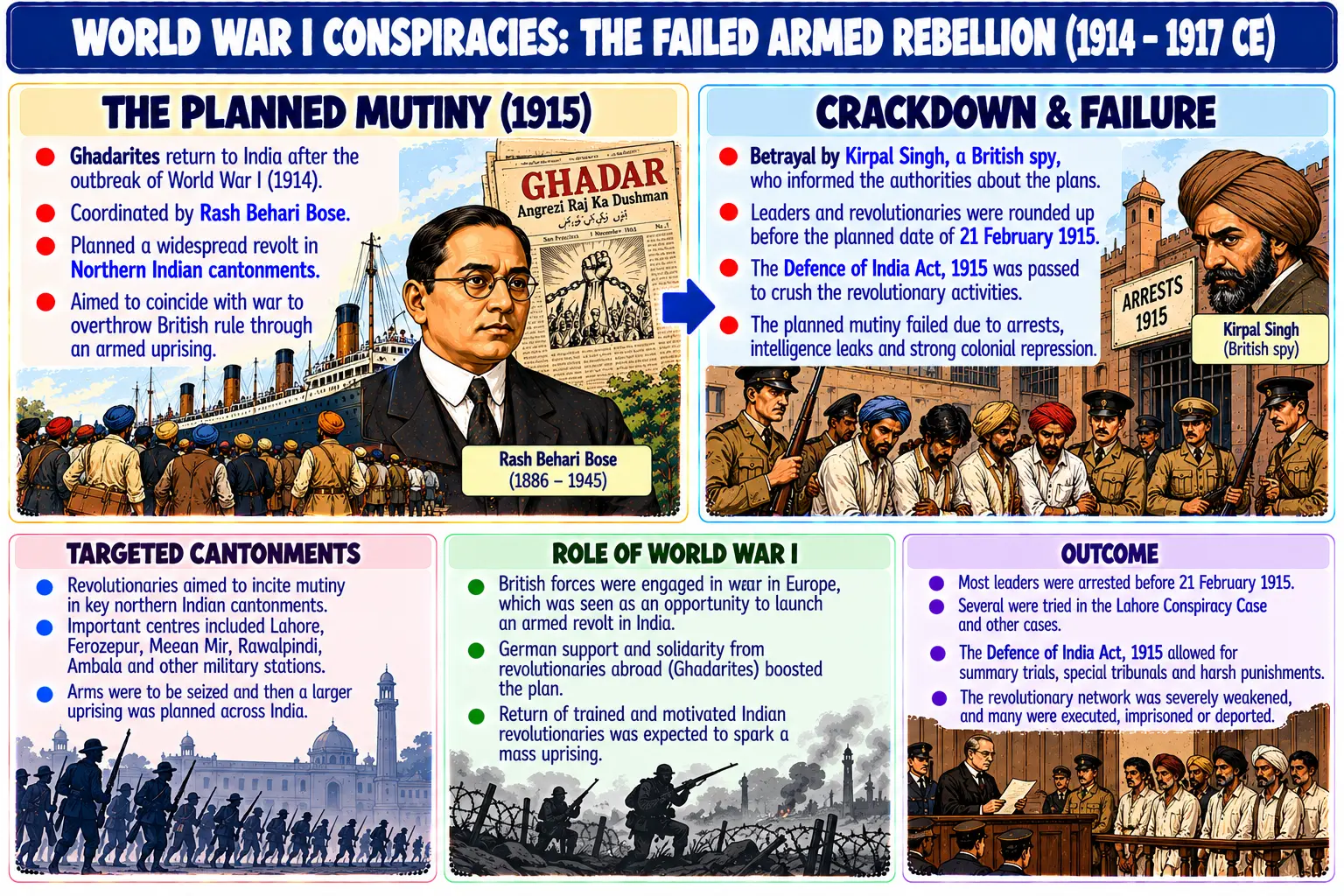 Figure 8: Planned Mutinies and Key Operational Conspiracies During WWI
A. The February 1915 Mutiny Plot
- With the outbreak of World War I, thousands of Ghadarites returned to India to spark armed rebellion within the British Indian Army.
- Rash Behari Bose and Sachindra Nath Sanyal assumed operational leadership in Punjab, planning coordinated mutinies across Ferozepur, Lahore, Rawalpindi, and Meerut garrisons on February 21, 1915.
- Police spy Kirpal Singh betrayed the conspiracy. Barracks were disarmed and leaders arrested, resulting in the First Lahore Conspiracy Case, wherein 42 revolutionaries (including 19-year-old Kartar Singh Sarabha and Vishnu Ganesh Pingle) were executed.
B. The Berlin Committee and the Zimmermann Plan
- Berlin Committee for Indian Independence (1915): Established by Virendranath Chattopadhyaya, Bhupendranath Dutta, and Lala Hardayal with German Foreign Office backing under the “Zimmermann Plan,” intending to smuggle arms to Indian rebels through Southeast Asia.
- Battle of Burhi Balam (September 9, 1915): Jatindranath Mukherjee (Bagha Jatin) and his associates, awaiting a German arms shipment aboard the SS Maverick near Balasore (Odisha), were tracked down following intelligence leaks. After a fierce 75-minute firefight along the Burhi Balam River, Bagha Jatin was mortally wounded and died in Balasore hospital on September 10, 1915.
- Singapore Mutiny (February 15, 1915): Inspired by Ghadar agitation, the all-Muslim 5th Light Infantry mutinied in Singapore under Jamadar Chisti Khan and Subedar Dundey Khan, holding the garrison for two days before being suppressed by Allied forces. Over 40 mutineers were publicly executed.
7. Colonial Legislative Repression
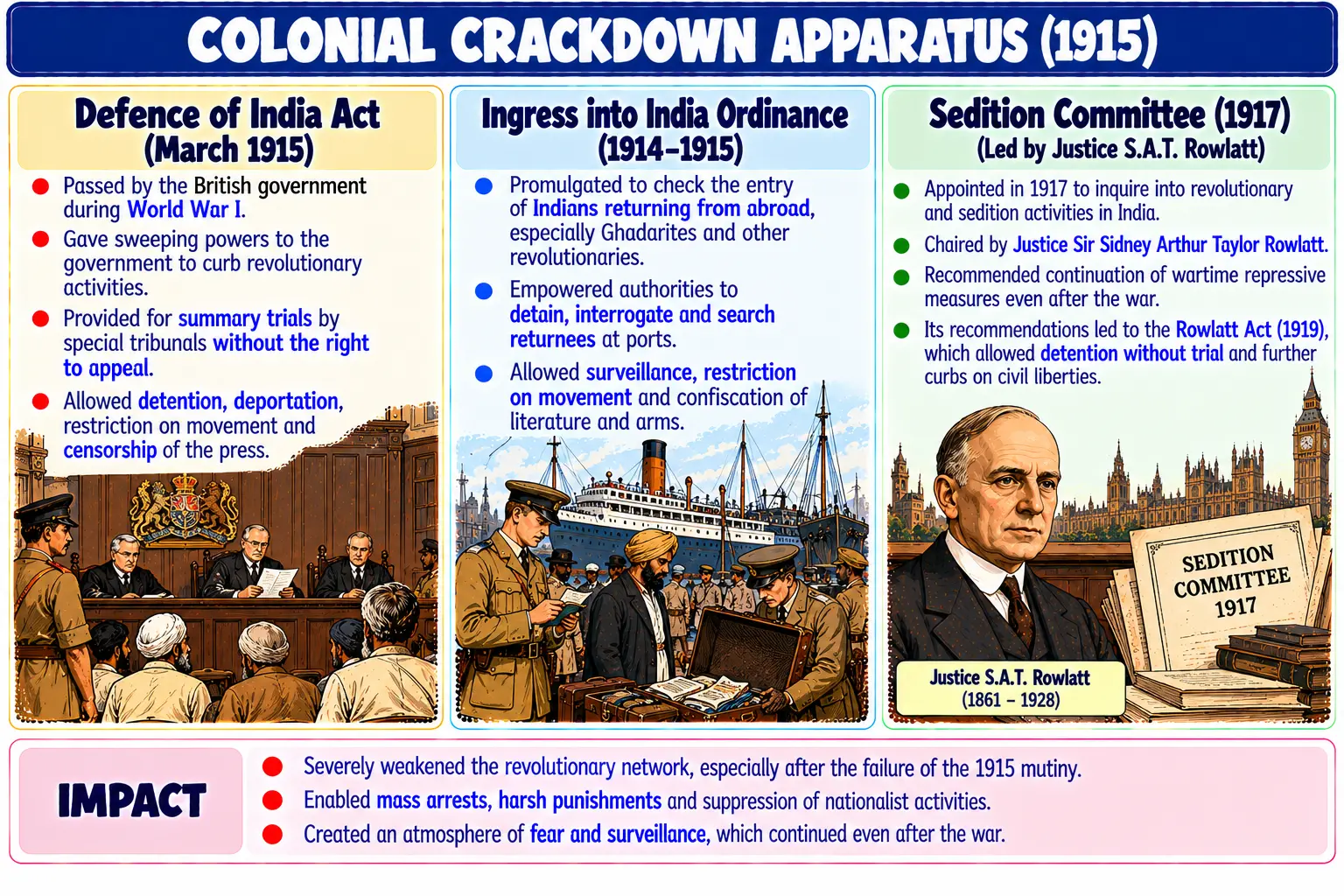 Figure 9: The Colonial State’s Repressive Legal Machinery (1915 – 1919)
- Defence of India Act (1915): Enacted emergency tribunals empowered to conduct summary trials without right to legal counsel or appeal, interning hundreds of suspected revolutionaries.
- Rowlatt Committee (1917–1918): Appointed under Sir Sidney Rowlatt to evaluate seditious conspiracies, leading to the enactment of the Anarchical and Revolutionary Crimes Act of 1919 (Rowlatt Act).
8. Quick Examination Facts
| Topic / Milestone | Key Exam Fact |
|---|---|
| Founders of Calcutta Anushilan Samiti (1902) | Pramathanath Mitra (P. Mitra), Barindra Ghosh, Jatindranath Banerjee |
| Founder of Dhaka Anushilan Samiti (1905) | Pulin Behari Das |
| Founders of Revolutionary Journal Yugantar | Barindra Kumar Ghosh & Bhupendranath Dutta (1906) |
| Muzaffarpur Bomb Incident Date & Target | April 30, 1908; Target: Magistrate Douglas Kingsford |
| Youngest Martyr of Muzaffarpur Case | Khudiram Bose (Hanged August 11, 1908, aged 18) |
| Approver Killed in Alipore Jail | Narendra Goswami (Shot by Kanailal Dutta & Satyendranath Bose) |
| Defense Counsel in Alipore Bomb Trial | Chittaranjan Das (C.R. Das) (Secured Aurobindo’s acquittal) |
| Assassination of W.C. Rand (1897) | Chapekar Brothers (Damodar & Balkrishna Chapekar at Pune) |
| Founders of Abhinav Bharat (1904) | Vinayak Damodar Savarkar & Ganesh Savarkar (Nasik) |
| Assassin of Nasik Magistrate Jackson (1909) | Anant Laxman Kanhere (Abhinav Bharat member) |
| Founders of Bharat Mata Society (Lahore) | Ajit Singh & Sufi Amba Prasad (Pagri Sambhal Jatta) |
| Mastermind of 1912 Bomb on Lord Hardinge | Rash Behari Bose & Sachindra Nath Sanyal (Chandni Chowk, Delhi) |
| Assassin of Collector Ashe at Maniyachi (1911) | Vanchinathan (Vanchi Iyer) |
| Founder of India House in London (1905) | Shyamji Krishna Varma (Journal: The Indian Sociologist) |
| Assassin of Curzon Wyllie in London (1909) | Madan Lal Dhingra |
| First to Unfurl Indian Flag Abroad (1907) | Madam Bhikaji Cama at Stuttgart, Germany (August 22, 1907) |
| Founders of Ghadar Party (1913) | Lala Hardayal & Sohan Singh Bhakna (San Francisco) |
| Headquarters of Ghadar Movement | Yugantar Ashram (San Francisco, USA) |
| Japanese Ship in 1914 Canadian Migration Standoff | Komagata Maru (Chartered by Baba Gurdit Singh) |
| Hero of the Battle of Burhi Balam (1915) | Jatindranath Mukherjee (Bagha Jatin) (Balasore, Odisha) |
| Wartime Emergency Act Passed to Crush Rebels | Defence of India Act 1915 |
9. Conclusion
The first phase of revolutionary nationalism (1907 – 1917) stood as a determined, courageous reaction against colonial autocracy. Although individual assassinations, secret societies, and wartime mutiny plans failed to unseat British rule due to state repression, infiltration, and the lack of a sustained mass organization, they broke the myth of colonial invincibility. Their transnational organizational networks, exemplary secular unity, and willingness to sacrifice laid down the traditions and inspiration that carried forward into the revolutionary movements of the 1920s led by Bhagat Singh, Chandrashekhar Azad, and Surya Sen.
First Phase of Revolutionary Nationalism in India and Abroad (1907 – 1917 CE)
Practice Quiz • 15 MCQs