The Revolt of 1857: Causes, Centers, Leaders, and Consequences
Beginning on May 10, 1857, in the cantonment town of Meerut, the uprising quickly transcended a military mutiny, erupting into a widespread popular rebellion across the Gangetic plains, Central India, and parts of the northwest. Peasants, dispossessed zamindars, artisans, and native rulers joined hands with sepoys to overthrow British colonial hegemony.
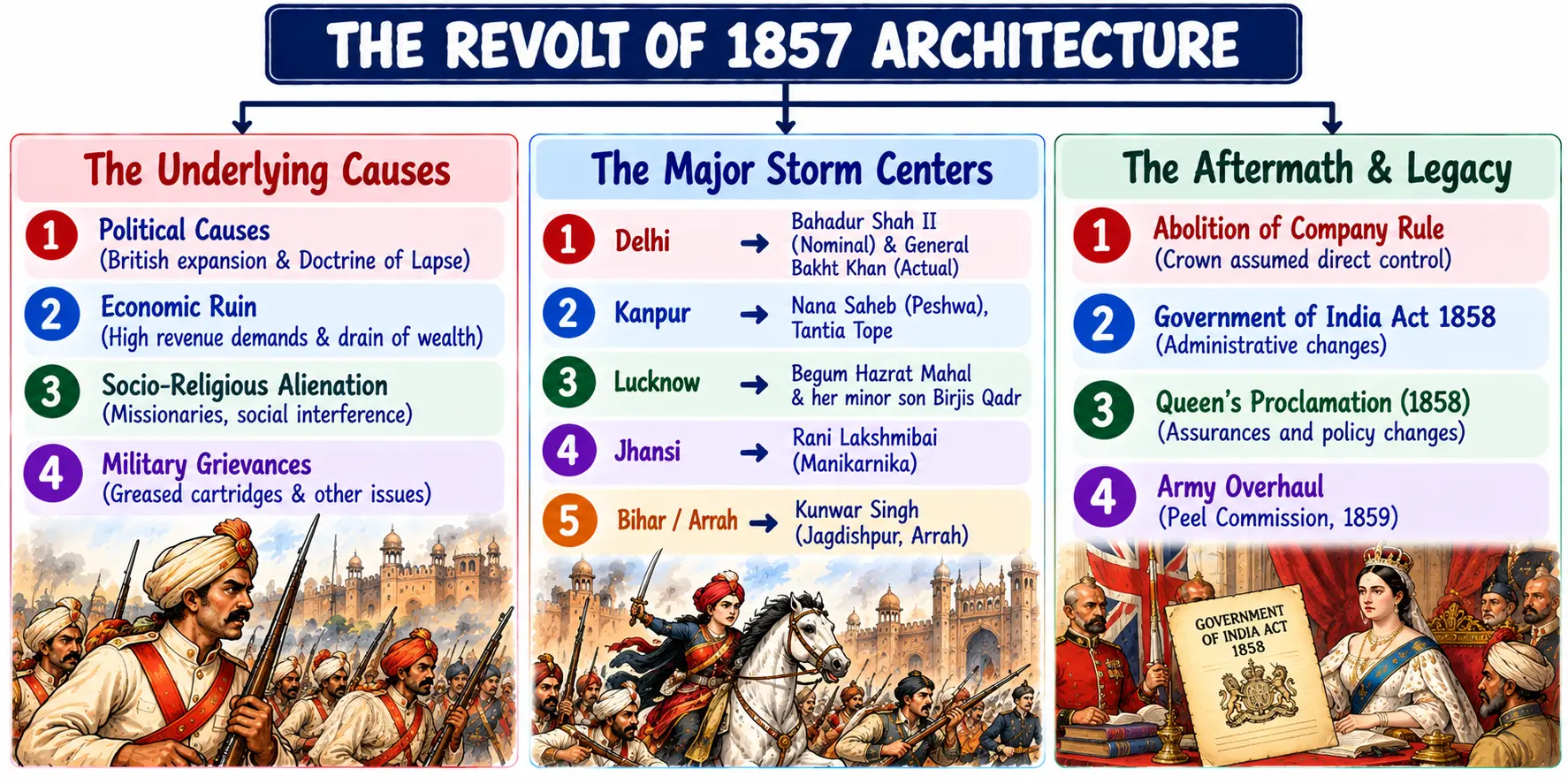 Figure 1: Comprehensive Architecture of the 1857 Revolt
1. Causes of the Revolt
The uprising was not an accidental or sudden outburst; it was the explosive outcome of deep-seated discontent accumulated over a century of colonial subjugation.
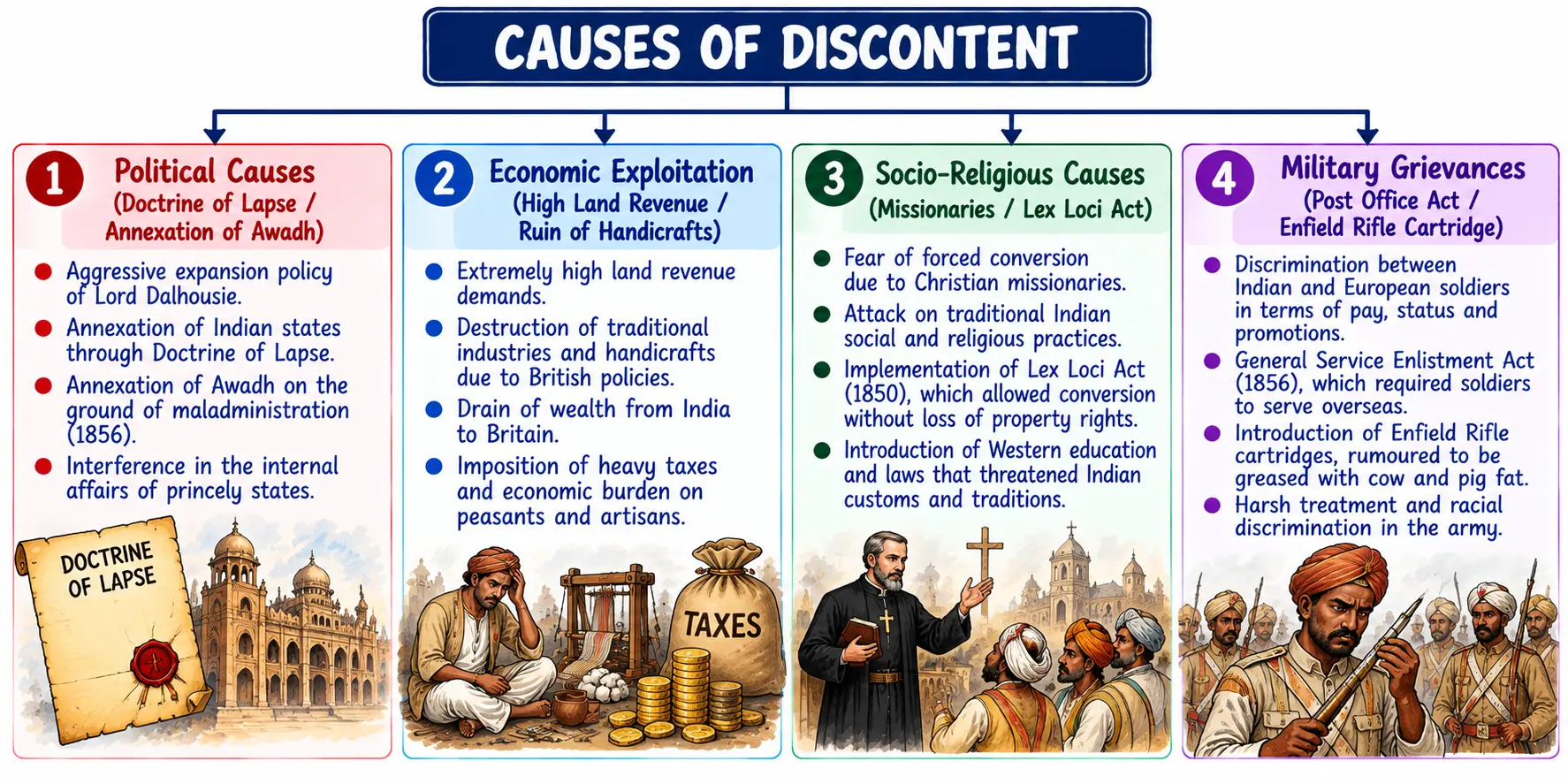 Figure 2: Major Underlying Pillars of Colonial Discontent
A. Political Causes
- Aggressive Annexationist Policies: Lord Dalhousie’s Doctrine of Lapse alienated native princely families. Ancient dynasties—including Satara (1848), Sambalpur (1849), Jhansi (1853), and Nagpur (1854)—were denied their traditional right to choose adopted heirs and their states were annexed.
- Annexation of Awadh (1856): Dalhousie deposed Nawab Wajid Ali Shah on the pretext of “gross maladministration” based on James Outram’s report. This deeply wounded regional pride and alienated the landed nobility (Taluqdars) whose estates were confiscated.
- Disrespect to the Mughal Dynasty: Lord Dalhousie announced that the successors of Bahadur Shah II would have to vacate the historic Red Fort and live in the humble Qutb Minar complex. Lord Canning declared in 1856 that after Bahadur Shah’s death, his successors would lose the imperial title of “King” and be reduced to mere “Princes.”
- Abolition of Regal Titles and Pensions: Nana Saheb, the adopted son of the last Peshwa Baji Rao II, was refused his father’s annual pension of £80,000 by Dalhousie, driving him to lead the rebellion at Kanpur.
- Absentee Sovereignty: Unlike previous conquerors of India (such as the Mughals or Turks), who settled permanently in the country and reinvested revenues domestically, the British governed India from thousands of miles away as an extractive colony.
B. Economic Causes
- Destruction of Traditional Handicrafts: The Industrial Revolution in Britain flooded the Indian market with cheap, machine-made cotton textiles, wiping out India’s world-renowned artisan and weaver communities without providing alternative industrial employment.
- Ruinous Land Revenue Settlements: The Permanent Settlement in Bengal, the Ryotwari System in the South, and the Mahalwari System in the North-West extracted exorbitant tax rates. Peasant defaulting led to massive land evictions and trapped cultivators in the debt nets of moneylenders (Mahajans / Sahukars).
- Dispossession of Landed Aristocracy: In Awadh, the Inam Commission (1852) in the Bombay Presidency confiscated over 20,000 estates that lacked title deeds, reducing prominent landlords to poverty.
C. Socio-Religious Causes
- Racial Arrogance and Superiority Complex: British officials viewed Indians as racially inferior, treating them with open disdain and subjecting them to separate judicial treatments.
- Religious Disquiet: The rapid expansion of Christian missionaries under state patronage following the Charter Act of 1813 raised widespread fears that the Company was orchestrating mass conversions to Christianity.
- Social Reform Legislation: Well-intentioned laws were viewed by conservative orthodoxy as direct attacks on Hindu and Muslim religious traditions:
- Abolition of Sati (1829): Enacted under Lord William Bentinck.
- Hindu Widows’ Remarriage Act (1856): Drafted by Dalhousie and passed under Lord Canning, spearheaded by Ishwar Chandra Vidyasagar.
- Religious Disabilities Act / Lex Loci Act (1850): Stated that conversion to another religion (specifically Christianity) would not deprive a son of his hereditary ancestral property.
- Taxation of Religious Lands: The East India Company began taxing lands attached to temples, mosques, and religious endowments that had been tax-free under native rulers.
D. Military Grievances
The British Indian Army was a colonial force whose foot-soldiers (Sepoys) were drawn from the Indian peasantry:
- Low Pay and Racial Discrimination: An Indian sepoy could never rise above the rank of Subedar (the lowest commissioned officer rank), and his salary was a fraction of what an ordinary British private earned.
- The General Service Enlistment Act (1856): Passed by Lord Canning, it mandated that all future recruits of the Bengal Army must serve overseas if ordered. In orthodox high-caste Hindu belief, crossing the ocean (Kalapani) caused the loss of one’s caste status.
- Deprivation of Foreign Service Allowance (Bhatta): Post-annexation, troops serving in Sindh or Punjab were stripped of their extra field allowance because those regions were now counted as internal British territory.
- Post Office Act (1854): Withdrew the historic privilege of free postage that sepoys had enjoyed for sending letters home.
- Awadh as the “Nursery of the Bengal Army”: Nearly 75,000 sepoys in the Bengal Army hailed from Awadh. Every agricultural crisis or administrative indignity suffered by the peasantry of Awadh directly agitated the troops in the barracks.
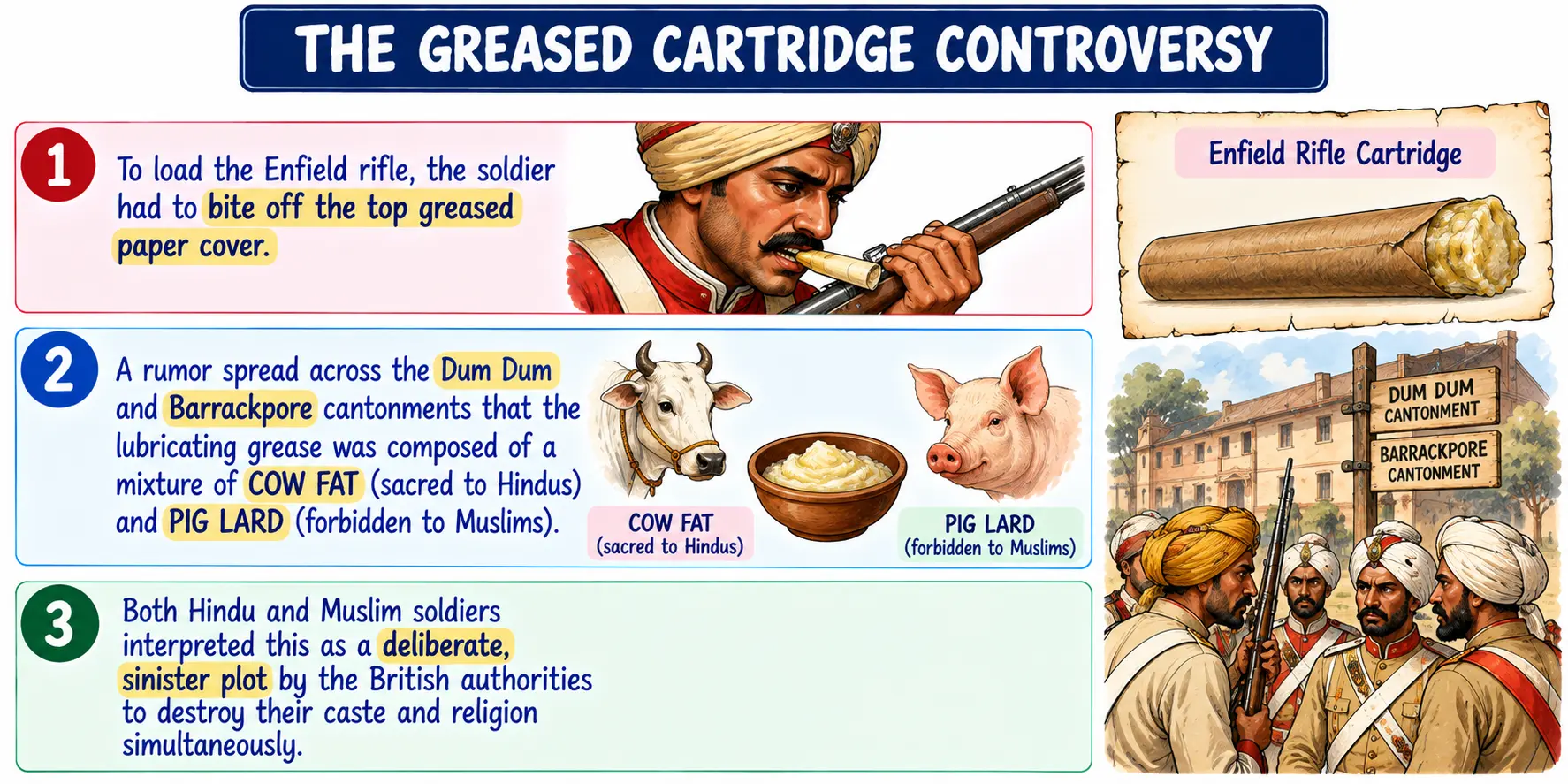 Figure 3: The Immediate Spark – The Greased Cartridge Crisis
- The Company replaced the outdated smooth-bore Brown Bess musket with the high-precision Enfield Rifle.
- To load the Enfield rifle, the soldier had to bite off the greased paper cartridge top.
- Rumors spread across Dum Dum and Barrackpore cantonments that the lubricating grease was composed of a mixture of cow fat (sacred to Hindus) and pig lard (forbidden to Muslims).
- Both Hindu and Muslim soldiers interpreted this as a deliberate plot by British authorities to subvert their caste and religious identities.
2. The Outbreak of the Rebellion
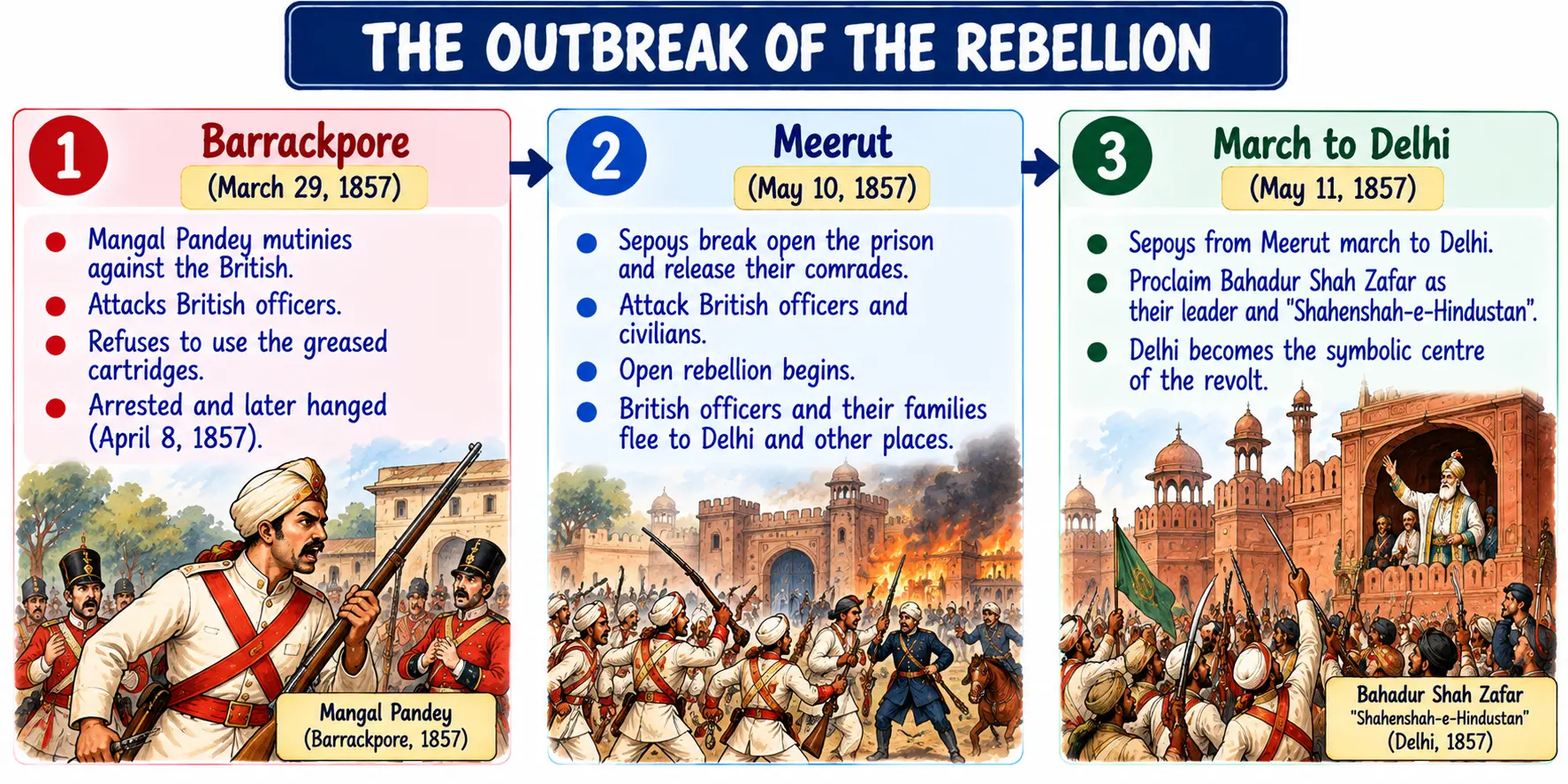 Figure 4: Chronological Sequence of the Outbreak (March – May 1857)
- The Spark at Barrackpore (March 29, 1857): Young sepoy Mangal Pandey of the 34th Bengal Native Infantry stationed at Barrackpore (near Kolkata) refused to use the greased cartridges and fired upon Sergeant-Major Hewson and Lieutenant Baugh. He was court-martialed and hanged on April 8, 1857, and his regiment was disbanded in disgrace.
- The Outbreak at Meerut (May 10, 1857): On April 24, 85 troopers of the 3rd Native Cavalry at Meerut refused to handle the cartridges. On May 9, they were publicly stripped of their uniforms and sentenced to 10 years of rigorous imprisonment in irons. On Sunday evening, May 10, their fellow sepoys broke into open mutiny, stormed the military jail, killed British officers, released their comrades, and marched through the night toward Delhi shouting “Chalo Dilli”.
- Capture of Delhi and Proclamation (May 11–12, 1857): The mutineers crossed the Yamuna bridge, entered the Red Fort, and persuaded the aging, reluctant Mughal Emperor Bahadur Shah II (Zafar) to accept the leadership of the rebellion. He was proclaimed “Shahenshah-e-Hindustan” (Emperor of India), transforming a localized military mutiny into a nationwide war of liberation.
3. Major Storm Centers, Leaders, and British Suppressors
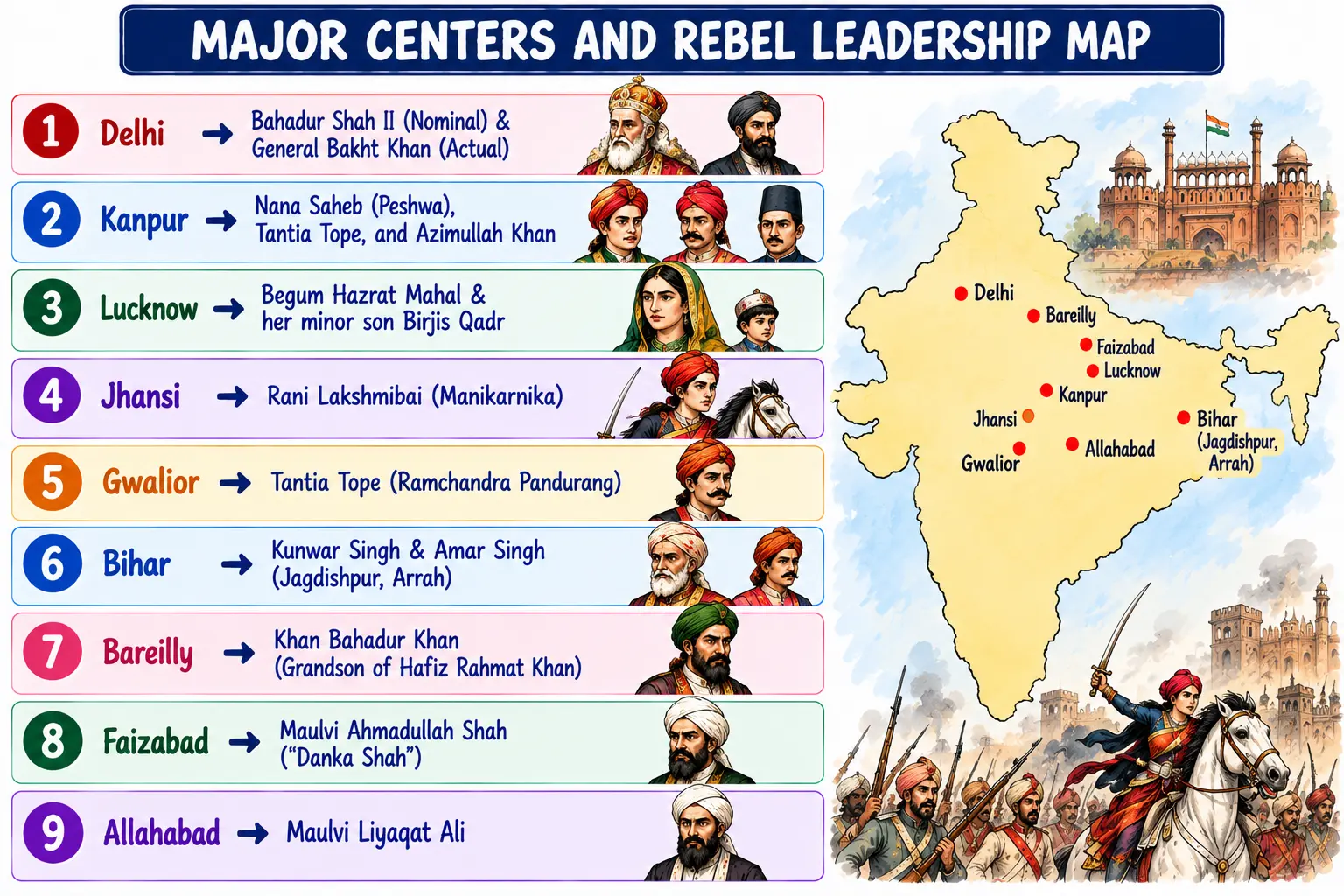 Figure 5: Prominent Storm Centers and Respective Leadership
| Center of Revolt | Indian Rebel Leaders | British Suppressors | Key Historical Highlights |
|---|---|---|---|
| Delhi | Bahadur Shah II ‘Zafar’ & General Bakht Khan | John Nicholson (killed), Sir Archdale Wilson, Captain Hodson | Hodson executed sons and grandson of Bahadur Shah at Khooni Darwaza; Emperor exiled to Rangoon. |
| Kanpur | Nana Saheb (Dhondu Pant), Tantia Tope, Azimullah Khan | Sir Colin Campbell (Lord Clyde), General Havelock | Nana Saheb declared himself Peshwa; after defeat, he escaped to Nepal. |
| Lucknow (Awadh) | Begum Hazrat Mahal & Birjis Qadr | Sir Colin Campbell, James Outram, Henry Lawrence (killed) | Protracted siege; Begum Hazrat Mahal rejected British terms and took asylum in Nepal. |
| Jhansi | Rani Lakshmibai (Manikarnika) | Sir Hugh Rose | Refused annexation under Doctrine of Lapse; fell fighting heroically at Gwalior on June 18, 1858. |
| Gwalior | Tantia Tope & Rani Lakshmibai | Sir Hugh Rose, General Napier | Tantia Tope led guerrilla warfare until betrayed by Man Singh in April 1859 and executed. |
| Jagdishpur / Arrah | Babu Kunwar Singh & Amar Singh | William Taylor, Vincent Eyre | 80-year-old landlord who defeated British detachments across Bihar before dying of battle wounds. |
| Bareilly | Khan Bahadur Khan | Sir Colin Campbell | Grandson of Hafiz Rahmat Khan; established an effective regional rebel administration in Rohilkhand. |
| Faizabad | Maulvi Ahmadullah Shah (“Danka Shah”) | Sir Colin Campbell | Outstanding military strategist from Madras; British placed a ₹50,000 bounty on his head. |
| Allahabad & Banaras | Maulvi Liyaqat Ali | Colonel James Neill | Suppressed with severe brutality, including widespread summary hangings along the Grand Trunk Road. |
Sir Hugh Rose’s Tribute to Rani Lakshmibai: After the capture of Gwalior, British Commander Sir Hugh Rose remarked: “Here lay the woman who was the only man among the rebels.”
4. Causes of the Failure of the Revolt
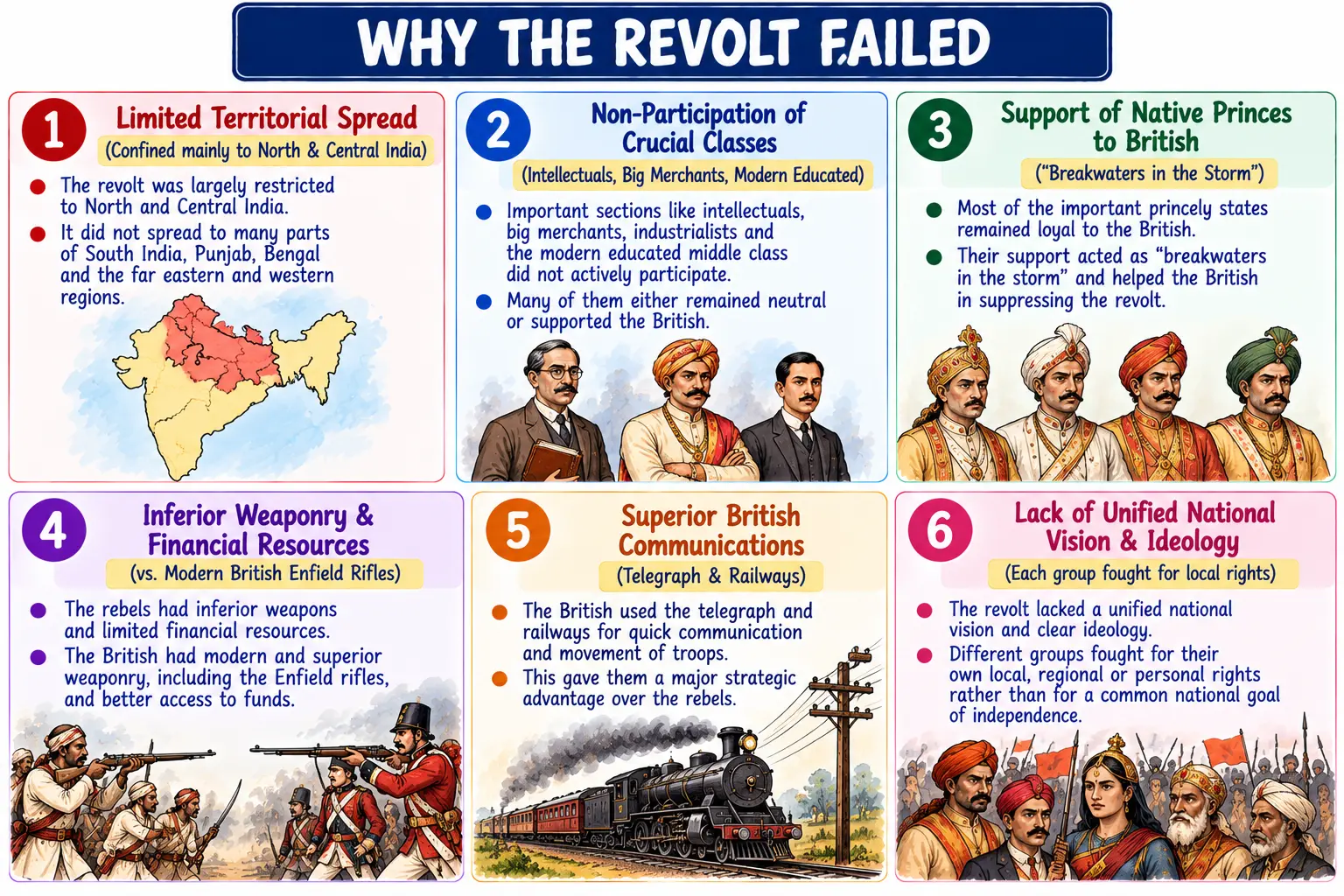 Figure 6: Structural Weaknesses Leading to the Collapse of the Revolt
- Limited Geographic Spread: The uprising was primarily confined to Northern and Central India. South India, Western India, Punjab, Rajasthan, and Eastern Bengal remained largely peaceful or aided British operations.
- Support of Native Princes: Lord Canning noted that Indian princes acted as “breakwaters in the storm.” The Scindias of Gwalior, Holkars of Indore, Nizam of Hyderabad, and chieftains of Patiala and Jind provided troops, mounts, and intelligence to the British.
- Absence of Modern Educated Classes: The Western-educated Indian middle class considered the rebellion a regressive, feudal reaction, believing British rule was essential to modernize and reform Indian society.
- Technological and Military Disparity: Rebel forces relied on antiquated swords, spears, and smooth-bore muskets, whereas British units deployed Enfield rifles and superior field artillery.
- Electric Telegraph and Railways: The electric telegraph network enabled rapid communication between Calcutta, Punjab, and Delhi, allowing commanders to coordinate troop movements and preempt rebel offensives.
- Lack of Unified Political Vision: The movement was ideologically fragmented. Participants fought for localized or feudal restorations rather than a forward-looking national governance model.
5. Nature and Character of the Revolt: Historical Perspectives
| Historian / Thinker | Characterization | Key Argument / Work |
|---|---|---|
| Sir John Lawrence & Sir John Seeley | “A Sepoy Mutiny” | Argued it was a wholly unpatriotic and selfish military outbreak with no popular or national backing. |
| Sir Syed Ahmad Khan | Author of Asbab-e-Baghawat-e-Hind (1858) | First Indian to write on the revolt; cited lack of Indian legislative representation as the primary cause. |
| Benjamin Disraeli | “A National Rising” | Maintained in the British Parliament (1857) that it was a national rebellion rather than a localized military mutiny. |
| V.D. Savarkar | “The First War of Indian Independence” | Penned The War of Indian Independence (1909), defining it as an organized national insurrection. |
| Karl Marx | “A National Revolt” | Dispatches in the New York Daily Tribune (1857) characterized it as an anti-colonial uprising sparked by British extractive policies. |
| Dr. R.C. Majumdar | “Neither First, nor National, nor a War of Independence” | Argued in his 1957 work that leaders fought for personal, regional, and feudal interests rather than unified nationhood. |
| Dr. S.N. Sen | Official Nationalist View | Observed in Eighteen Fifty-Seven (1957): “What began as a fight for religion ended as a war for independence.” |
6. Consequences and Aftermath: The New Imperial Order
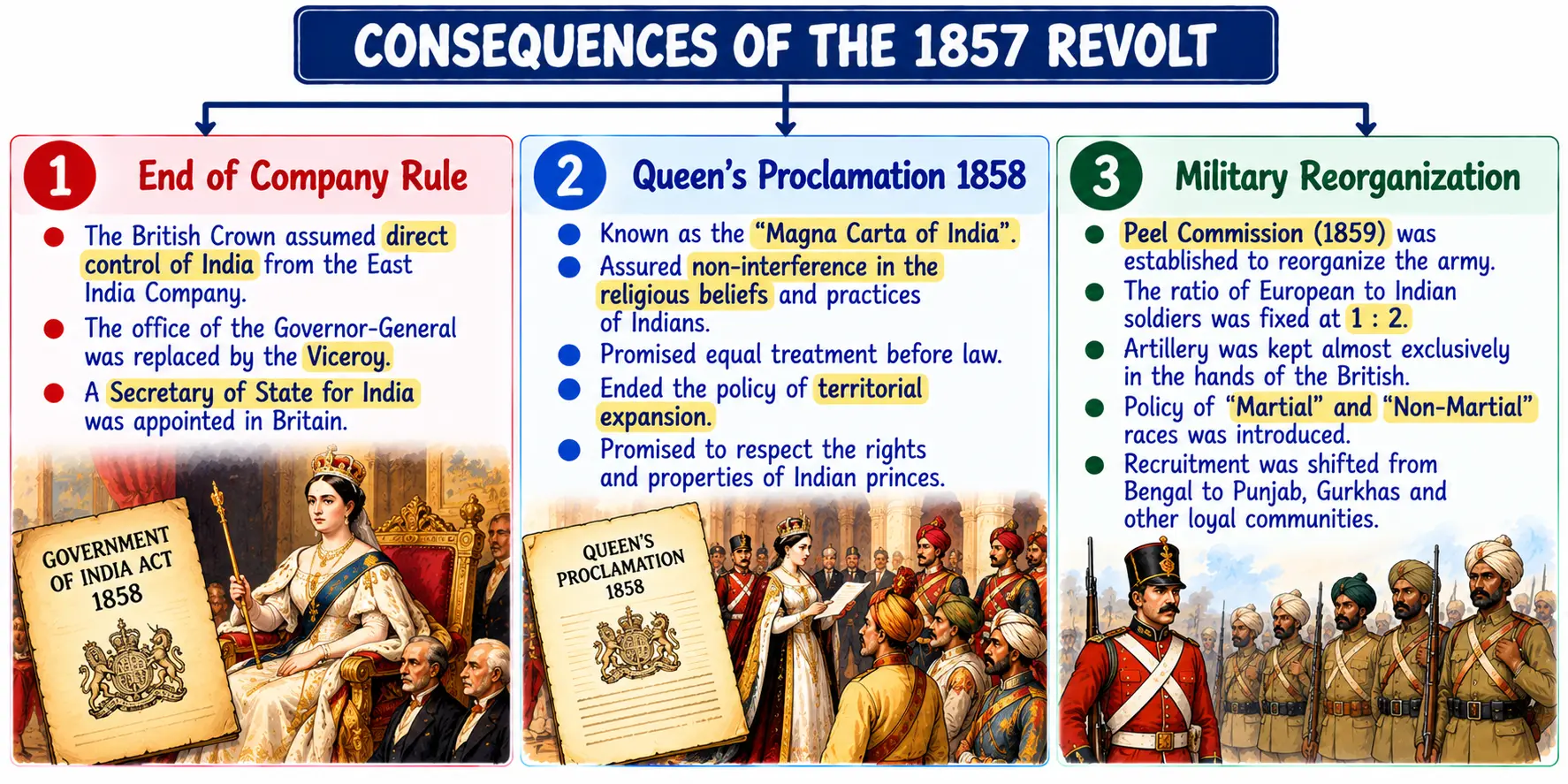 Figure 7: Constitutional, Territorial, and Military Transformation Post-1857
A. The Government of India Act of 1858
- Abolition of Company Rule: Direct governance of India was transferred to the British Crown under Queen Victoria.
- Secretary of State for India: The dual control of the Board of Control and Court of Directors was replaced by a cabinet-level Secretary of State in London, assisted by the 15-member Council of India.
- Establishment of the Viceroy: The Governor-General received the additional title of Viceroy (Crown representative). Lord Canning became the first Viceroy of India.
B. Queen Victoria’s Proclamation (November 1, 1858)
Read by Lord Canning at the Allahabad Durbar, this declaration became known as the “Magna Carta of the People of India”:
- Renunciation of Annexation: The Crown abandoned territorial expansion and pledged to honor existing treaties with princely states.
- Abolition of Doctrine of Lapse: Native rulers gained the right to adopt successors to their domains and private properties.
- Religious Neutrality: Pledged non-interference in Indian religious practices, domestic rituals, and customs.
- Equal Protection: Promised equal legal protection and eligibility for civil employment irrespective of race or creed.
C. Military Reorganization (The Peel Commission, 1859)
- European-to-Indian Ratios: The proportion of British troops was increased significantly: fixed at 1:2 in the Bengal Army and 1:3 in the Madras and Bombay Armies.
- Artillery Control: Heavy artillery and armaments were placed strictly under European oversight.
- Martial and Non-Martial Races: Regions active in the revolt (Awadh, Bihar) were classified as “Non-Martial” and downsized. Recruiting shifted to “Martial Races” (Gorkhas, Sikhs, Pathans) who had assisted the British.
- Communal Counterpoise: Units were formed along communal, regional, and caste lines to forestall collective mutiny.
7. Quick Examination Facts
| Topic / Feature | Key Exam Fact |
|---|---|
| Governor-General during 1857 Revolt | Lord Canning (1856 – 1862) |
| British Prime Minister during 1857 Revolt | Lord Palmerston (Henry John Temple) |
| First Sepoy to Revolt at Barrackpore | Mangal Pandey (March 29, 1857; 34th BNI) |
| Official Date of Outbreak at Meerut | May 10, 1857 (3rd Native Cavalry) |
| Nominal Leader of the Revolt | Bahadur Shah II ‘Zafar’ (Shahenshah-e-Hindustan) |
| Actual Military Commander at Delhi | General Bakht Khan (Bareilly Brigade) |
| British Commander Retaking Delhi | John Nicholson & Captain Hodson |
| Leader at Kanpur | Nana Saheb (Dhondu Pant) & Azimullah Khan |
| Real Name of Tantia Tope | Ramchandra Pandurang (executed April 1859) |
| British Commander Defeating Rani Lakshmibai | Sir Hugh Rose (Kotah-ki-Serai / Gwalior) |
| Rebel Leader of Bihar | Babu Kunwar Singh (Jagdishpur, Arrah) |
| Rebel Leader Titled “Danka Shah” | Maulvi Ahmadullah Shah (Faizabad) |
| First Indian Analysis of the Revolt | Sir Syed Ahmad Khan (Asbab-e-Baghawat-e-Hind, 1858) |
| Author of The War of Indian Independence | V.D. Savarkar (Published 1909) |
| Army Reorganization Commission | Peel Commission (1859) |
| Act Ending Company Administration | Government of India Act 1858 |
| First Viceroy of India | Lord Canning (1858) |
| Venue & Date of Queen’s Proclamation | Allahabad, November 1, 1858 |
8. Conclusion
The Revolt of 1857 was a major convulsion of traditional Indian society against foreign economic exploitation and political subjugation. While its military defeat resulted from regional isolation, traditional leadership, and technological disparity, its historical significance was transformative. It terminated a century of East India Company mercantile governance, placed India directly under the British Crown, and exposed fundamental imperial vulnerabilities. The efforts of figures like Rani Lakshmibai, Kunwar Singh, and Tantia Tope provided enduring inspiration, establishing the foundation for the broader Indian National Movement.
The Revolt of 1857
Practice Quiz • 15 MCQs