Rowlatt Act, Jallianwala Bagh Massacre, Khilafat Movement, and the Non-Cooperation Movement (1919 – 1922 CE)
The period between 1919 and 1922 witnessed a fundamental rupture in Indo-British relations. The passage of the authoritarian Rowlatt Act and the horrifying brutality of the Jallianwala Bagh Massacre dismantled India’s remaining faith in British constitutional benevolence. In response, Mahatma Gandhi united anti-imperialist fervor with the pan-Islamic grievance of the Khilafat Movement, launching India’s first nationwide mass challenge to colonial authority: the Non-Cooperation Movement.
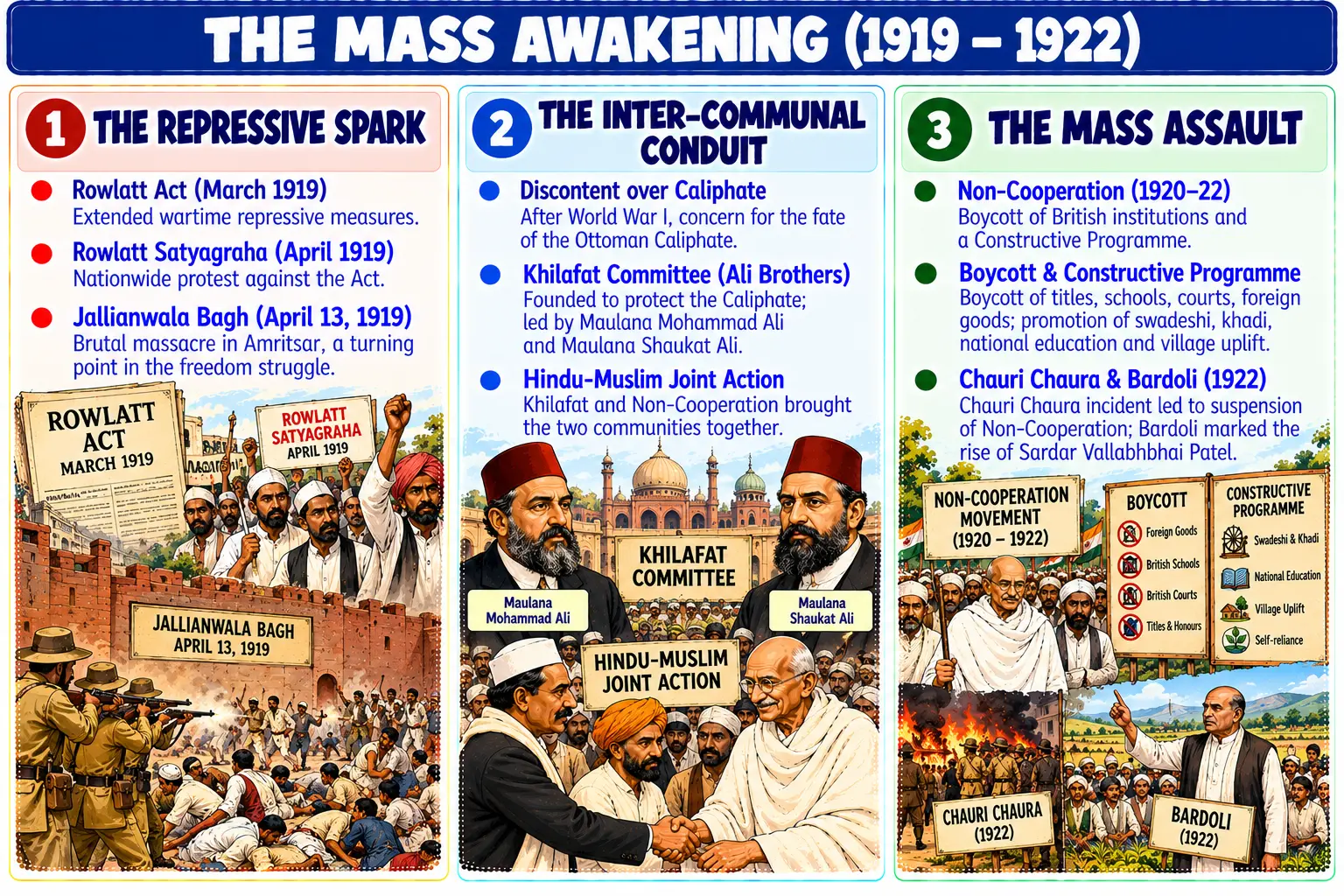 Figure 1: Core Trajectory of Nationalist Mass Mobilization (1919–1922)
- The Repressive Spark: Rowlatt Act (March 1919), nationwide Rowlatt Satyagraha, and the horrific Jallianwala Bagh Massacre (April 13, 1919).
- The Inter-Communal Conduit: Post-war pan-Islamic grievance regarding the Ottoman Caliphate channelled through the Khilafat Committee into joint anti-colonial action.
- The Mass Assault: Non-Cooperation Movement (1920–1922), constitutional overhaul at Nagpur, nationwide boycott, Swadeshi constructive work, and sudden suspension after Chauri Chaura.
1. The Rowlatt Act and the Rowlatt Satyagraha (1919 CE)
A. The Government of India Act of 1919 (Montagu-Chelmsford Reforms)
To placate moderate nationalists, the British Parliament enacted the Government of India Act of 1919, incorporating the promises of the 1917 Montagu Declaration:
- Provincial Dyarchy: Introduced a dual system of governance in the provinces by bifurcating provincial subjects into two distinct categories:
- Transferred Subjects: Administered by the Governor on the advice of elected Indian ministers responsible to the Legislative Council (e.g., Local Self-Government, Education, Public Health, Agriculture).
- Reserved Subjects: Administered exclusively by the Governor and his Executive Council without legislative accountability (e.g., Law and Order, Police, Justice, Land Revenue, Finance).
- Bicameral Central Legislature: Replaced the imperial council with a bicameral legislature comprising the Council of State (Upper House) and the Central Legislative Assembly (Lower House).
- Nationalist Disillusionment: Tilak branded the reforms “unworthy and disappointing, a sunless dawn,” while the Congress condemned the scheme as failing to grant genuine responsible government.
B. The Anarchical and Revolutionary Crimes Act of 1919 (“Rowlatt Act”)
Simultaneously, the colonial government sought to permanently institutionalize wartime emergency powers to suppress sedition. Based on the recommendations of the Sedition Committee (1917) chaired by British judge Sir Sidney Rowlatt, the Imperial Legislative Council passed the Anarchical and Revolutionary Crimes Act in March 1919.
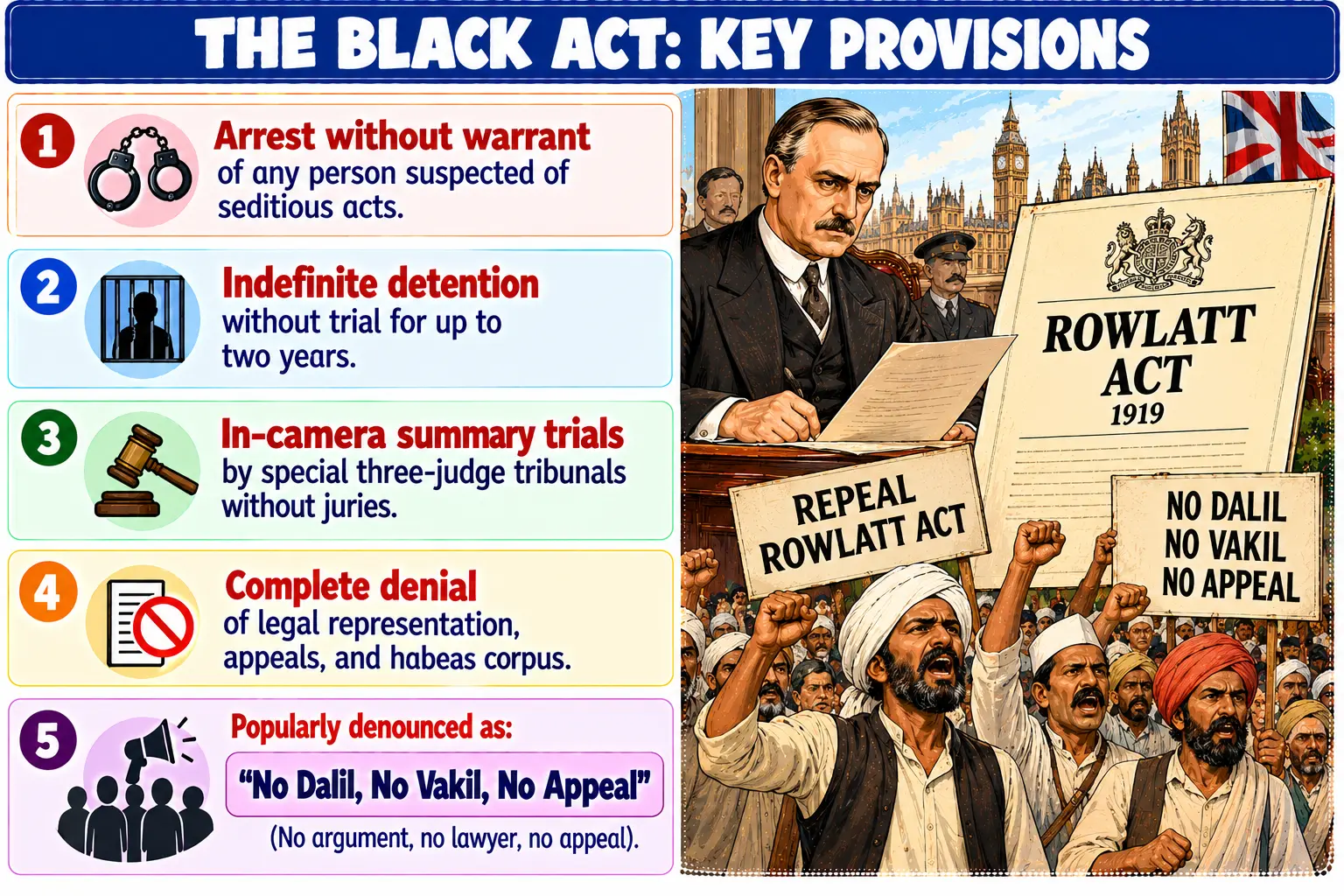 Figure 2: Authoritarian Provisions of the Anarchical and Revolutionary Crimes Act
- Arrest without warrant of any person suspected of seditious acts.
- Indefinite detention without trial for up to two years.
- In-camera summary trials by special three-judge tribunals without juries.
- Complete denial of legal representation, appeals, and habeas corpus.
- Popularly denounced as: “No Dalil, No Vakil, No Appeal” (No argument, no lawyer, no appeal).
- United Indian Opposition: Every non-official Indian member of the Imperial Legislative Council voted against the bill.
- Protest Resignations: Prominent leaders—including Muhammad Ali Jinnah, Madan Mohan Malaviya, and Mazhar-ul-Haq—resigned from the Legislative Council in protest against this “Black Act.” Jinnah wrote to Viceroy Lord Chelmsford: “A government that enacts such a law in peacetime forfeits its claim to be called a civilized government.”
C. The Rowlatt Satyagraha (April 1919)
Recognizing that constitutional petitions were useless against such tyranny, Gandhi organized the Satyagraha Sabha (February 1919) in Bombay, calling for a nationwide general strike (Hartal):
- The Modus Operandi: Gandhi called for nationwide fasting, prayer, work stoppages, and civil disobedience of selected laws on April 6, 1919.
- First All-India Mass Protest: The Rowlatt Satyagraha was Gandhi’s first pan-Indian mass movement, extending political mobilization beyond English-educated urban elites to shopkeepers, artisans, industrial laborers, and peasants.
- Intense Regional Clashes: While largely peaceful, colonial police firing triggered violent riots in Delhi, Bombay, Ahmedabad, and particularly in the Punjab province, where wartime forced recruitment and heavy taxation had already inflamed anti-British anger.
2. The Jallianwala Bagh Massacre and Its Aftermath (1919 CE)
A. The Tragedy at Amritsar (April 13, 1919)
Amritsar in Punjab became the tragic ground of colonial brutality following intense political mobilization:
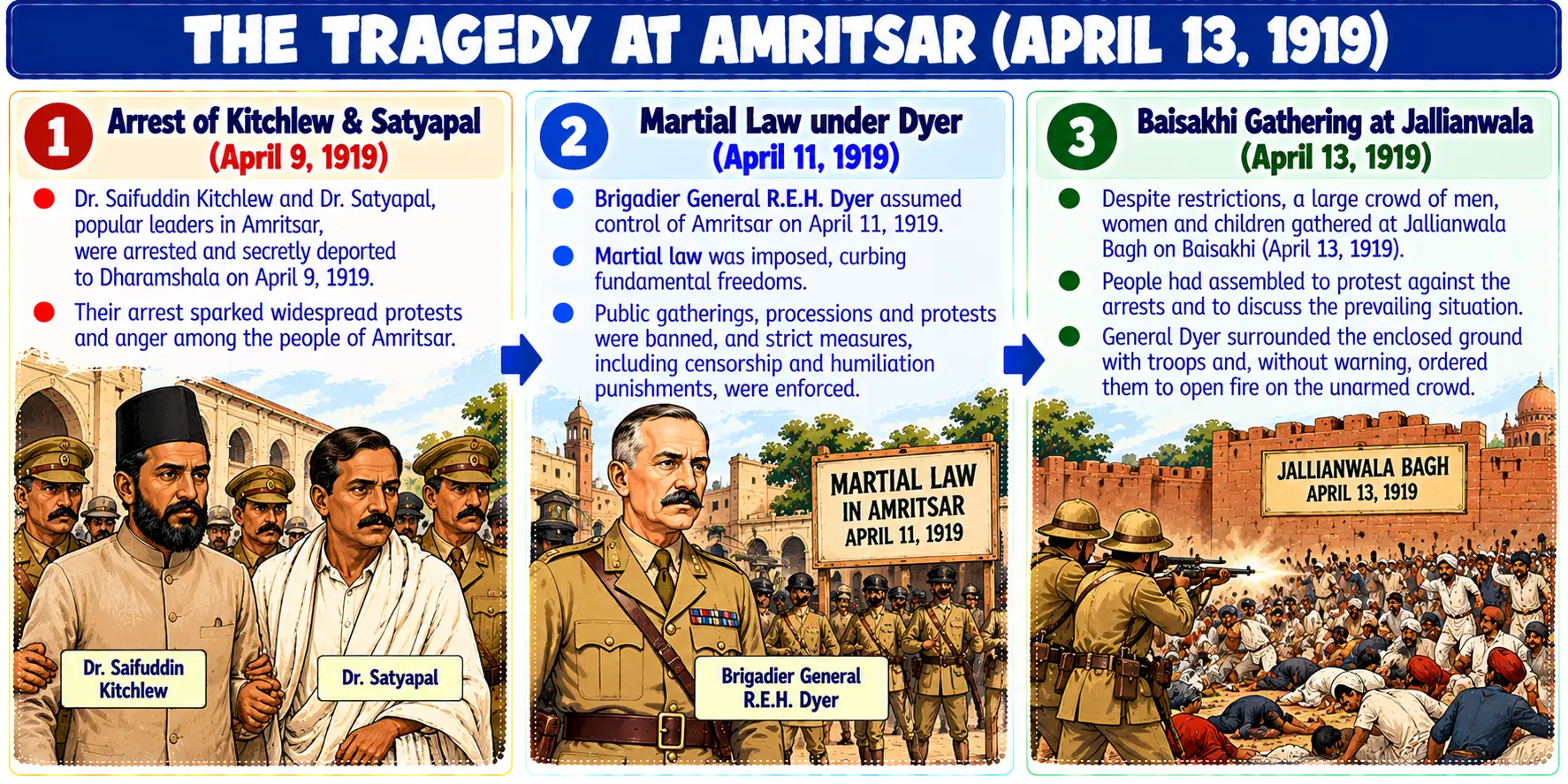 Figure 3: Sequence of Escalation Culminating in the Jallianwala Bagh Massacre
- Deportation of Local Leaders: On April 9, 1919, the Lieutenant-Governor of Punjab, Sir Michael O’Dwyer, ordered the arrest and deportation of two popular nationalist leaders of Amritsar—Dr. Saifuddin Kitchlew and Dr. Satyapal.
- Imposition of Martial Law: Protesting crowds were fired upon by troops near the railway crossing, provoking retaliatory arson of British banks and the assault of a British woman missionary (Marcella Sherwood). Command of Amritsar was handed over to Brigadier-General Reginald Edward Harry Dyer, who prohibited public assemblies and meetings.
- The Gathering on Baisakhi Day: On the afternoon of April 13, 1919 (Baisakhi festival), a peaceful crowd of over 20,000 men, women, and children gathered inside Jallianwala Bagh—an enclosed public garden surrounded by high walls with only a single narrow exit gate. Many were villagers who had come to Amritsar for the annual cattle fair and were completely unaware of Dyer’s proclamation banning public meetings.
- The Massacre: General Dyer blocked the only narrow exit with armored vehicles, positioned 90 troops on the raised banks, and—without issuing any warning or dispersal order—commanded his riflemen to open fire directly into the dense, trapped crowd.
- Firing continued uninterrupted for 10 to 15 minutes until ammunition was exhausted (1,650 rounds fired).
- Desperate attendees jumped to their deaths in the central well (Shahidi Khuh) to escape the bullets.
- Casualties: Official colonial figures claimed 379 dead and 1,200 wounded; the Indian National Congress inquiry calculated over 1,000 deaths and more than 1,500 wounded.
- Reign of Terror: Dyer followed the massacre with sadistic martial law reprisals, enforcing public whippings, forced salutes, and the infamous “Crawling Order” on the street where Marcella Sherwood had been attacked.
B. National Outrage and Official Inquiries
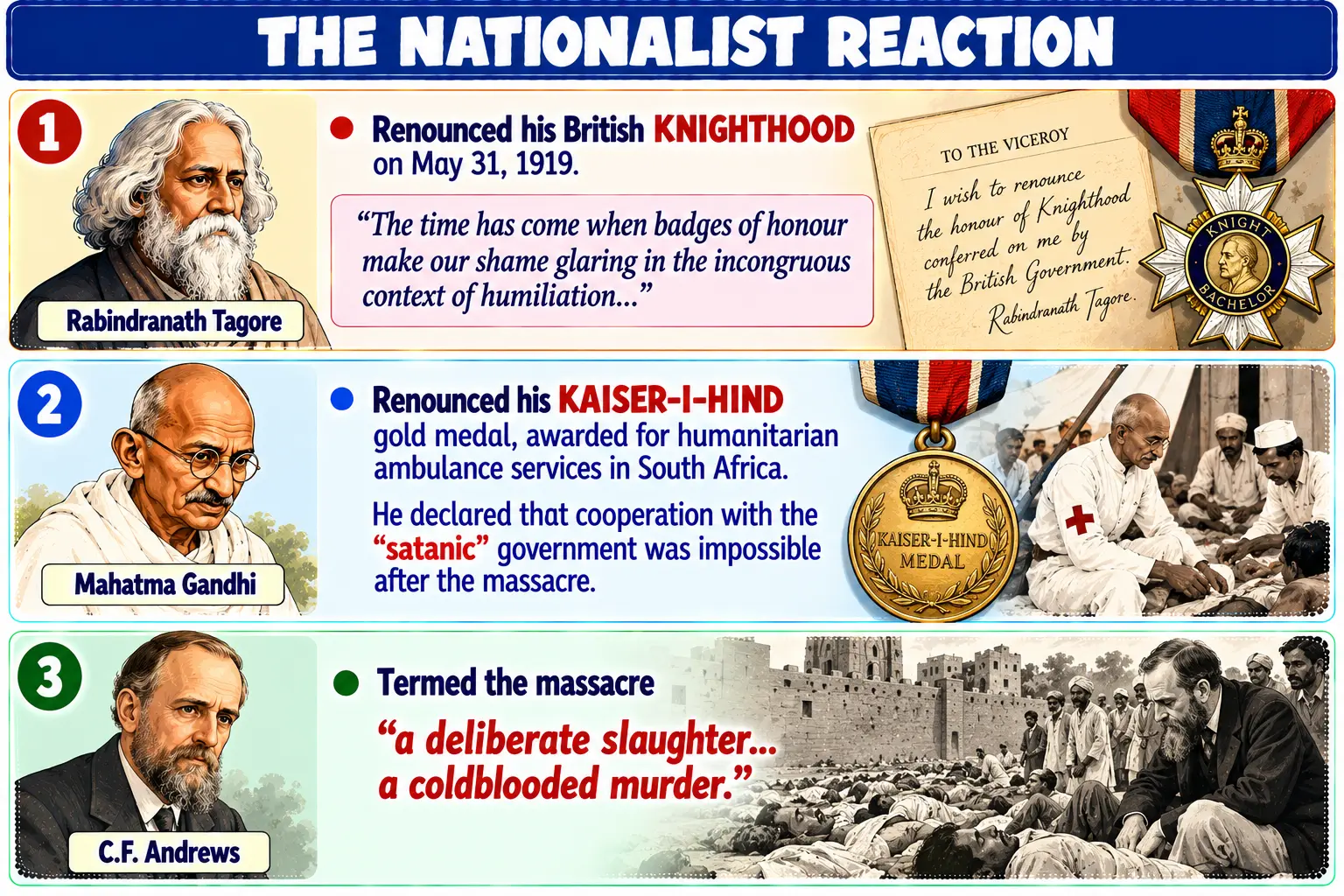 Figure 4: Renunciation of Honors and Moral Condemnation Across India
- Rabindranath Tagore renounced his British Knighthood on May 31, 1919, writing: “The time has come when badges of honour make our shame glaring in the incongruous context of humiliation…”
- Mahatma Gandhi renounced his Kaiser-i-Hind gold medal, awarded for humanitarian ambulance services in South Africa, declaring cooperation with the “satanic” government impossible.
- C.F. Andrews termed the massacre “a deliberate slaughter… a coldblooded murder.”
- The Hunter Committee (Disorders Inquiry Committee):
- Appointed by the British government in October 1919 under the chairmanship of Scottish judge Lord William Hunter, including three Indian members: Sir Chimanlal Harilal Setalvad, Pandit Jagat Narayan, and Sardar Sultan Ahmad Khan.
- Findings: While the Hunter Report gently censured Dyer for an “error of judgment” and exceeding reasonable force, it exonerated him of criminal guilt and praised Michael O’Dwyer’s declaration of martial law. Dyer was merely relieved of his command without demotion or legal trial.
- Imperialist Celebration of Dyer: In Britain, the House of Lords endorsed Dyer’s actions, and the Morning Post newspaper raised a public fund of £26,000, presenting him with a jeweled sword and hailing him as the “Saviour of the Punjab.”
- The Congress Inquiry Committee: The INC established its own inquiry committee comprising Madan Mohan Malaviya, M.K. Gandhi, C.R. Das, Abbas Tyabji, and M.R. Jayakar, which published a detailed exposé of the atrocities, demanding the immediate dismissal of colonial officers.
- The Long Arc of Retribution: On March 13, 1940, revolutionary Udham Singh (calling himself Ram Mohammad Singh Azad) assassinated former Punjab Lieutenant-Governor Sir Michael O’Dwyer at Caxton Hall in London, avenging the Jallianwala Bagh massacre.
3. The Khilafat Movement (1919 – 1924 CE)
A. Genesis and Grievances
The Khilafat Movement was an all-India pan-Islamic agitation organized by Indian Muslims to pressure the British Government into preserving the temporal and spiritual authority of the Ottoman Sultan as the supreme spiritual Caliph (Khalifa) of Islam:
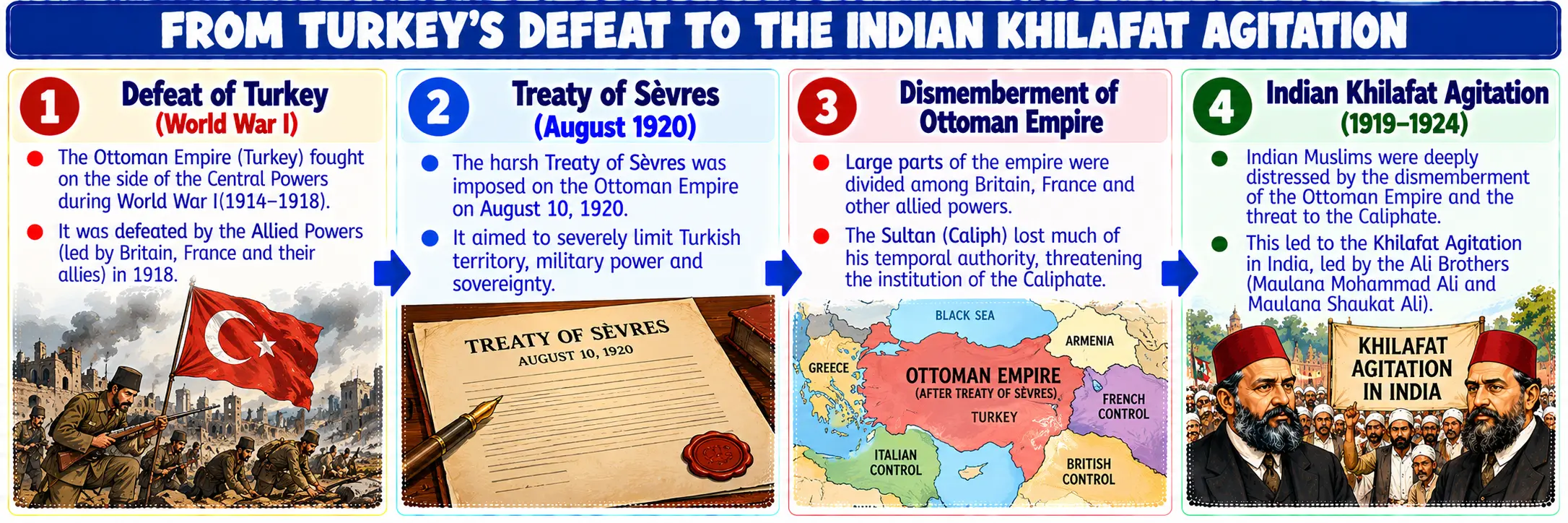 Figure 5: Geopolitical Transformation of the Ottoman Caliphate and Indian Protest
- Wartime British Promises: During World War I, British Prime Minister David Lloyd George had promised Indian Muslim soldiers that the integrity of the Ottoman Empire and Muslim holy shrines (Jazirat-ul-Arab: Mecca, Medina, Jerusalem) would be respected.
- Post-War Betrayal: The harsh Treaty of Sèvres (August 1920) partitioned Turkey, stripped the Caliph of his territories in Thrace and Smyrna, and placed the Muslim holy places under non-Muslim European mandates.
- The Indian Response: In early 1919, an All-India Khilafat Committee was formed in Bombay by young progressive leaders:
- The Ali Brothers: Maulana Mohammad Ali and Maulana Shaukat Ali.
- Maulana Abul Kalam Azad (editor of Al-Hilal and author of the ideological tract Masala-i-Khilafat).
- Hakim Ajmal Khan, Hasrat Mohani, and Dr. M.A. Ansari.
B. Gandhi and the Congress Alliance
Gandhi recognized in the Khilafat grievance an unprecedented historical opportunity to unite Hindus and Muslims on a shared anti-colonial platform:
- All-India Khilafat Conference (Delhi, November 1919): Gandhi was elected President of the conference. He proposed non-violent non-cooperation with the British government if Muslim demands regarding Turkey and the Punjab wrongs were not redressed.
- Historic Confluence: In June 1920, the Central Khilafat Committee met at Allahabad and formally adopted Gandhi’s program of non-cooperation, requesting him to lead the movement.
- The Secular Dilemma: Leaders like Muhammad Ali Jinnah opposed Gandhi’s integration of religious pan-Islamic grievances with secular national politics, cautioning that it would encourage religious fanaticism. However, Gandhi asserted that supporting Muslims on an issue of deep moral anguish was the true foundation of enduring inter-communal unity (“an opportunity of uniting Hindus and Mohammedans which would not arise again in a hundred years”).
4. The Non-Cooperation Movement (1920 – 1922 CE)
The Non-Cooperation Movement (NCM) was the first mass-based, multi-class, all-India satyagraha launched under Mahatma Gandhi’s supreme leadership, anchored in three central objectives: redressing the Punjab Wrongs, resolving the Khilafat Grievance, and securing Swaraj.
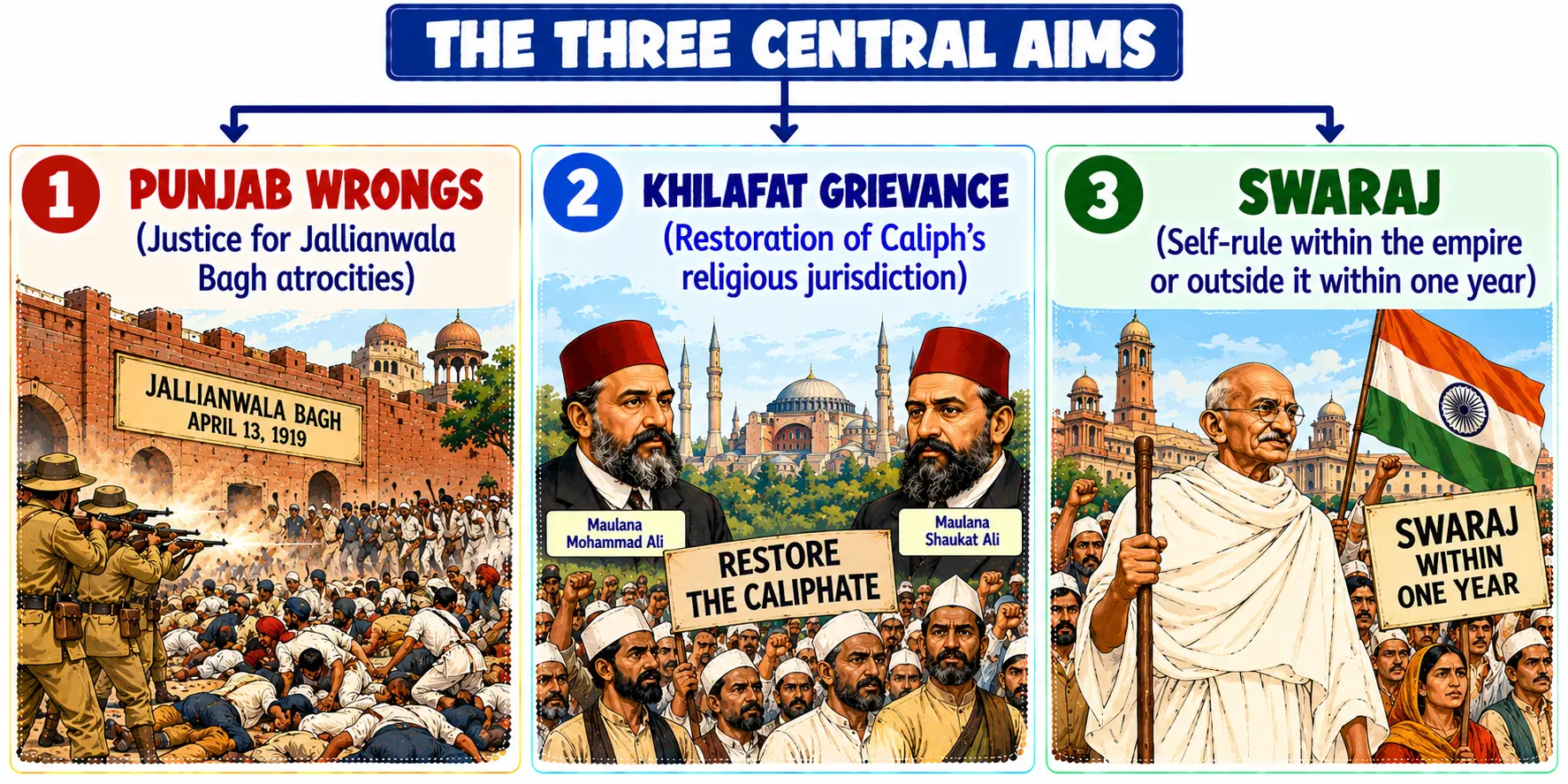 Figure 6: Core National Demands Anchoring the Non-Cooperation Movement
A. Ratification and Organizational Restructuring
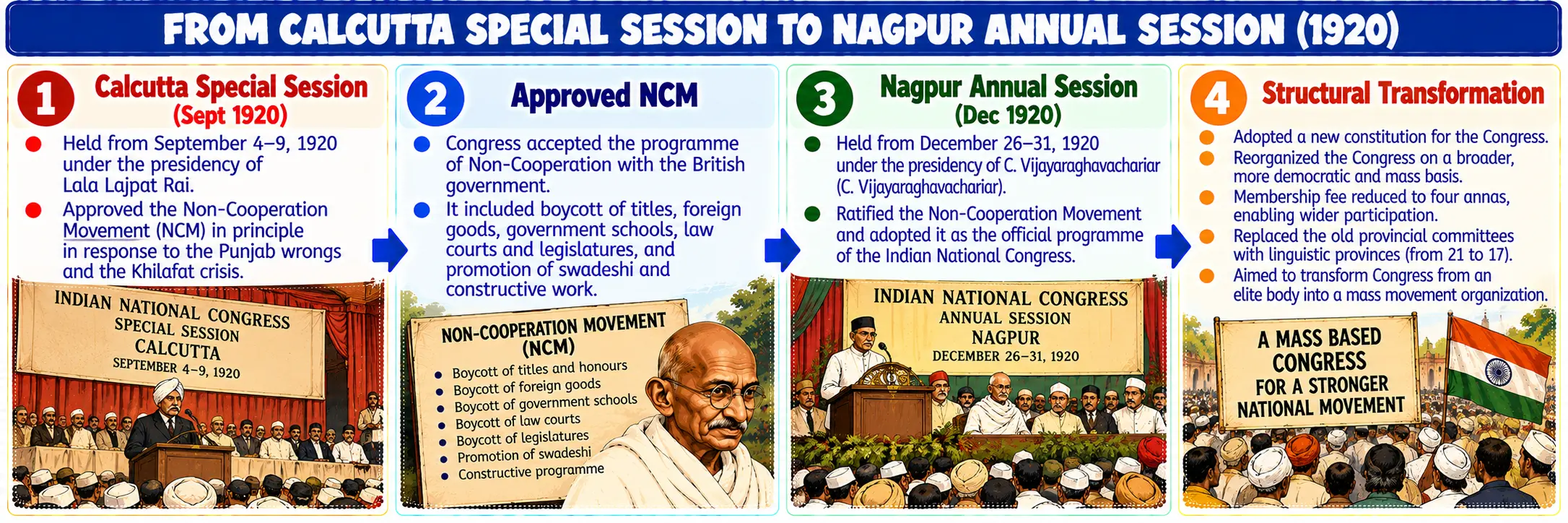 Figure 7: Organizational Evolution of Congress from Deliberative Club to Mass Party
- Calcutta Special Session (September 1920): Presided over by Lala Lajpat Rai. Despite initial reservations from C.R. Das, Bipin Chandra Pal, and Annie Besant over boycotting the new legislative councils, Gandhi’s resolution on Non-Cooperation was formally passed.
- Nagpur Annual Session (December 1920): Presided over by C. Vijayaraghavachariar. Chittaranjan Das (C.R. Das) moved the main resolution for Non-Cooperation, committing his immense personal wealth and prestige to the cause.
- Constitutional Overhaul of the Congress: The Congress transformed from an elite annual deliberative assembly into a dynamic, round-the-year mass political organization:
- Redefining the Goal: The goal of the INC was changed from self-government through constitutional means to the attainment of “Swaraj through peaceful and legitimate means.”
- Working Committee: Established a 15-member Congress Working Committee (CWC) to direct daily national operations.
- Linguistic Reorganization: Reconstituted provincial Congress committees on a linguistic basis (PCCs), opening grassroots mobilization in the vernacular.
- Universal Access: Lowered membership fees to a nominal four annas (25 paise) per year, bringing millions of poor peasants, industrial workers, and urban youth into active membership.
- Departures: Disillusioned by this radical mass turn, older constitutionalists—including Muhammad Ali Jinnah, Annie Besant, Bipin Chandra Pal, and G.S. Khaparde—severed their ties with the Congress.
B. Programs of the Movement: Negative Boycott and Positive Reconstruction
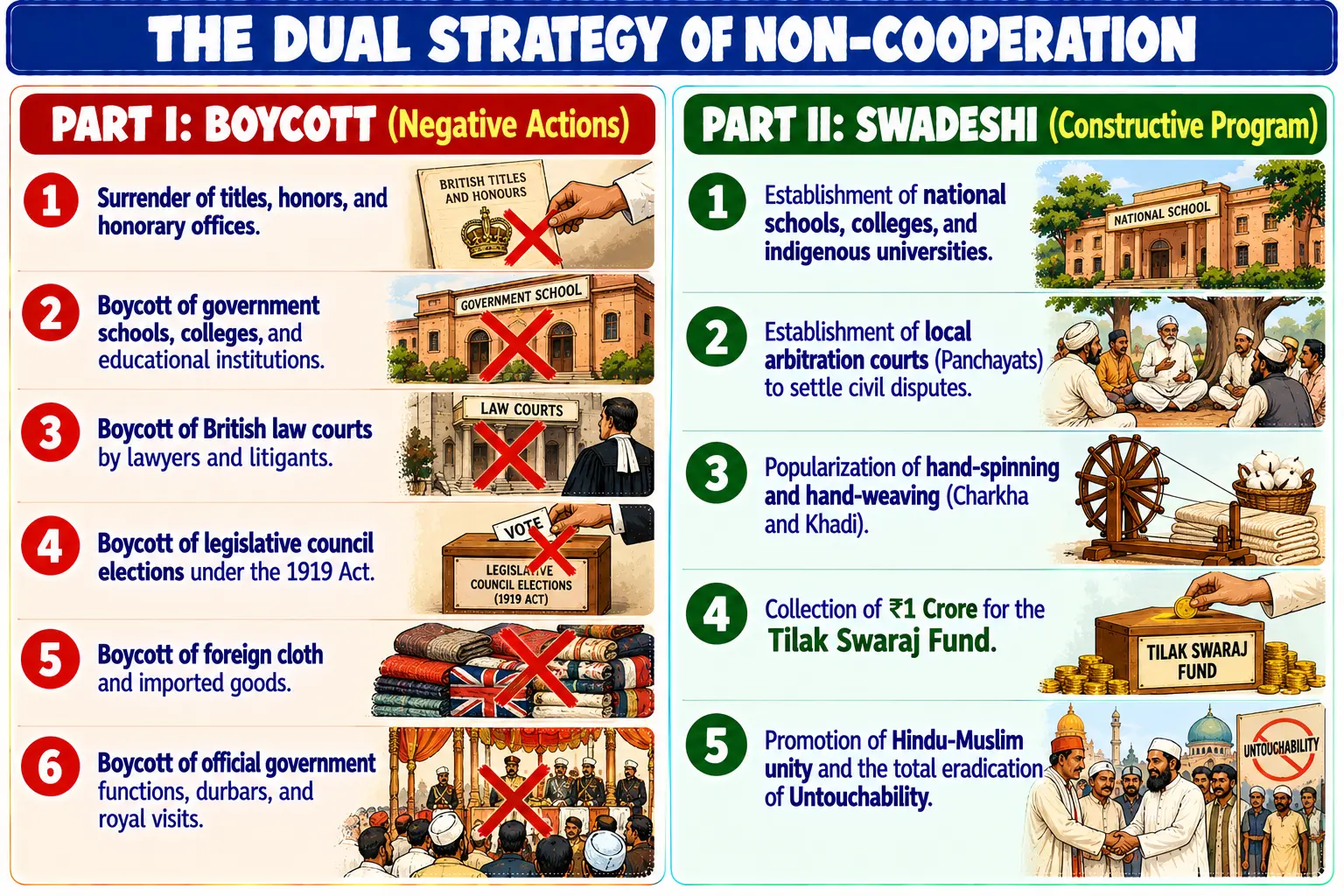 Figure 8: Two-Pronged Strategy: Resistance Through Boycott and Indigenous Reconstruction
Part I: Boycott (Negative Actions)
- Surrender of titles, honors, and honorary offices.
- Boycott of government schools, colleges, and educational institutions.
- Boycott of British law courts by lawyers and litigants.
- Boycott of legislative council elections under the 1919 Act.
- Boycott of foreign cloth and imported goods.
- Boycott of official government functions, durbars, and royal visits.
Part II: Swadeshi (Constructive Program)
- Establishment of national schools, colleges, and indigenous universities.
- Establishment of local arbitration courts (Panchayats) to settle civil disputes.
- Popularization of hand-spinning and hand-weaving (Charkha and Khadi).
- Collection of ₹1 Crore for the Tilak Swaraj Fund.
- Promotion of Hindu-Muslim unity and the total eradication of Untouchability.
C. Nationwide Implementation and Popular Response
- Educational Boycott: Thousands of students abandoned government-aided schools and universities. Eminent scholars resigned imperial professorships to staff newly founded National Institutions: Jamia Millia Islamia (founded at Aligarh, later shifted to Delhi), Kashi Vidyapeeth (Varanasi), Gujarat Vidyapith (Ahmedabad), Bihar Vidyapeeth (Patna), and National College of Bengal (Calcutta, with Subhas Chandra Bose as Principal).
- Legal Boycott: Leading legal luminaries surrendered lucrative practices: Motilal Nehru, C.R. Das, C. Rajagopalachari, Sardar Vallabhbhai Patel, Dr. Rajendra Prasad, and Asaf Ali.
- Boycott of Foreign Cloth: Public bonfires of imported textiles illuminated city crossroads. Import of foreign cotton cloth plunged dramatically from ₹102 crore in 1920–21 to ₹57 crore in 1921–22. Picketing of liquor and toddy shops depleted colonial excise revenues.
- The Tilak Swaraj Fund: Following the death of Bal Gangadhar Tilak on August 1, 1920, a national memorial fund was launched. Within six months, it exceeded its ambitious target of ₹1 Crore (10 million rupees), financing hundreds of thousands of spinning wheels (charkhas) across rural households.
- Boycott of the Prince of Wales Visit (November 1921): When the Prince of Wales (future King Edward VIII) landed in Bombay on November 17, 1921, he was greeted by empty streets, closed shutters, and nationwide hartals.
D. Regional Manifestations of the Movement
| Region | Regional Movement | Key Leaders | Key Dynamics |
|---|---|---|---|
| United Provinces (UP) | Kisan Sabha & Eka Movement | Baba Ramchandra, Madari Pasi | Peasant resistance against oppressive rent hikes (Bedakhli) and illegal cesses (Nazrana) imposed by Awadh Taluqdars. |
| Malabar (Kerala) | Moplah (Mappila) Rebellion (1921) | Ali Musaliyar, Variankunnath Kunjahammed Haji | Radical Muslim tenant peasants rose against oppressive upper-caste Hindu landlords (Jenmis) and British police, tragically turning communal in its later phase. |
| Punjab | Akali Movement (Gurdwara Reform) | Kartar Singh Jhabbar, Master Tara Singh | Non-violent satyagraha to liberate historic Sikh shrines from corrupt, British-backed hereditary priests (Mahants), leading to the golden keys agitation and the SGPC. |
| Andhra (Guntur / Rampa) | Forest Satyagraha & Tribal Revolt | Alluri Sitarama Raju | Defied colonial forest laws banning grazing; erupted into guerrilla warfare in the Rampa hill tracts against British police. |
| Assam | Tea Garden Strikes | J.M. Sengupta | Laborers at Chargola tea estates walked out under the slogan “Gandhi Maharaj Ki Jai,” accompanied by a massive railway and steamer strike in Bengal-Assam. |
| Midnapore (Bengal) | No-Tax Campaign | Birendranath Sasmal | Peasant refusal to pay Union Board taxes, paralyzing local colonial civil administration. |
5. The Climax, Withdrawal, and Historical Evaluation
A. The Chauri Chaura Incident (February 4, 1922)
By early 1922, popular anti-colonial defiance had reached a fever pitch. Gandhi notified Viceroy Lord Reading on February 1, 1922, that he would launch mass civil disobedience—including complete non-payment of taxes—from Bardoli (Gujarat) if political prisoners were not released within seven days.
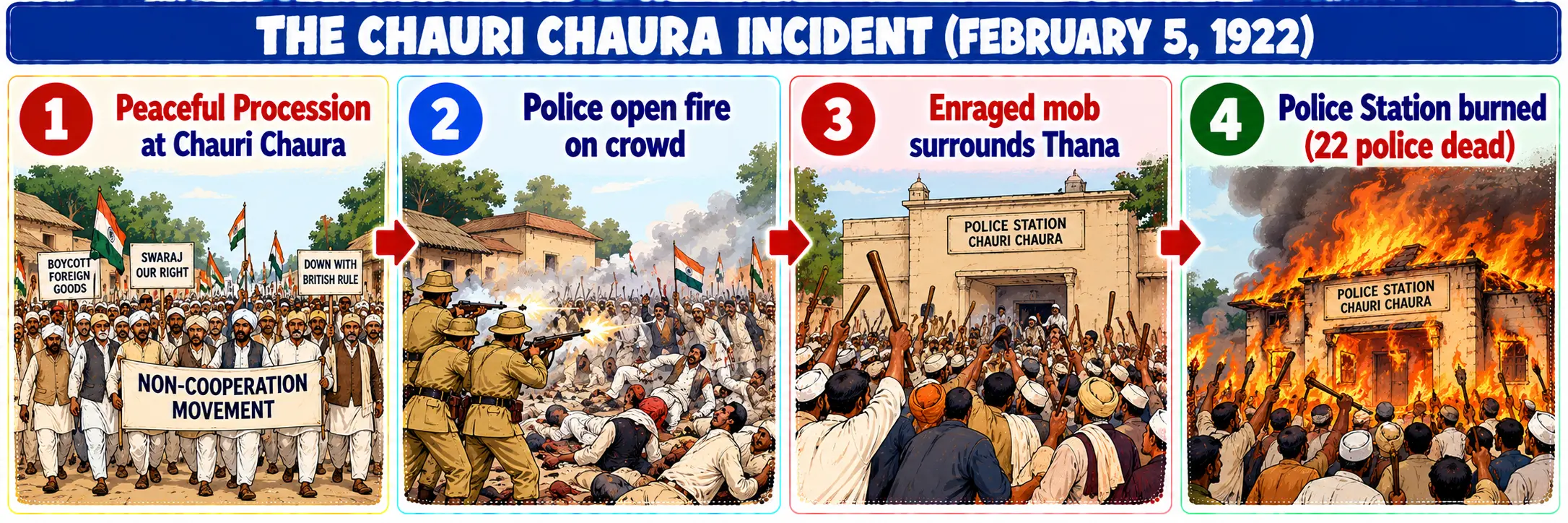 Figure 9: The Tragic Turn at Chauri Chaura that Halted the Mass Movement
- The Flashpoint: On February 4, 1922, a peaceful procession of Congress and Khilafat volunteers gathered at the village bazaar of Chauri Chaura in Gorakhpur district, United Provinces (UP), to picket liquor shops.
- The Violence: The colonial police detachment opened fire on the unarmed crowd until their ammunition ran out. Enraged by the firing, the crowd attacked the police outpost (Thana), locked the retreating policemen inside, and set the building on fire.
- The Toll: Twenty-two colonial policemen (and one sub-inspector) were burned alive inside the station.
B. The Bardoli Resolution and Suspension
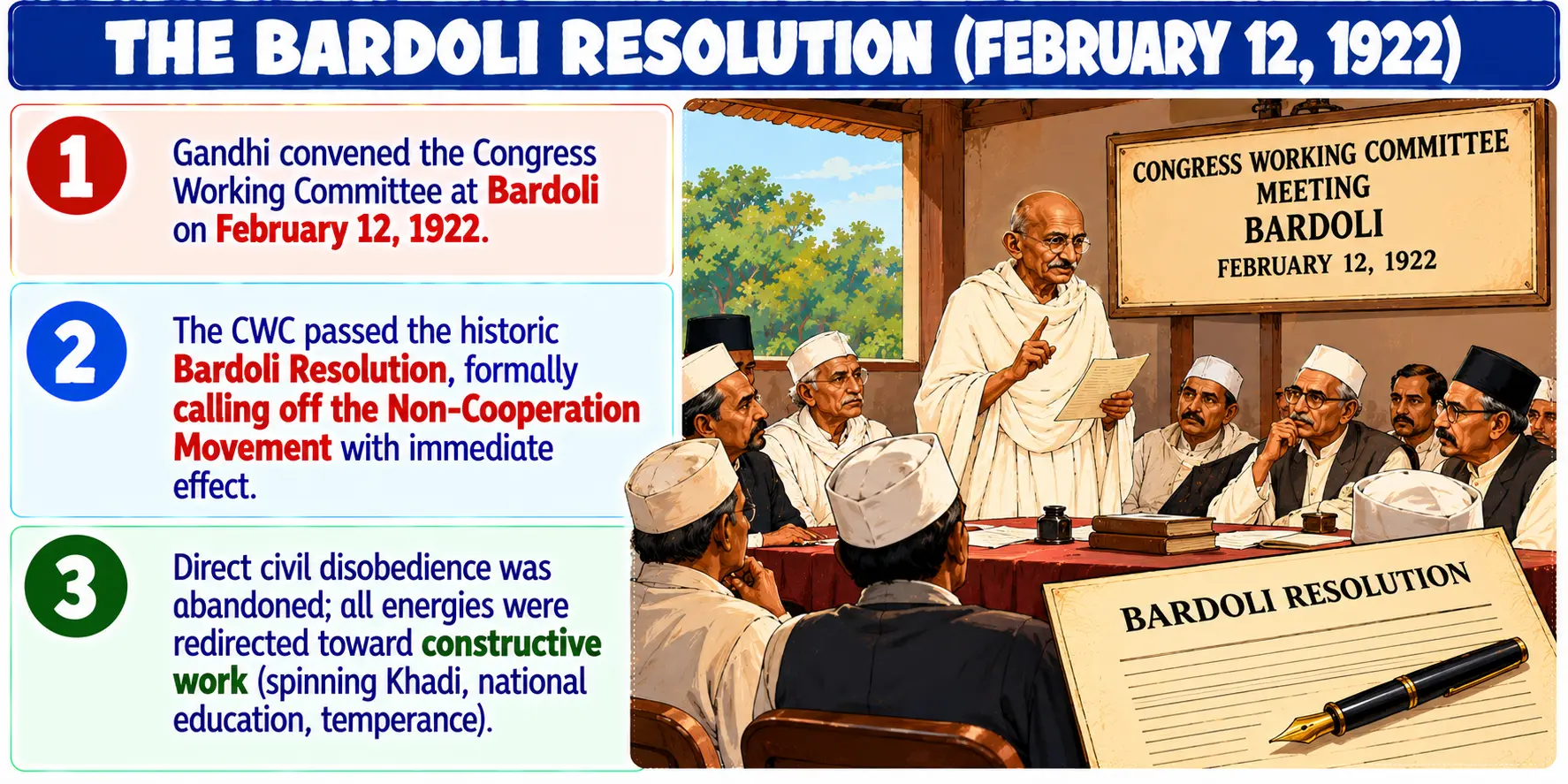 Figure 10: The Bardoli Working Committee Decision Suspending Civil Disobedience
Horrified by the news that his non-violent satyagraha had descended into mob violence, Gandhi convened the Congress Working Committee at Bardoli on February 12, 1922, passing the historic Bardoli Resolution, which formally called off the Non-Cooperation Movement with immediate effect.
- National Outrage over Withdrawal: The abrupt withdrawal of a surging mass movement stunned the national leadership:
- Subhas Chandra Bose wrote: “To sound the order of retreat just when public enthusiasm was reaching the boiling point was nothing short of a national calamity.”
- Jawaharlal Nehru lamented: “We were angry when we learned of this stoppage… Why should a village in UP affect our struggle in Kashmir or Madras?”
- C.R. Das and Motilal Nehru vehemently questioned the wisdom of punishing the entire country for an isolated local act of violence in a single village.
- Gandhi’s Moral Stance: Gandhi stood firm, insisting that truth and non-violence (Ahimsa) were non-negotiable moral absolutes: “I would rather be torn to pieces than disown my principles… The country is not yet disciplined enough to conduct non-violent mass civil disobedience.”
- Arrest and Trial of Gandhi: On March 10, 1922, Gandhi was arrested at Sabarmati Ashram. Presided over by British judge C.N. Broomfield in Ahmedabad on March 18, 1922, Gandhi pleaded guilty to sedition under Section 124A of the IPC, delivering a legendary court statement inviting the highest penalty for his conviction. Broomfield sentenced him to six years of simple imprisonment (released early in February 1924 on medical grounds).
C. Dissolution of the Khilafat Issue
- In November 1922, the progressive Turkish nationalist military hero Mustafa Kemal Atatürk overthrew Sultan Mehmed VI and secularized the Turkish state.
- In March 1924, the Turkish Grand National Assembly formally abolished the Caliphate, exiled the royal family, and declared Turkey a secular republic. With the Caliphate dissolved from within by the Turkish people themselves, the Indian Khilafat movement dissolved.
6. Quick Examination Facts
| Topic / Milestone | Key Exam Fact |
|---|---|
| Official Name of Rowlatt Act | Anarchical and Revolutionary Crimes Act of 1919 |
| Popular Slogan against Rowlatt Act | “No Dalil, No Vakil, No Appeal” |
| Leaders who resigned over Rowlatt Act | Muhammad Ali Jinnah, Madan Mohan Malaviya, Mazhar-ul-Haq |
| Date of Jallianwala Bagh Massacre | April 13, 1919 (Baisakhi festival) at Amritsar |
| British Officer responsible for Massacre | Brigadier-General R.E.H. Dyer |
| Lieutenant-Governor of Punjab in 1919 | Sir Michael O’Dwyer (Assassinated in 1940 by Udham Singh) |
| Arrested leaders who sparked Amritsar protests | Dr. Saifuddin Kitchlew and Dr. Satyapal |
| Leader who renounced Knighthood | Rabindranath Tagore (May 31, 1919) |
| Leader who renounced Kaiser-i-Hind Medal | Mahatma Gandhi |
| Official British Inquiry Commission | Hunter Committee (Disorders Inquiry Committee, 1919) |
| Indian members of Hunter Committee | Sir Chimanlal Setalvad, Pandit Jagat Narayan, Sultan Ahmad Khan |
| Founders of All-India Khilafat Committee | Ali Brothers (Shaukat Ali & Mohammad Ali), Maulana Azad |
| President of All-India Khilafat Conference (1919) | Mahatma Gandhi (Delhi, November 1919) |
| Special Congress Session passing NCM | Calcutta Session (Sept 1920); President: Lala Lajpat Rai |
| Session ratifying NCM & changing Congress Constitution | Nagpur Session (Dec 1920); President: C. Vijayaraghavachariar |
| Mover of NCM Resolution at Nagpur | Chittaranjan Das (C.R. Das) |
| Annual membership fee set at Nagpur | Four Annas (25 paise) per year |
| National Memorial Fund launched in 1920 | Tilak Swaraj Fund (Target: ₹1 Crore; reached in 6 months) |
| Date of Chauri Chaura Incident | February 4, 1922 (Gorakhpur, UP; 22 policemen killed) |
| Resolution formally calling off NCM | Bardoli Resolution (February 12, 1922) |
| British Judge who sentenced Gandhi in 1922 | C.N. Broomfield (Sentenced to 6 years imprisonment) |
7. Conclusion
The Non-Cooperation Movement marked an irreversible turning point in the modern history of India. While it failed to achieve its immediate political promise of “Swaraj within one year,” its structural and psychological impact transformed the anti-colonial struggle. It shattered the myth of European invincibility and permanently eliminated the psychological fear of colonial authority, jail, and lathi-charges from the minds of ordinary Indians. Furthermore, it fundamentally transformed the Indian National Congress from an elite, urban debating forum into a dynamic, multi-class mass movement rooted in millions of rural villages. The organizational networks, constructive traditions, and political consciousness forged between 1919 and 1922 paved the way for the Civil Disobedience and Quit India campaigns of the decades that followed.
Rowlatt Act, Jallianwala Bagh & Non-Cooperation Movement (1919 – 1922 CE)
Practice Quiz • 15 MCQs