Swaraj Party, Revolutionary Nationalism (Phase II), Simon Commission, and Purna Swaraj (1922 – 1929 CE)
Within the Indian National Congress, a bitter debate erupted between those who favored entering colonial legislative councils to wreck them from within (Swarajists / Pro-Changers) and those who advocated exclusive devotion to Gandhi’s rural constructive program (No-Changers). Concurrently, disillusioned youth turned to revolutionary socialism under the banner of the Hindustan Socialist Republican Association (HSRA). By 1927, the British appointment of the all-white Simon Commission revived national mobilization, culminating in the Nehru Report (1928) and the historic Lahore Congress Session of 1929, where the declaration of Purna Swaraj (Complete Independence) charted the path toward the Civil Disobedience Movement.
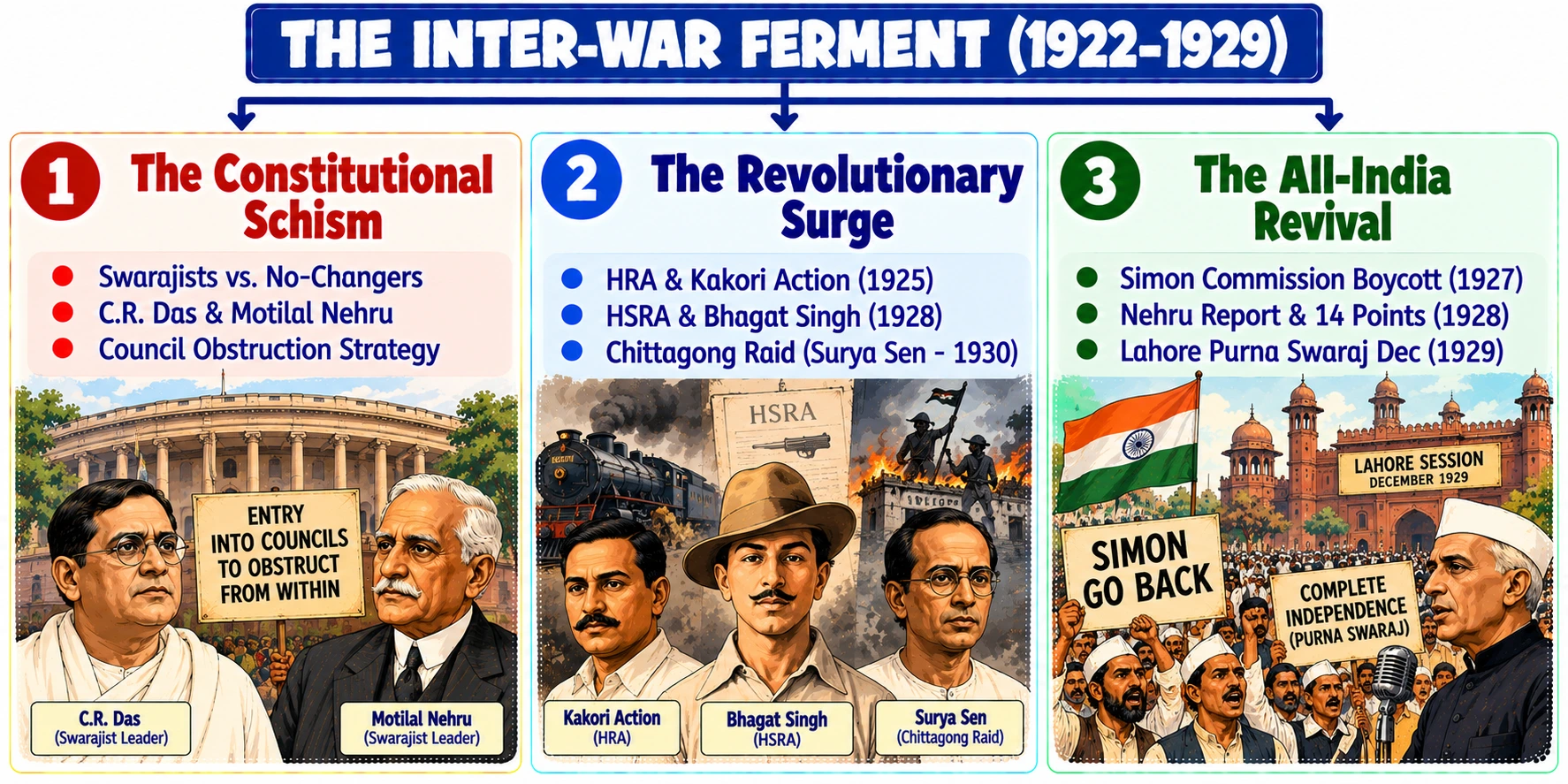 Figure 1: Strategic Pivots of the Inter-War Nationalist Struggle (1922–1929)
- The Constitutional Schism: Swarajists (Pro-Changers) entering legislative councils versus orthodox No-Changers focusing on rural constructive work.
- The Revolutionary Surge: Ideological transformation from individual heroism to socialist republic ideals under HRA, HSRA, and the Chittagong Armoury Raid.
- The All-India Revival: Mass boycott of the all-white Simon Commission, drafting of the Nehru Report, and the historic 1929 Lahore Purna Swaraj declaration.
1. The Post-NCM Void: Swarajists vs. No-Changers (1922 – 1926 CE)
Following the suspension of mass civil disobedience, Congress leadership divided sharply over immediate political strategy:
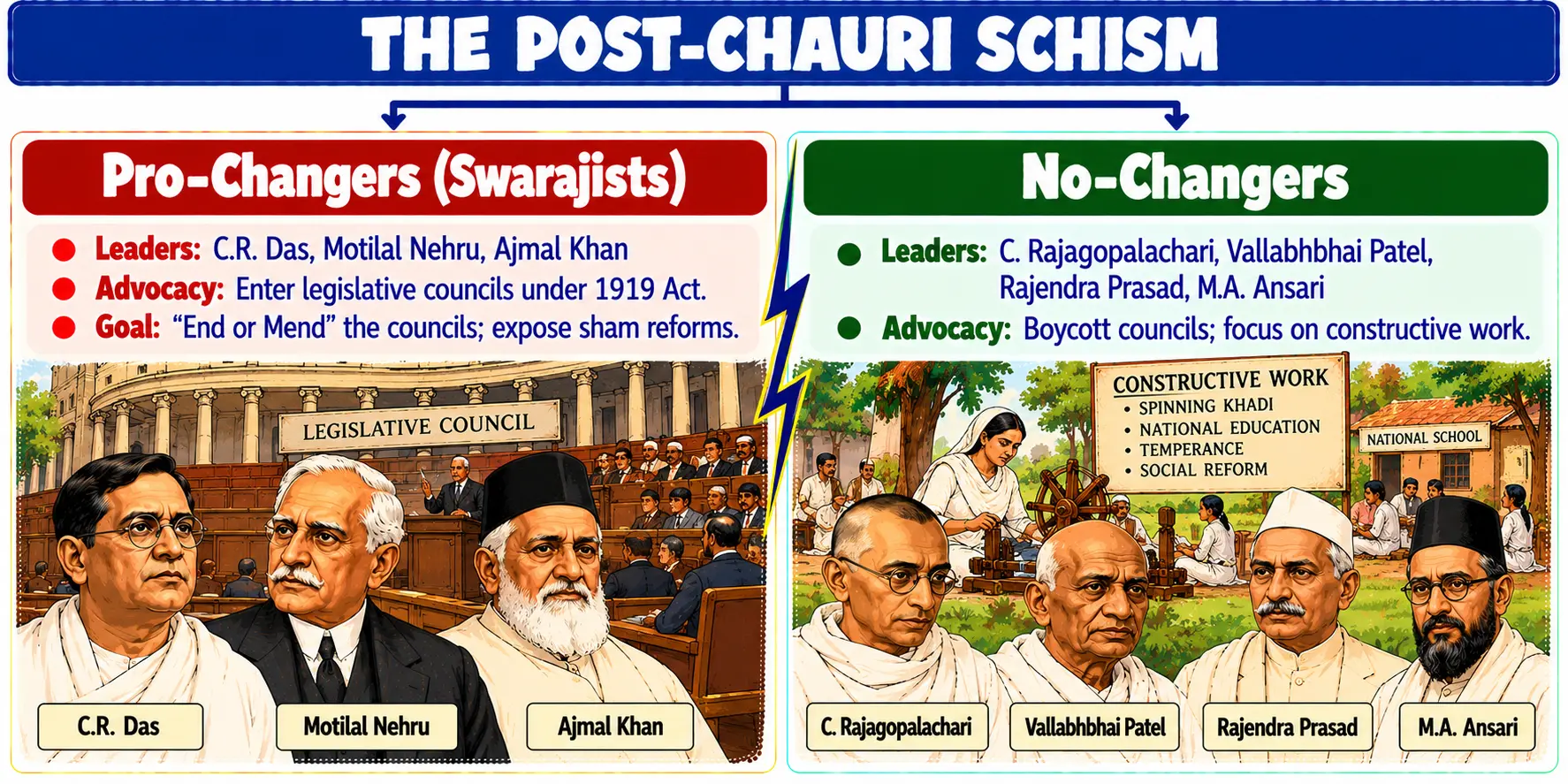 Figure 2: Ideological Divergence Between Swarajists and No-Changers
- Pro-Changers (Swarajists): Led by C.R. Das, Motilal Nehru, and Hakim Ajmal Khan. Advocated entering legislative councils established under the Government of India Act 1919 to practice “uniform, consistent, and continuous obstruction” to end or mend the councils from within.
- No-Changers: Led by C. Rajagopalachari, Vallabhbhai Patel, Dr. Rajendra Prasad, and Dr. M.A. Ansari. Advocated boycotting councils and dedicating all national energies to Gandhi’s constructive program (Khadi, national schools, temperance, and removal of untouchability).
A. The Gaya Congress (1922 CE) and Formation of the Swaraj Party
- The Confrontation at Gaya: At the December 1922 Gaya session, Congress President Chittaranjan Das (C.R. Das) and Motilal Nehru moved a resolution advocating council entry. The proposal was defeated by the orthodox Gandhian No-Changers under C. Rajagopalachari. C.R. Das subsequently resigned the Congress presidency.
- Birth of the Swaraj Party: On January 1, 1923, C.R. Das (President) and Motilal Nehru (Secretary) announced the formation of the Congress-Khilafat Swarajya Party (popularly known as the Swaraj Party).
- Averting Another Surat Split: In September 1923, a special session at Delhi presided over by Maulana Abul Kalam Azad permitted Congressmen to contest the upcoming November 1923 elections while preserving organizational unity.
- The Gandhi-Das Pact (1924 CE): Released from jail in February 1924 on health grounds, Gandhi signed a joint pact with Das and Nehru in November 1924, officially recognizing the Swarajists as an integral legislative wing of the Congress.
B. Achievements and Decline of the Swarajists
- Electoral Performance of 1923: In the November 1923 elections, the Swaraj Party won 42 out of 101 elected seats in the Central Legislative Assembly and secured majorities in the Central Provinces and Bengal.
- Key Parliamentary Victories:
- Formed tactical coalitions with independent members (including Jinnah’s Independents) to repeatedly defeat imperial budgets and reject executive ordinances.
- Forced the government to appoint the Muddiman Committee (1924) to investigate the operational defects of the Dyarchy system under the 1919 Act.
- Achieved a historic parliamentary triumph in August 1925 when Swarajist leader Vithalbhai Patel was elected as the first Indian President (Speaker) of the Central Legislative Assembly.
- Decline of the Party: The death of C.R. Das in June 1925 deprived the party of its primary unifying leader. Subsequently, a right-wing faction called the Responsivists (M.R. Jayakar, N.C. Kelkar, B.S. Moonje, and Lala Lajpat Rai) split off to cooperate with the government and accept ministerial offices. The Swarajists suffered major setbacks in the 1926 elections amid rising communal friction.
2. Second Phase of Revolutionary Nationalism (1924 – 1934 CE)
The abrupt withdrawal of Non-Cooperation left younger militants disillusioned with Gandhian non-violence. Influenced by the 1917 Russian Bolshevik Revolution and socialist theory, revolutionaries shifted focus from individual assassinations toward organized mass insurrection and scientific socialism.
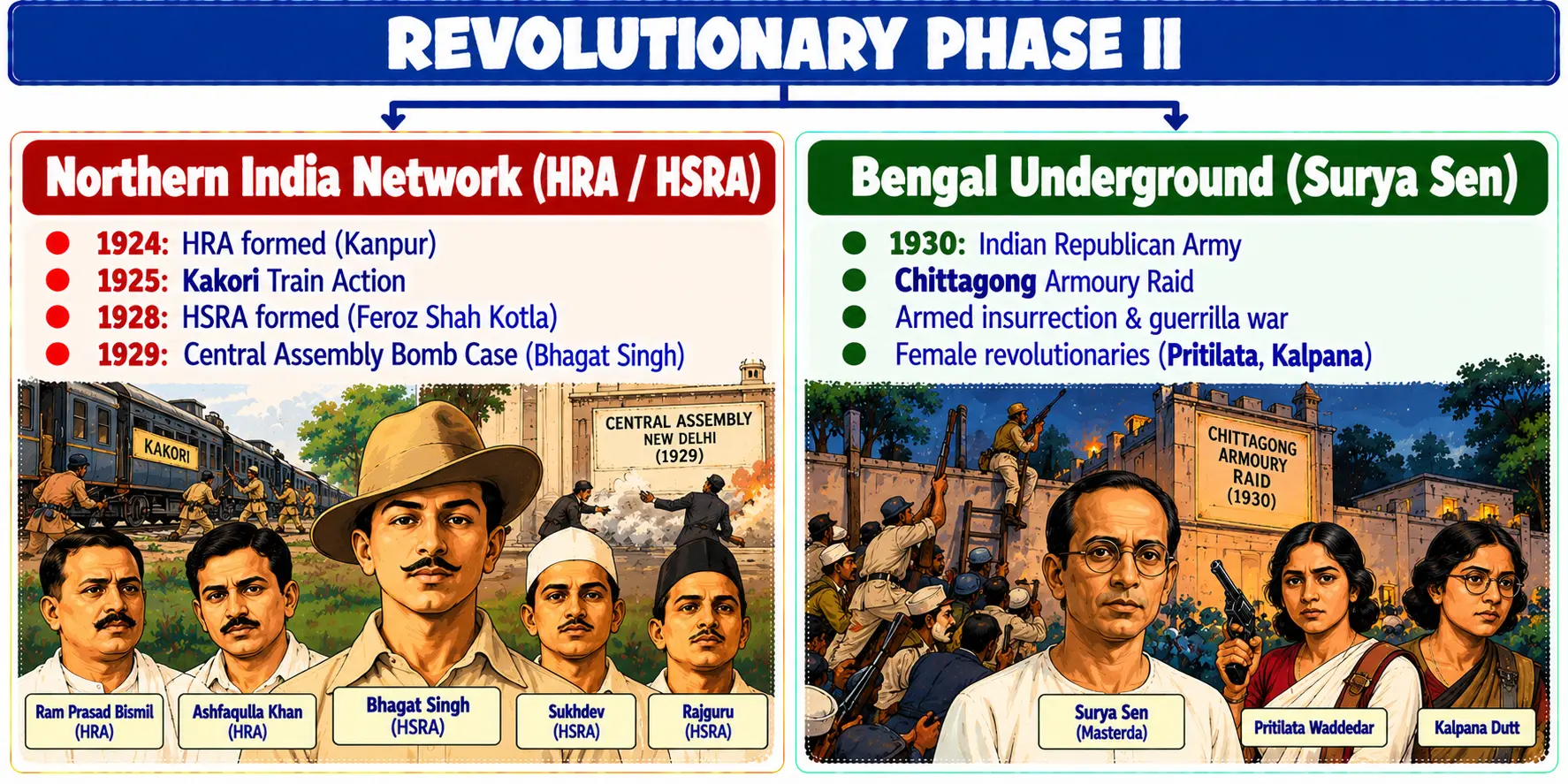 Figure 3: Key Networks and Operational Epicenters of Revolutionary Phase II
A. Hindustan Republican Association (HRA) and Kakori (1924 – 1925 CE)
- Founding of HRA (October 1924): Established at Kanpur by Sachindra Nath Sanyal, Ram Prasad Bismil, and Jogesh Chandra Chatterjee. Its manifesto, The Revolutionary (1925), proposed establishing a Federal Republic of the United States of India through armed revolution based on universal adult franchise.
- The Kakori Train Action (August 9, 1925):
- HRA revolutionaries—led by Ram Prasad Bismil, Ashfaqullah Khan, Chandrashekhar Azad, and Rajendra Lahiri—intercepted the 8-Down passenger train at Kakori near Lucknow to expropriate colonial treasury funds for arms procurement.
- In the subsequent Kakori Conspiracy Case, four leaders—Ram Prasad Bismil, Ashfaqullah Khan, Roshan Singh, and Rajendra Lahiri—were sentenced to death and hanged in December 1927. Chandrashekhar Azad evaded capture.
B. Hindustan Socialist Republican Association (HSRA) & Bhagat Singh
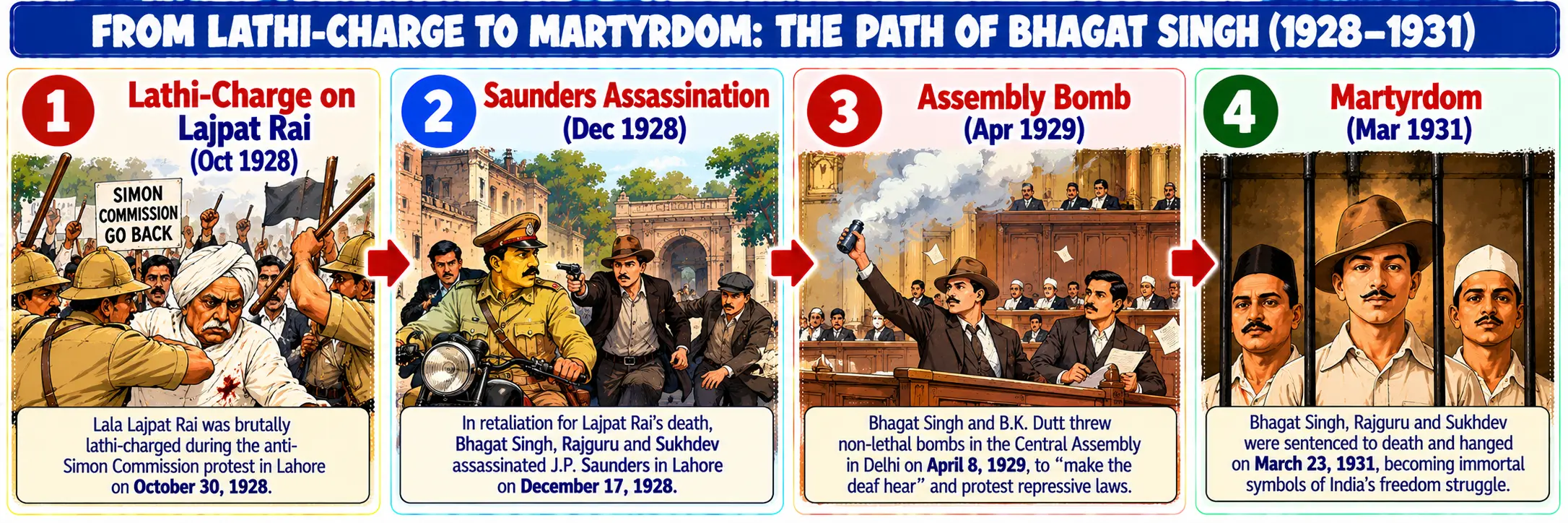 Figure 4: Chronological Trajectory of Bhagat Singh and the HSRA (1928–1931)
- Reorganization at Delhi (September 1928): Under Chandrashekhar Azad, Bhagat Singh, Sukhdev Thapar, and Shivaram Rajguru, the HRA was reorganized at Feroz Shah Kotla, adopting socialism as its official goal and changing its name to the Hindustan Socialist Republican Association (HSRA).
- Assassination of Saunders (December 17, 1928): Following the death of Lala Lajpat Rai from injuries sustained in an anti-Simon Commission police lathi-charge in Lahore, Bhagat Singh, Rajguru, and Azad targeted Superintendent James A. Scott. Mistaking Assistant Superintendent John P. Saunders for Scott, they shot him dead outside the police headquarters in Lahore.
- Central Assembly Bombing (April 8, 1929): To protest against the repressive Public Safety Bill and the Trade Disputes Bill, Bhagat Singh and Batukeshwar Dutt threw two harmless smoke bombs and revolutionary leaflets into the empty corridors of the Central Legislative Assembly in Delhi, courting arrest while shouting “Inquilab Zindabad!” and distributing leaflets stating: “It takes a loud voice to make the deaf hear.”
- Lahore Jail Hunger Strike: Imprisoned HSRA members went on a protracted hunger strike demanding recognition as political prisoners rather than common convicts. On September 13, 1929, Jatin Das died a martyr on the 63rd day of his fast, sparking widespread national mourning.
- Ultimate Martyrdom: Chandrashekhar Azad fell fighting colonial police at Alfred Park, Allahabad, on February 27, 1931, taking his own life with his last bullet. On March 23, 1931 (commemorated as Shaheed Diwas), Bhagat Singh, Sukhdev, and Rajguru were executed in Lahore Central Jail.
C. Surya Sen and the Chittagong Armoury Raid (1930 CE)
- The Raid (April 18, 1930): In Bengal, schoolteacher Surya Sen (“Masterda”) mobilized 65 youth under the Indian Republican Army (Chittagong Branch), raiding colonial police and auxiliary armouries, severing railway and telegraph networks, and proclaiming a Provisional Revolutionary Government.
- Battle of Jalalabad Hill (April 22, 1930): Trapped on Jalalabad Hill, revolutionaries engaged British troops in a fierce firefight where 12 revolutionaries died in battle.
- Female Revolutionaries: The Chittagong group saw historic participation by women:
- Pritilata Waddedar: Led the raid on the Pahartali European Club (1932) and consumed potassium cyanide to evade capture.
- Kalpana Datta: Fought alongside Surya Sen; captured and sentenced to transportation for life.
- Santi Ghosh and Suniti Choudhury: Schoolgirls who shot dead Comilla District Magistrate Stevens (1931).
- Bina Das: Fired point-blank at Bengal Governor Stanley Jackson during the 1932 Calcutta University convocation.
- Surya Sen was arrested in 1933 and hanged following severe torture on January 12, 1934.
3. Anti-Simon Agitation and the Nehru Report (1927 – 1929 CE)
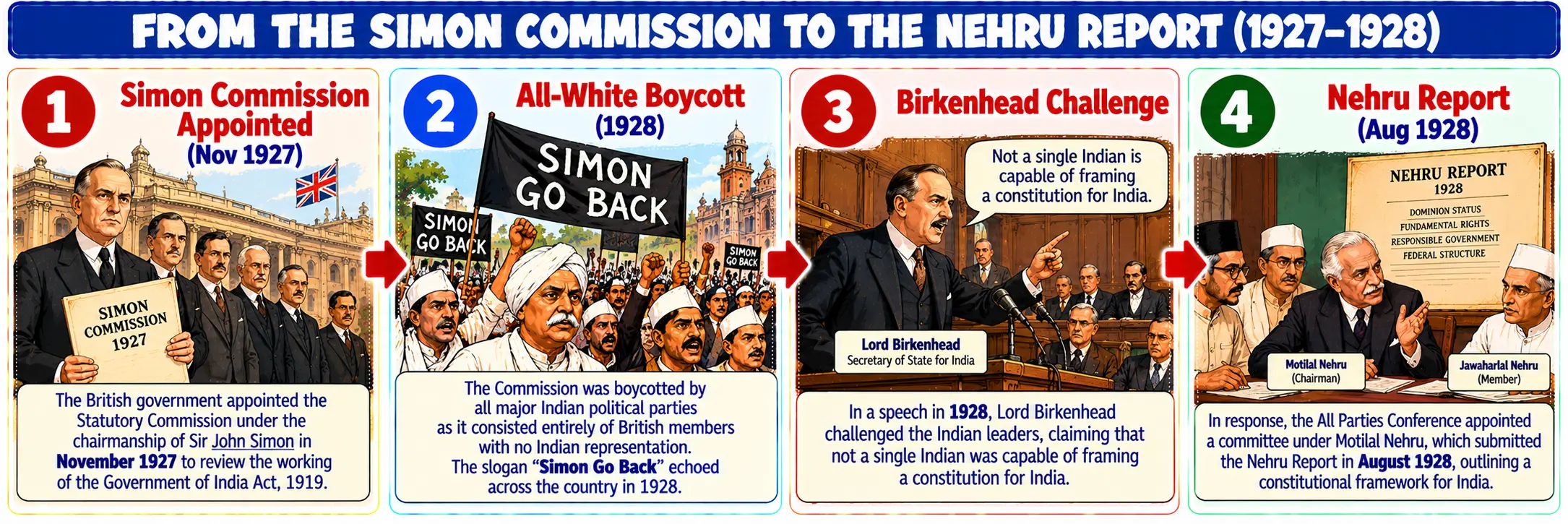 Figure 5: Road from the All-White Commission to India’s Constitutional Challenge
A. The Indian Statutory Commission (Simon Commission)
- Appointment (November 1927): Appointed two years ahead of schedule by the British Conservative government to review the Government of India Act 1919.
- The All-White Character: Chaired by Sir John Simon, all seven members were British parliamentarians, completely excluding Indians.
- National Boycott: The Congress (at its 1927 Madras session under Dr. M.A. Ansari), the Muslim League under Jinnah, the Hindu Mahasabha, and the Liberals united in boycotting the commission. Upon arriving in Bombay on February 3, 1928, the commission was met with black flags and the slogan: “Simon Go Back!”
- Lathi-Charge at Lahore: On October 30, 1928, police assaulted an anti-Simon march in Lahore. Lala Lajpat Rai received severe chest blows, famously stating: “Every blow struck on my chest will prove to be a nail in the coffin of the British Empire.” He succumbed to his injuries on November 17, 1928.
B. The Nehru Report (1928 CE) and Jinnah’s Fourteen Points
Provoked by Secretary of State Lord Birkenhead’s challenge that Indians could not produce an agreed constitution, an All-Parties Conference appointed a drafting committee headed by Motilal Nehru.
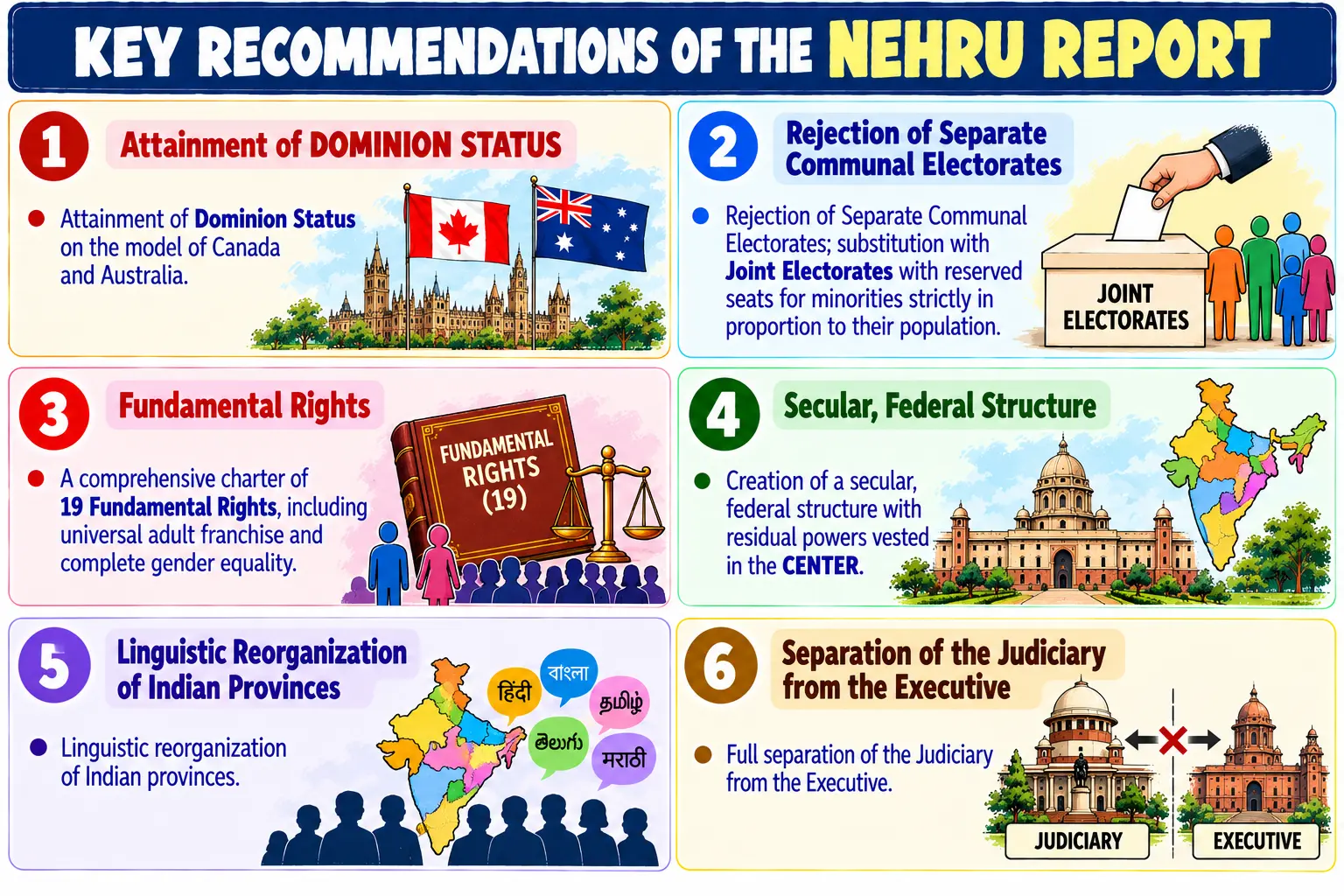 Figure 6: Core Constitutional Framework Proposed by the Nehru Committee (1928)
- Attainment of Dominion Status on the constitutional model of Canada and Australia.
- Rejection of separate communal electorates; replacement with Joint Electorates with reserved seats for minorities strictly proportional to population.
- A charter of 19 Fundamental Rights, including universal adult franchise and equal rights for women.
- A secular federal structure with residual powers vested in the Center.
- Linguistic reorganization of provinces and full separation of judiciary from the executive.
- Generational Divide: Younger radicals led by Jawaharlal Nehru and Subhas Chandra Bose rejected Dominion Status, demanding complete independence and establishing the Independence for India League (1928) to advance their socialist goals.
- Jinnah’s Fourteen Points (March 1929): When Jinnah’s proposed amendments regarding central reservation and provincial autonomy were rejected by the All-Parties Convention, he severed ties with the Congress and articulated his “Fourteen Points,” cementing the communal political rift.
4. The Historic Lahore Congress and Purna Swaraj (1929 CE)
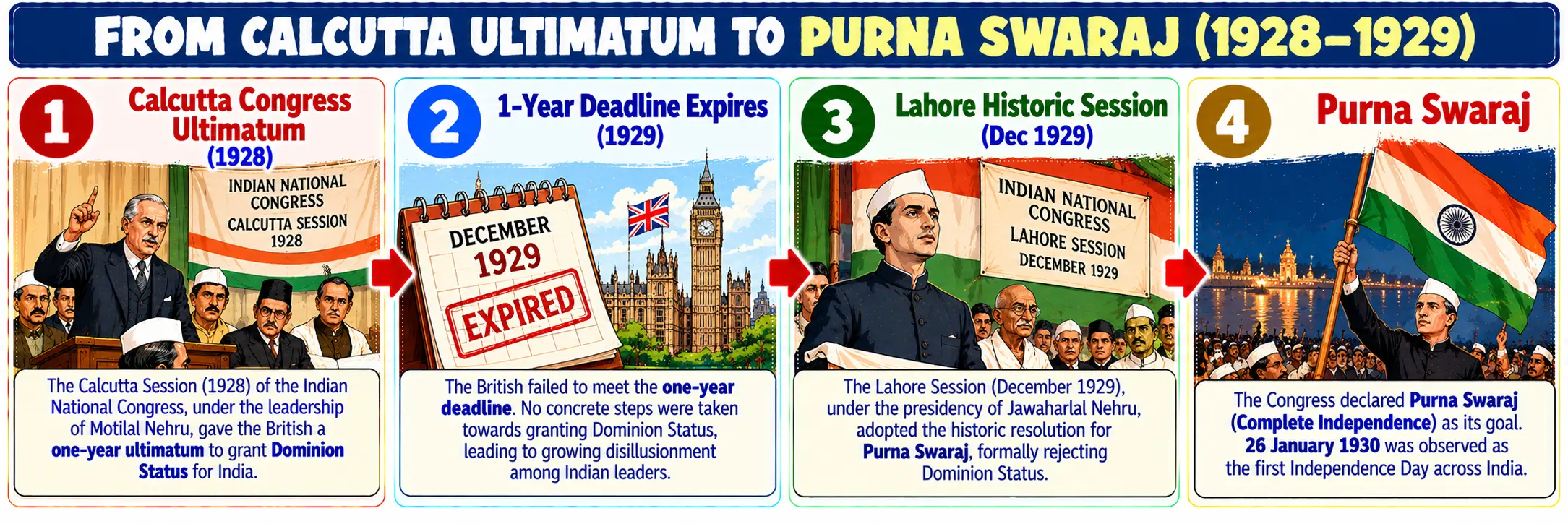 Figure 7: Transition from Dominion Status Ultimatum to Complete Independence
A. The One-Year Ultimatum
At the 1928 Calcutta Congress, Gandhi mediated a compromise: if the British Government did not grant Dominion Status under the Nehru Report within one year (by December 31, 1929), the Congress would declare Complete Independence and launch Civil Disobedience.
B. The Lahore Session (December 1929)
With Viceroy Lord Irwin offering no substantive constitutional progress, the Indian National Congress met on the banks of the River Ravi at Lahore in December 1929 under the presidency of 40-year-old Jawaharlal Nehru.
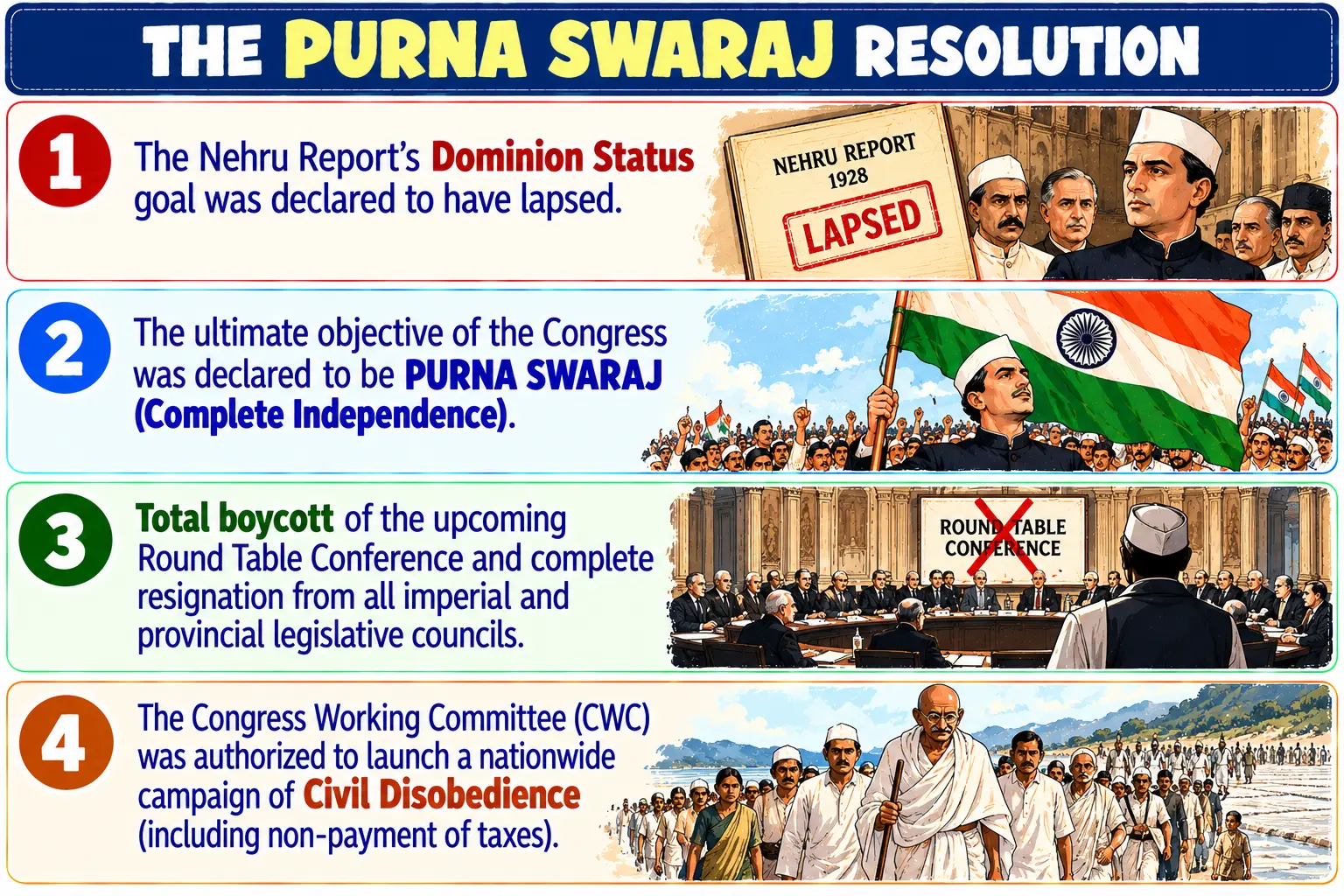 Figure 8: Mandates of the Historic Lahore Resolution on Complete Independence
- The goal of Dominion Status under the Nehru Report was declared to have lapsed.
- The core objective of the Congress was formally declared to be Purna Swaraj (Complete Independence).
- Total boycott of the upcoming Round Table Conference and resignation from all colonial legislative councils.
- Authorization of the Congress Working Committee (CWC) to launch nationwide Civil Disobedience, including non-payment of taxes.
- Unfurling the Tricolour: At midnight on December 31, 1929, Jawaharlal Nehru hoisted the newly adopted tricolour flag of Indian independence along the River Ravi amidst chants of “Inquilab Zindabad”.
- First Independence Day (January 26, 1930): The CWC designated January 26, 1930, as Purna Swaraj Day, during which citizens across India took the historic Independence Pledge affirming freedom as an inalienable right. To commemorate this event, January 26 was later chosen as the date for enacting the Constitution of India in 1950.
5. Quick Examination Facts
| Topic / Milestone | Key Exam Fact |
|---|---|
| Founders of Swaraj Party (1923) | Chittaranjan Das (President) and Motilal Nehru (Secretary) |
| Session where Council Entry was Defeated | Gaya Session (Dec 1922); presided over by C.R. Das |
| Prominent ‘No-Changers’ | C. Rajagopalachari, Vallabhbhai Patel, Dr. Rajendra Prasad, M.A. Ansari |
| First Indian Speaker of Central Assembly | Vithalbhai Patel (Elected August 1925) |
| Prominent Responsivist Swarajists | Lala Lajpat Rai, M.R. Jayakar, N.C. Kelkar, B.S. Moonje |
| Founders of HRA (Kanpur, 1924) | Sachindra Nath Sanyal, Ram Prasad Bismil, Jogesh Chandra Chatterjee |
| Date of Kakori Train Action | August 9, 1925 (HRA expropriated official cash from 8-Down train) |
| Martyrs Hanged for Kakori Action | Ram Prasad Bismil, Ashfaqullah Khan, Roshan Singh, Rajendra Lahiri |
| Venue where HSRA was Formed (1928) | Feroz Shah Kotla (Delhi) by Chandrashekhar Azad & Bhagat Singh |
| British Officer Killed in Lahore (1928) | Assistant Superintendent John P. Saunders (by Bhagat Singh & Rajguru) |
| Central Assembly Bomb Throwers (1929) | Bhagat Singh and Batukeshwar Dutt (April 8, 1929) |
| Martyr of 63-Day Hunger Strike | Jatin Das (Died September 13, 1929, in Lahore Central Jail) |
| Leader of Chittagong Armoury Raid (1930) | Surya Sen (“Masterda”) under Indian Republican Army |
| Female Revolutionaries of Chittagong | Pritilata Waddedar, Kalpana Datta, Santi Ghosh, Suniti Choudhury |
| Appointment of Simon Commission | November 1927 (7-member all-white body chaired by Sir John Simon) |
| Martyrdom of Lala Lajpat Rai | November 17, 1928 (Following police lathi-charge in Lahore) |
| Chairman of Nehru Report Committee (1928) | Motilal Nehru (Proposed Dominion Status, rejected separate electorates) |
| Founders of Independence for India League | Jawaharlal Nehru and Subhas Chandra Bose (1928) |
| President of 1929 Lahore Congress | Jawaharlal Nehru (Adopted Purna Swaraj resolution) |
| First Purna Swaraj Day Celebration | January 26, 1930 (Independence Pledge taken across India) |
6. Conclusion
The years between 1922 and 1929 marked a decisive shift in modern Indian political consciousness. While the Swarajists exposed the structural weaknesses of colonial dyarchy within official chambers, revolutionary leaders like Bhagat Singh, Chandrashekhar Azad, and Surya Sen introduced socialist ideals and radical commitment to the national discourse. The exclusion of Indians from the Simon Commission and the rejection of the Nehru Report eliminated any residual faith in gradual colonial constitutionalism, setting the stage for the historic Purna Swaraj resolution of 1929 and the nationwide Civil Disobedience Movement that followed.
Swaraj Party, Simon Commission, and Purna Swaraj (1922 – 1929 CE)
Practice Quiz • 15 MCQs