The Government of India Act of 1935, Provincial Elections of 1937, and the Resignation of Congress Ministries (1935 – 1939 CE)
Although rejected by nearly every major Indian political party for falling far short of Dominion Status, the Act fundamentally altered the political terrain. It dismantled provincial dyarchy, granted Provincial Autonomy, and expanded the electoral franchise. In the landmark Provincial Elections of 1937, the Indian National Congress achieved a sweeping mandate, forming ministries in eight out of eleven provinces. However, this experiment in democratic governance was cut short in September 1939, when the British Viceroy unilaterally dragged India into the Second World War without consulting Indian representatives, precipitating the mass resignation of Congress ministries and setting the stage for the final phase of the freedom struggle.
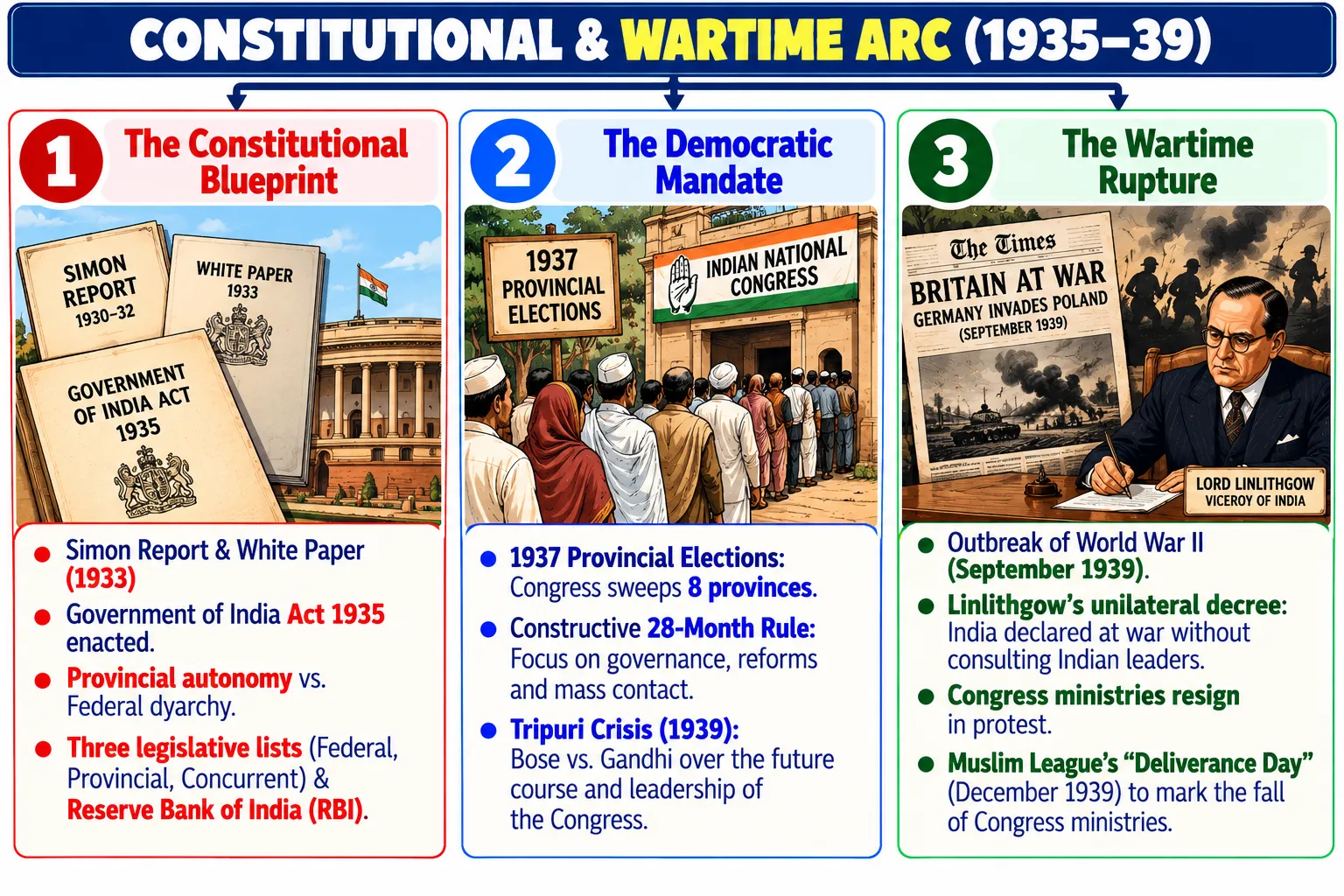 Figure 1: Strategic Progression of Constitutional Governance and Wartime Break (1935–1939)
- The Constitutional Blueprint: Government of India Act 1935, introduction of Provincial Autonomy, proposed All-India Federation, and distribution of powers across three lists.
- The Democratic Mandate: Landslide victory of the Indian National Congress in the 1937 Provincial Elections, 28 months of constructive administration, and internal tensions culminating in the Tripuri Crisis (1939).
- The Wartime Rupture: Outbreak of World War II, Viceroy Linlithgow’s unilateral war proclamation, resignation of Congress ministries, and the Muslim League’s “Day of Deliverance.”
1. The Government of India Act of 1935 (1935 CE)
The Government of India Act of 1935 was a complex, exhaustive legal enactment comprising 321 sections and 10 schedules. It served as the structural bridge between colonial administration and independent India, providing the administrative bedrock for the modern Constitution of India (1950).
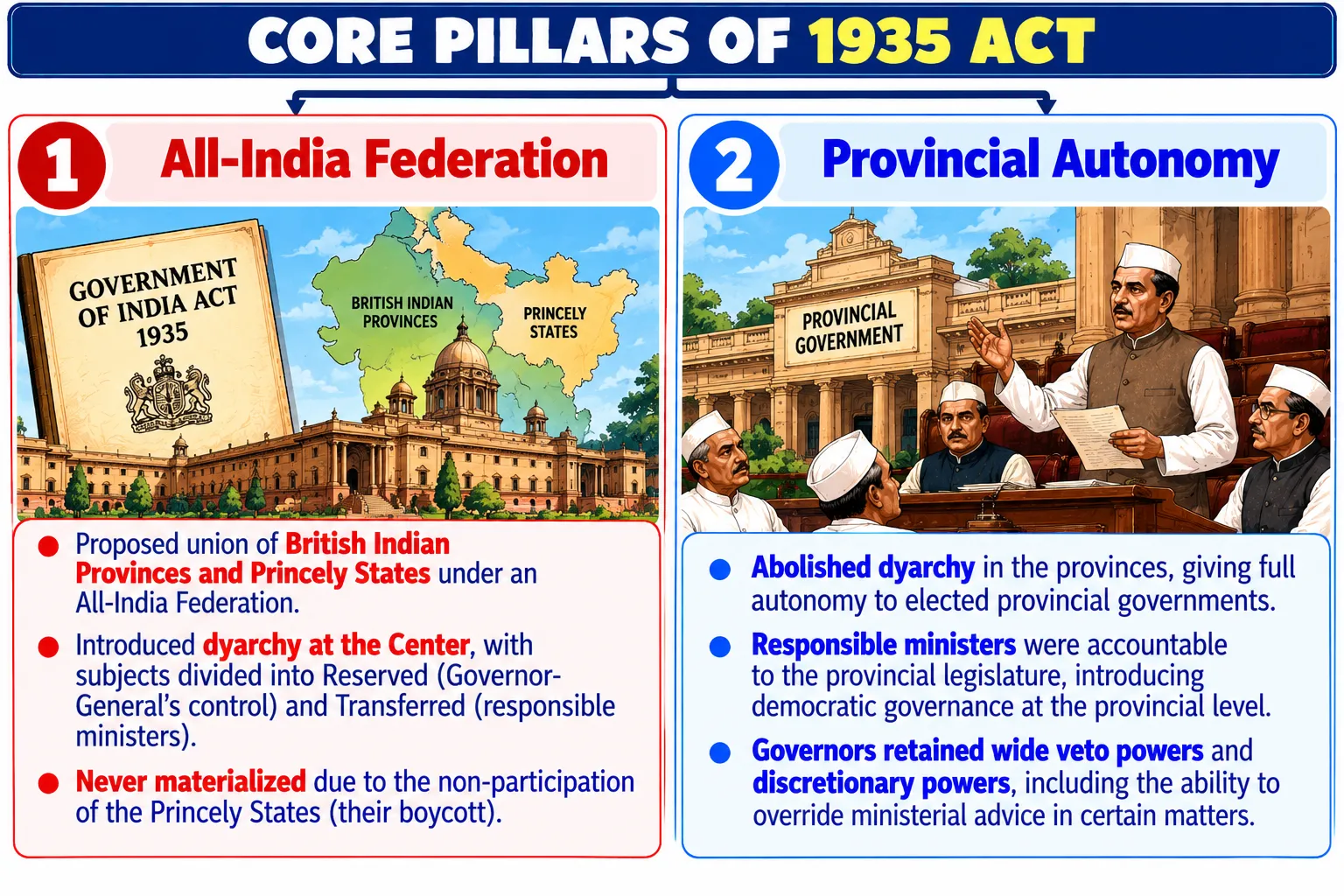 Figure 2: Dual Structural Pillars of the Government of India Act 1935
- All-India Federation: Envisaged a constitutional union of British Indian Provinces and Princely States with Dyarchy at the Center. It remained abortive due to the Princely boycott.
- Provincial Autonomy: Abolished provincial dyarchy, replacing it with responsible elected ministries accountable to provincial legislatures, though Governors retained extensive discretionary veto powers.
A. Key Provisions of the Act
- Proposed All-India Federation:
- Envisaged an All-India Federation comprising Governors’ Provinces, Chief Commissioners’ Provinces, and Princely States acceding via an “Instrument of Accession.”
- Why the Federation Failed: Accession was voluntary for rulers. Fearing the loss of their autocratic privileges, the princes refused to join. The federal scheme never came into effect, leaving the Central Government functioning under the Government of India Act of 1919.
- Introduction of Provincial Autonomy:
- Abolition of Provincial Dyarchy: Abolished the dual classification of “Reserved” and “Transferred” subjects introduced under the 1919 Montford Reforms.
- Responsible Government: Provinces became distinct, autonomous legal entities with executive power exercised by a Governor on the advice of elected ministers responsible to the assembly.
- Governor’s Discretionary Overreach: Governors retained wide emergency powers, veto prerogatives, and authority under Section 93 to dissolve cabinets and assume direct control.
- Dyarchy at the Center:
- Proposed dividing central executive functions into Reserved Subjects (Defense, External Affairs, Ecclesiastical affairs, Tribal Areas) administered solely by the Governor-General, and Transferred Subjects administered on ministerial advice. This remained inoperative due to the collapse of the federal plan.
- Threefold Legislative Division:
- Federal Legislative List (59 items): Matters of national importance (Defense, External Affairs, Currency, Communications).
- Provincial Legislative List (54 items): Provincial governance subjects (Police, Public Health, Education, Agriculture).
- Concurrent Legislative List (36 items): Shared jurisdiction (Criminal Law, Civil Procedure, Civil Marriage).
- Residuary Powers: Uniquely vested neither in federal nor provincial legislatures, but solely in the discretion of the Governor-General (Viceroy).
- Bicameralism in Provinces: Introduced two-chamber legislatures (Legislative Assembly and Legislative Council) in six provinces: Bengal, Bombay, Madras, Bihar, Assam, and the United Provinces (UP). The remaining five provinces remained unicameral.
- Judicial and Institutional Foundations:
- Federal Court of India: Established in Delhi on October 1, 1937, with Sir Maurice Gwyer as its first Chief Justice (the forerunner of the Supreme Court of India).
- Reserve Bank of India (RBI): Institutionalized central bank regulation of national currency and credit following the RBI Act 1934.
- Territorial Adjustments: Formally separated Burma (Myanmar) and Aden from British India (effective 1937), and created two new provinces: Sindh (detached from Bombay) and Orissa (detached from Bihar).
- Franchise Expansion: Retained communal electorates, reserving seats for Europeans, Anglo-Indians, women, and labor unions. Replaced separate electorates for Depressed Classes with reserved seats in joint electorates per the Poona Pact. Total franchise expanded to roughly 10–14% of the adult population (around 35 million voters).
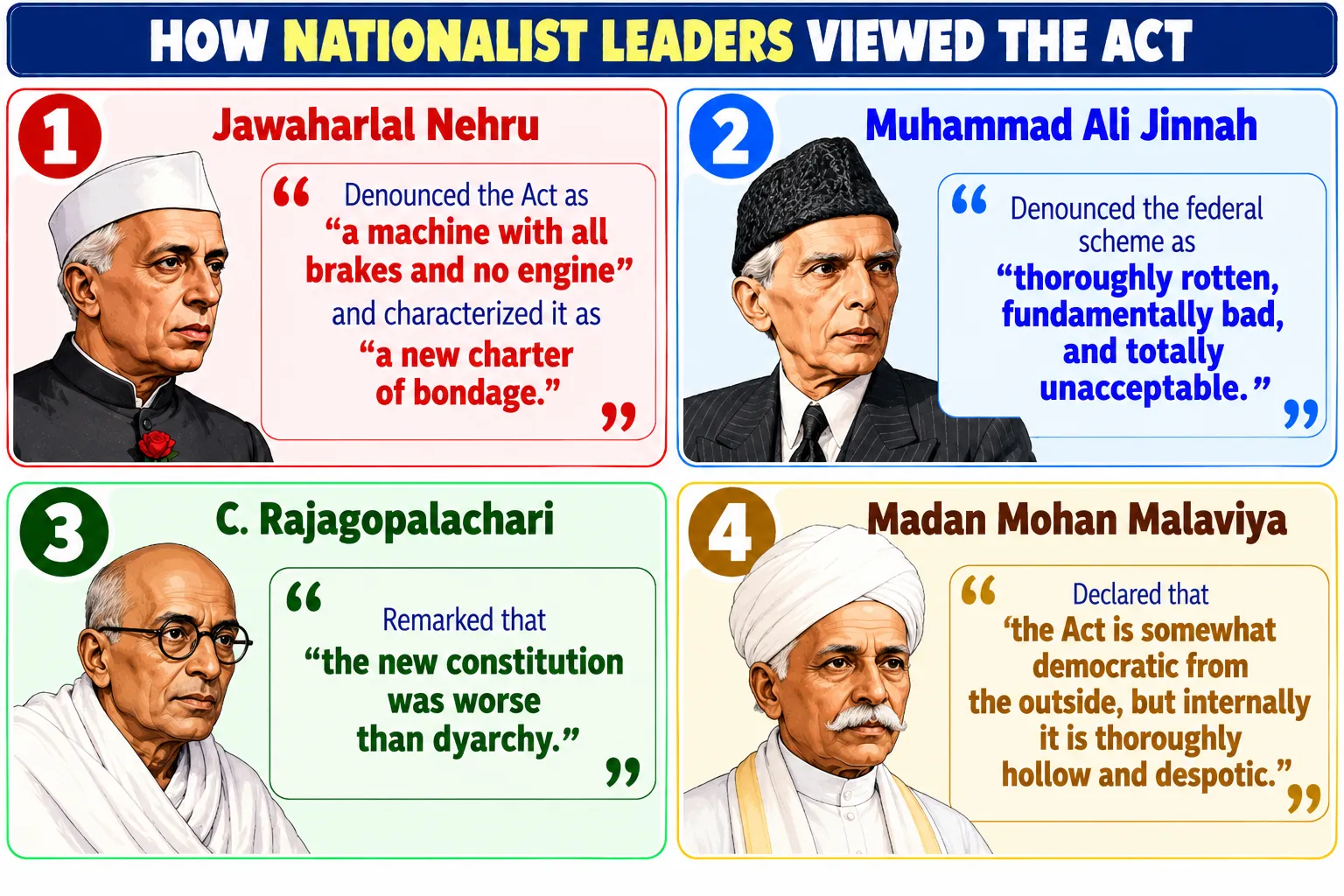 Figure 3: Nationalist Verdict on the Government of India Act 1935
B. Nationalist Condemnation of the 1935 Act
- Jawaharlal Nehru: Denounced it as “a machine with all brakes and no engine” and “a new charter of bondage.”
- Muhammad Ali Jinnah: Described the federal scheme as “thoroughly rotten, fundamentally bad, and totally unacceptable.”
- C. Rajagopalachari: Remarked that “the new constitution was worse than dyarchy.”
- Madan Mohan Malaviya: Declared that “the Act is somewhat democratic from the outside, but internally it is thoroughly hollow and despotic.”
2. The Landmark Provincial Elections of 1937 (1937 CE)
In early 1937, elections were held across 11 provinces for 1,585 assembly seats. Despite opposing the Act, the Indian National Congress contested the polls to prevent reactionary communal organizations from capturing power and to demonstrate popular support for complete independence.
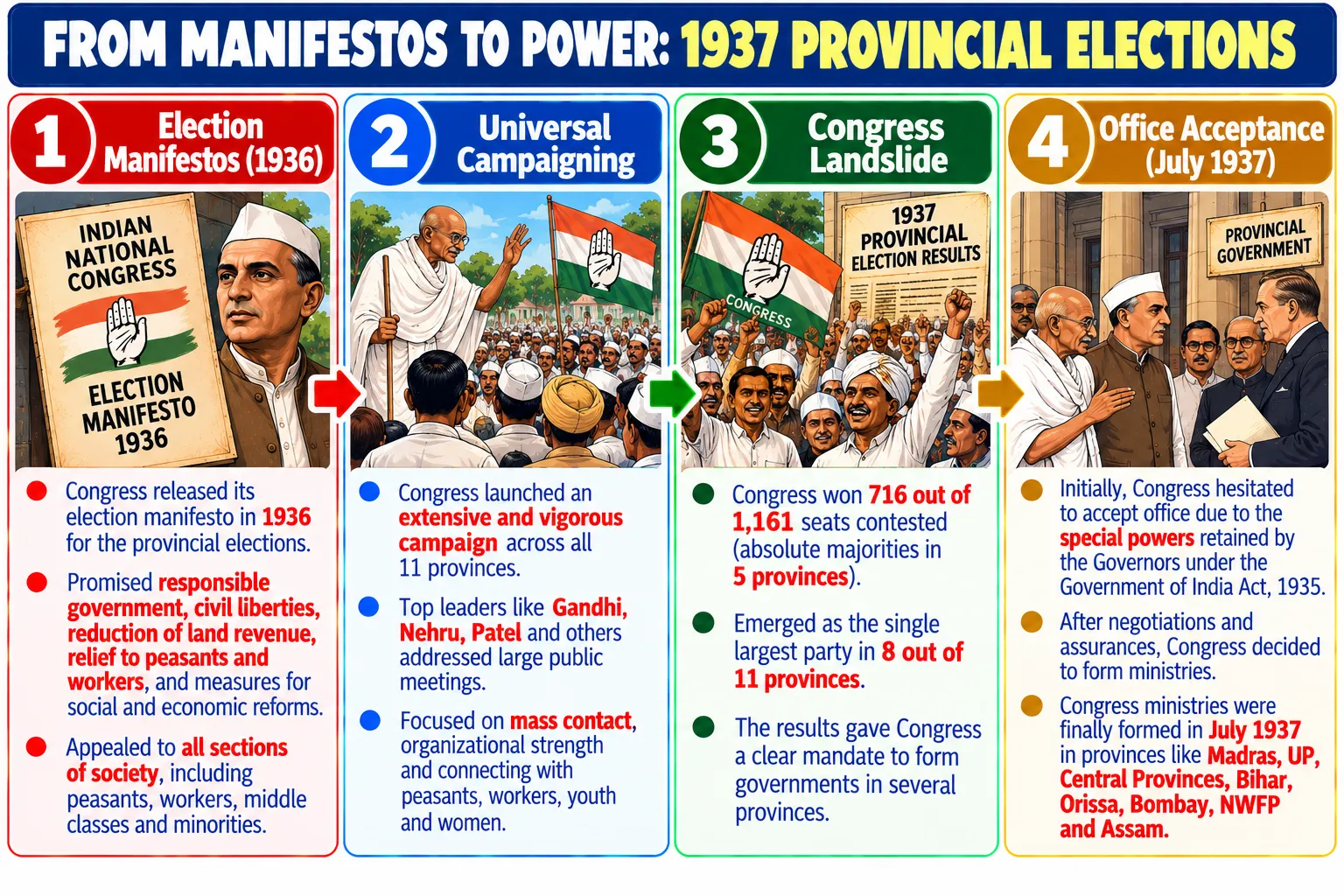 Figure 4: Four Key Stages of the 1937 Electoral Campaign and Ministry Formation
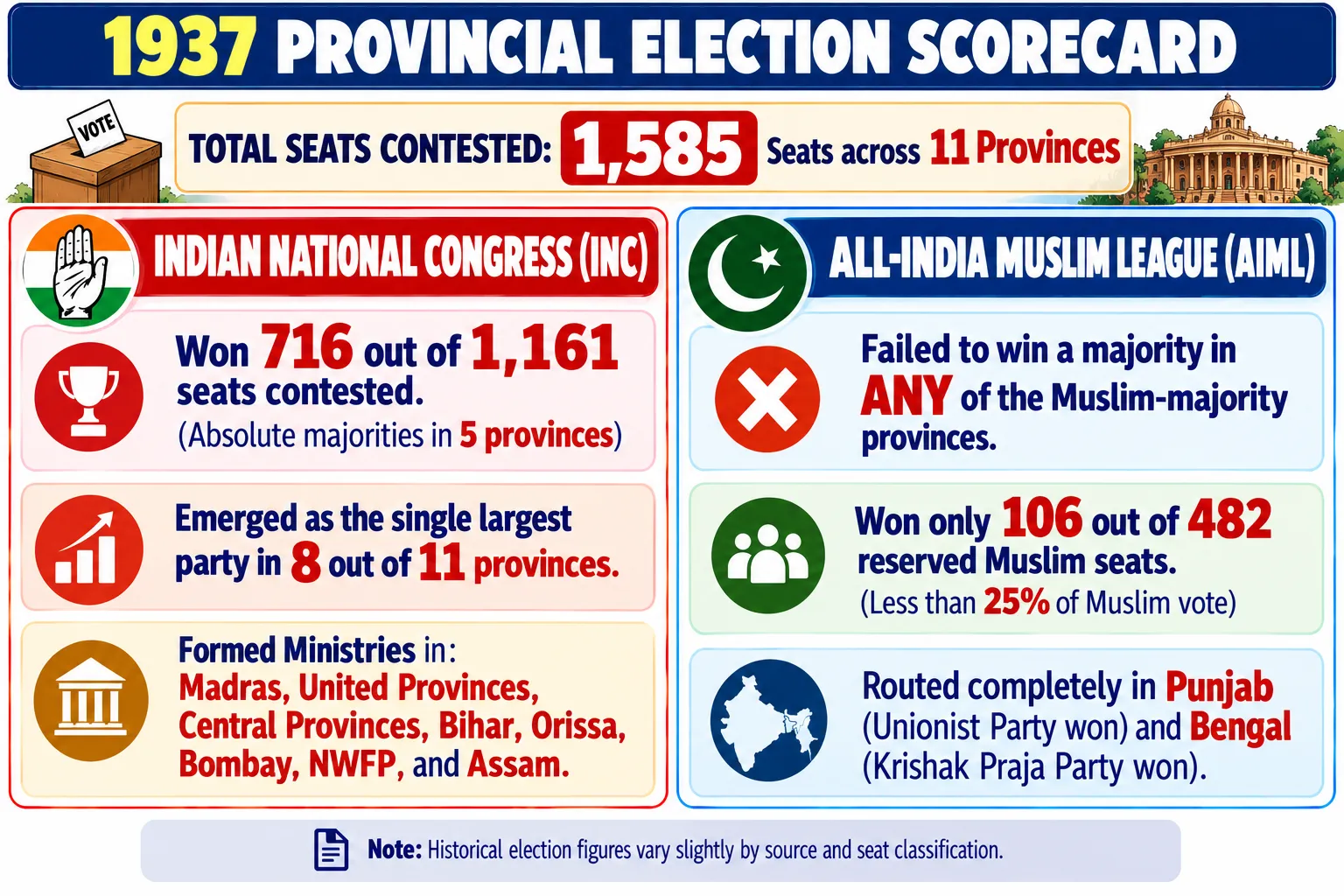 Figure 5: Comparative Performance of Congress and the Muslim League in 1937
Indian National Congress (INC):
- Won 716 out of 1,161 seats contested, securing clear majorities in 5 provinces.
- Emerged as the single largest party in 8 out of 11 provinces.
- Formed ministries in Madras, United Provinces (UP), Central Provinces (CP), Bihar, Orissa, Bombay, NWFP, and Assam.
All-India Muslim League (AIML):
- Failed to win an absolute majority in any Muslim-majority province.
- Won only 106 out of 482 reserved Muslim seats (less than 25% of the total Muslim vote).
- Faced heavy defeats in Punjab (Unionist Party) and Bengal (Krishak Praja Party).
A. The Congress Ministries
- Absolute Majority Provinces: Formed stable single-party governments in Madras (C. Rajagopalachari), UP (Govind Ballabh Pant), Bihar (Sri Krishna Sinha), Central Provinces (Dr. N.B. Khare, later Ravi Shankar Shukla), and Orissa (Harekrushna Mahatab).
- Coalition Governments: Formed ministries in Bombay (B.G. Kher), North-West Frontier Province (Dr. Khan Sahib), and Assam (Gopinath Bordoloi).
- Non-Congress Provinces:
- Bengal: Coalition government led by A.K. Fazlul Huq (Krishak Praja Party) alongside the Muslim League.
- Punjab: Landlord-backed secular Unionist Party under Sir Sikandar Hayat Khan.
- Sindh: Non-Congress coalition headed by Sir Ghulam Hussain Hidayatullah.
B. The Office Acceptance Debate
- The Left-Wing Stance: Jawaharlal Nehru and Subhas Chandra Bose argued against accepting office, maintaining that working within the colonial framework would co-opt the nationalist movement and weaken its revolutionary momentum.
- The Right-Wing / Pragmatic Stance: Sardar Patel, C. Rajagopalachari, and Dr. Rajendra Prasad argued that holding office would protect the masses from administrative oppression and prove Congress’s governance competence.
- Linlithgow’s Assurance: In June 1937, Viceroy Lord Linlithgow issued a public statement clarifying that provincial Governors would not routinely interfere with the day-to-day administrative functions of elected ministers. The Congress accepted office in July 1937.
3. Work and Legacy of the 28-Month Congress Ministries (1937 – 1939 CE)
The Congress ministries held power for roughly 28 months (July 1937 – October 1939), introducing widespread administrative and social reforms:
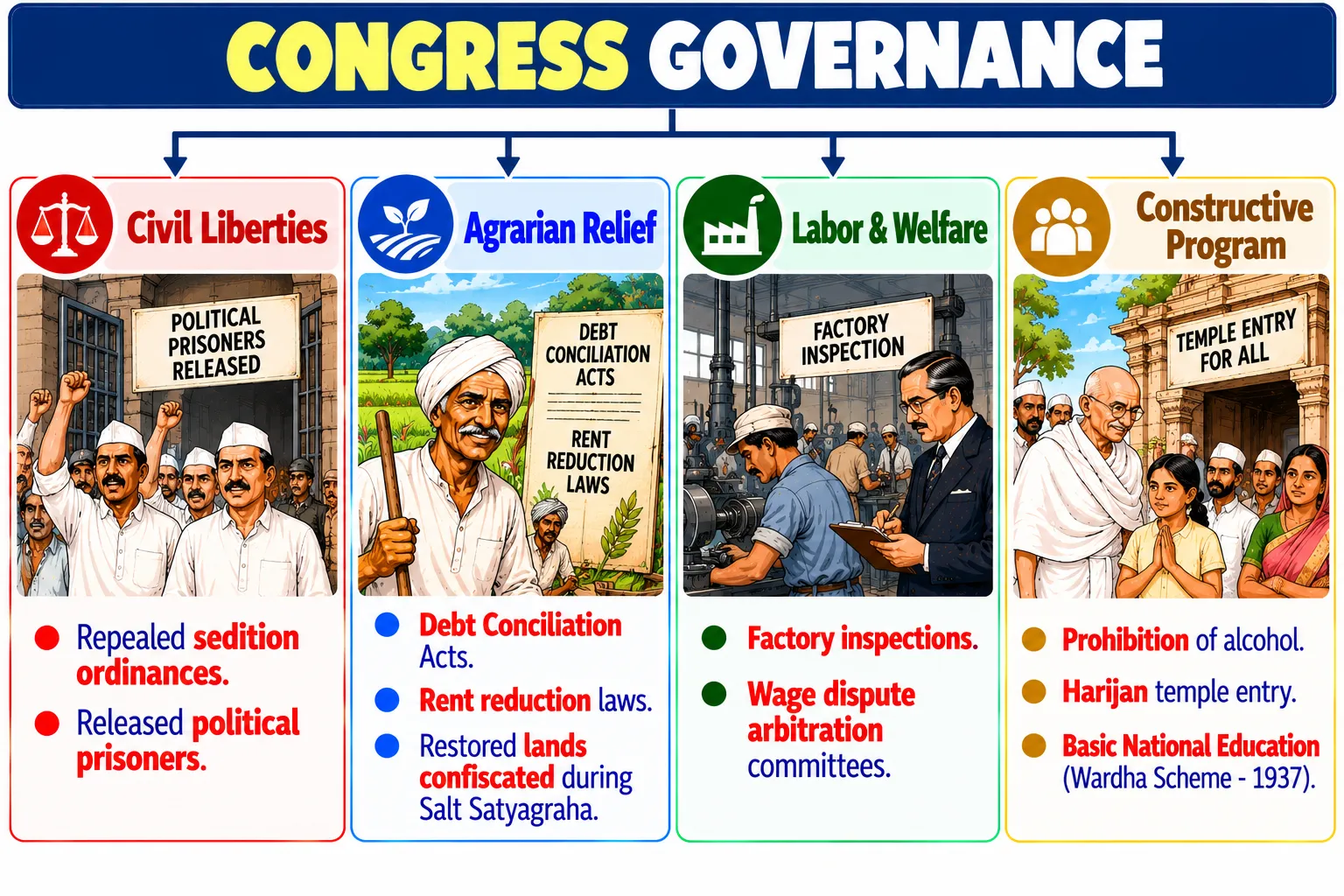 Figure 6: Primary Governance and Social Welfare Reforms of Congress Ministries
- Restoration of Civil Liberties:
- Repealed emergency ordinances enacted during the Civil Disobedience Movement.
- Lifted bans on nationalist organizations, youth leagues, and radical publications.
- Released political prisoners and trade unionists, and returned confiscated printing securities.
- Agrarian Reforms and Debt Relief:
- Enacted Tenancy Legislation in UP and Bihar, securing tenant occupancy rights and checking arbitrary eviction (Bedakhli) and illegal levies (Nazrana).
- Passed Debt Conciliation Acts to reduce usurious interest rates, grant debt moratoriums, and regulate rural moneylenders.
- Restored agricultural lands confiscated and auctioned by colonial authorities during the Salt Satyagraha.
- Labor Welfare: Passed the Bombay Industrial Disputes Act (1938), created conciliation machinery for factory wage disputes, and set up labor welfare inquiry boards.
- Social Reform and Education:
- Enforced prohibition of alcohol in selected districts, accepting substantial losses in excise revenue.
- Supported Harijan welfare legislation, securing legal access to public wells, educational institutions, and temples (e.g., Malabar temple entry).
- Wardha Scheme of Basic Education (1937): Formulated the Nai Talim system under Dr. Zakir Husain’s committee, focusing on vocational learning in the mother tongue.
4. Internal Ideological Clashes: The Tripuri Crisis (1938 – 1939 CE)
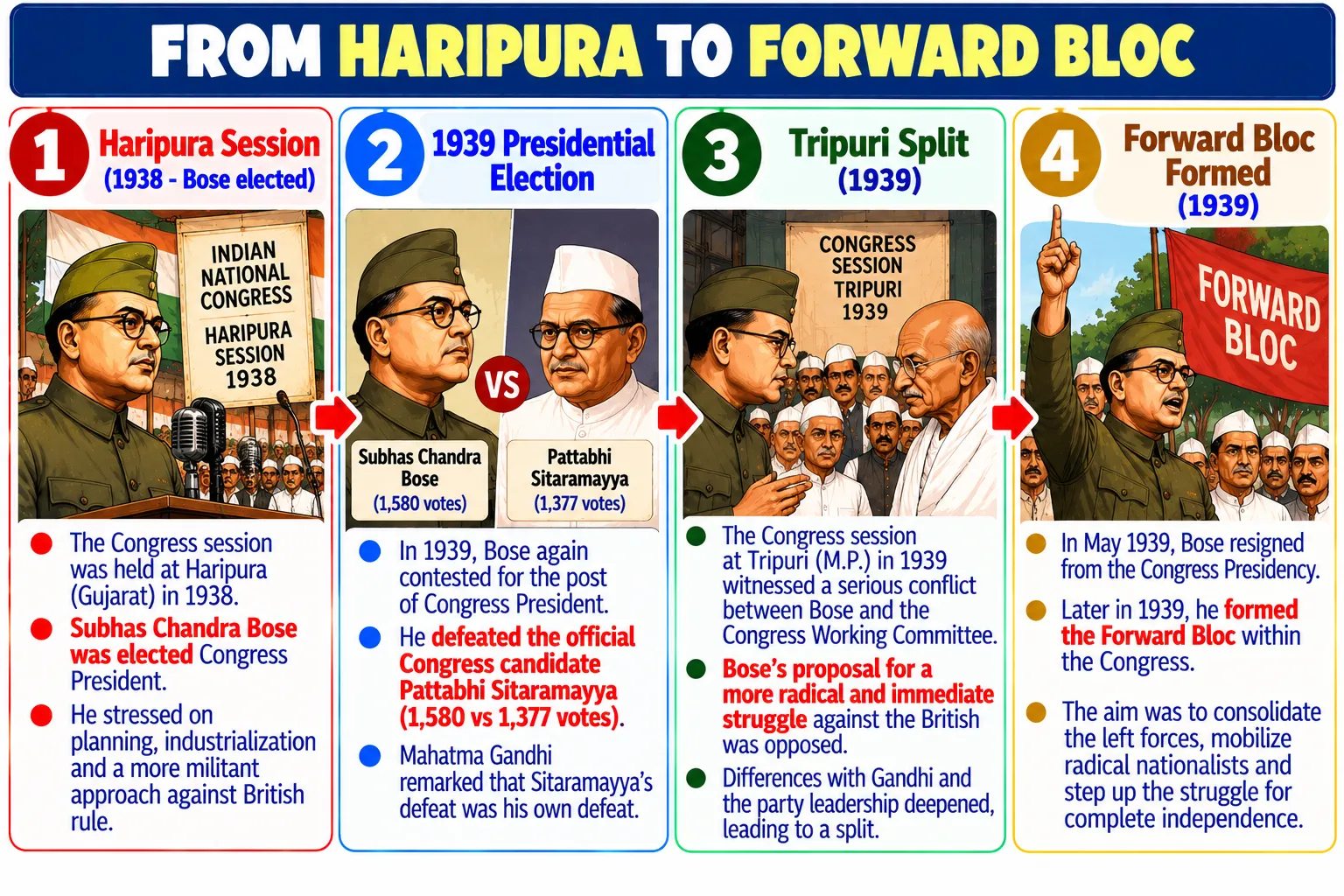 Figure 7: Internal Ideological Split and Formation of the Forward Bloc (1938–1939)
A. The Haripura Session (1938 CE)
- Subhas Chandra Bose was unanimously elected President at the Haripura (Gujarat) session.
- Under Bose’s initiative, the Congress established the National Planning Committee (NPC) with Jawaharlal Nehru as Chairman to formulate a socialist-oriented industrial blueprint for India.
B. The Presidential Election and the Tripuri Stalemate (1939 CE)
- The Election Contest: In January 1939, Bose decided to stand for re-election, warning of imminent world war and urging a militant timeline for independence. Gandhi supported veteran leader Dr. Pattabhi Sitaramayya. Bose won the contest by 1,580 to 1,377 votes.
- Gandhi’s Response: Following the election, Mahatma Gandhi publicly stated: “Pattabhi’s defeat is my defeat.”
- The Pant Resolution: At the Tripuri session (near Jabalpur, MP), Govind Ballabh Pant moved a resolution expressing faith in Gandhi and requiring the President to appoint the Congress Working Committee in consultation with Gandhi.
- Resignation of Bose: With Gandhi declining to appoint the committee, an administrative deadlock ensued. Refusing to remain a figurehead president, Bose resigned in April 1939. Dr. Rajendra Prasad was elected President in his place. In May 1939, Bose organized the Forward Bloc within the Congress to mobilize left-wing anti-colonial forces.
5. Outbreak of World War II and the Resignation Crisis (1939 CE)
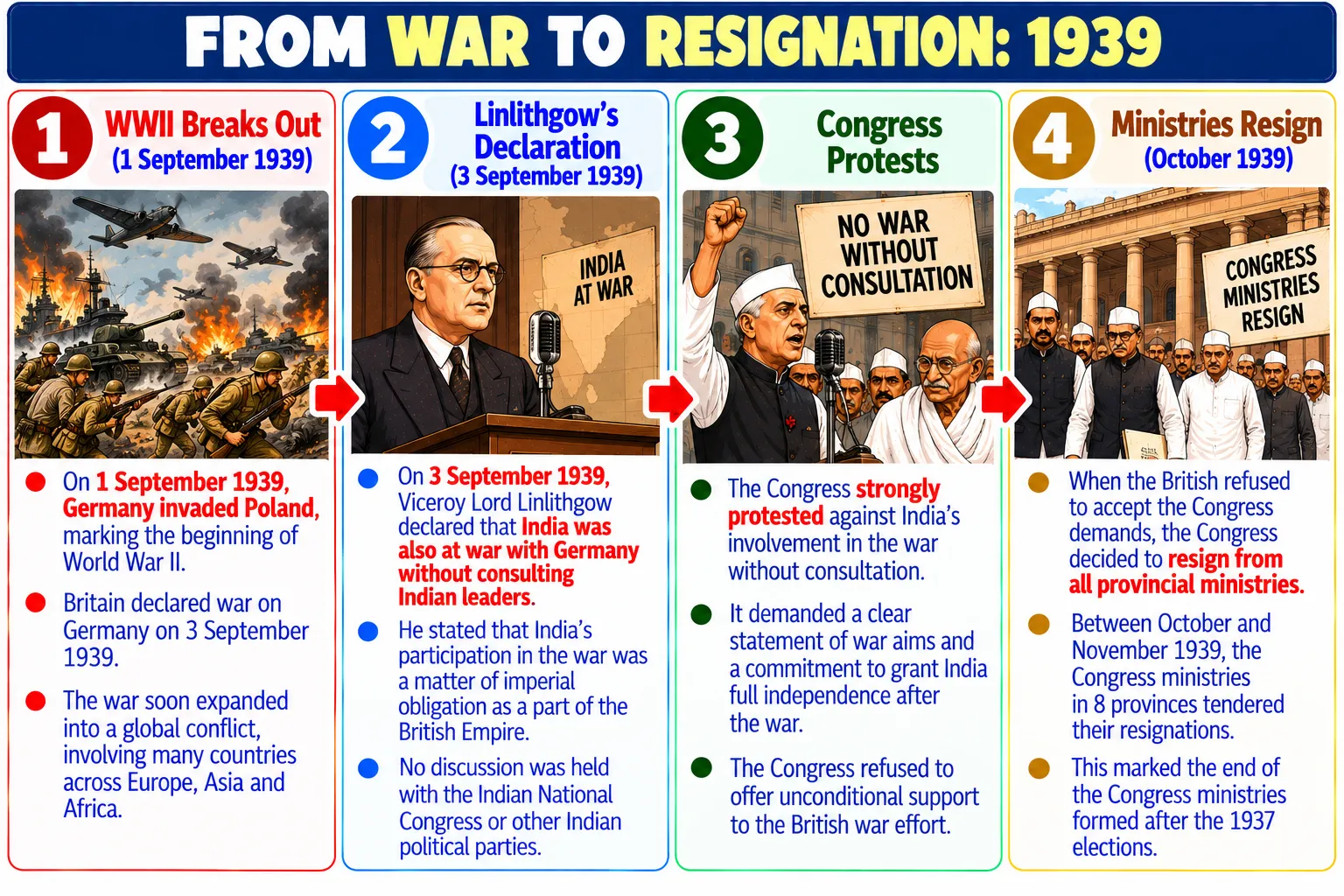 Figure 8: Sequence Leading from Linlithgow’s Declaration to the Resignation of Ministries
A. Unilateral War Declaration
On September 1, 1939, Nazi Germany attacked Poland, triggering World War II. Two days later, on September 3, 1939, Viceroy Lord Linlithgow declared India a belligerent on the side of Great Britain without consulting the central legislature, provincial ministries, or political leadership.
B. The Congress Stance and Demands
- The Congress condemned fascist aggression and expressed democratic solidarity, but stated that an enslaved nation could not participate in a conflict fought ostensibly for democratic freedom.
- The Congress Working Committee offered conditional cooperation if the British government met two core demands:
- A formal declaration promising complete independence (Purna Swaraj) to India after the war.
- Immediate transfer of substantial executive authority to an interim national government at the Center.
- Viceroy Linlithgow rejected the conditions in October 1939, reiterating vague promises of post-war consultations and exploiting communal divisions.
C. Resignation of Congress Ministries
Refusing to be party to imperialist exploitation, the Congress Working Committee ordered all Congress provincial cabinets to resign. By October–November 1939, ministries across all eight provinces stepped down.
D. The Muslim League’s “Day of Deliverance”
Muhammad Ali Jinnah and the All-India Muslim League celebrated the departure of the Congress governments, observing Friday, December 22, 1939, as the “Day of Deliverance” (Yaum-e-Nijat). Jinnah was joined by Dr. B.R. Ambedkar and E.V. Ramasamy Periyar, reflecting the growing polarization that led directly to the League’s Lahore Resolution demanding Pakistan in March 1940.
6. Quick Examination Facts
| Topic / Milestone | Key Exam Fact |
|---|---|
| Year Govt of India Act was Passed | 1935 CE (Longest statute enacted by British Parliament for India) |
| Why All-India Federation Failed | Princely States refused to sign the Instruments of Accession |
| System Introduced in Provinces in 1935 | Provincial Autonomy (Abolished Provincial Dyarchy) |
| Three Lists Introduced in 1935 Act | Federal List (59), Provincial List (54), Concurrent List (36) |
| Vesting of Residuary Powers in 1935 | Vested solely in the Governor-General (Viceroy) |
| Inauguration of the Federal Court | October 1, 1937 in Delhi (First Chief Justice: Sir Maurice Gwyer) |
| Number of Bicameral Provinces in 1935 | 6 Provinces (Bengal, Bombay, Madras, UP, Bihar, Assam) |
| Territories Separated from India in 1937 | Burma (Myanmar) and Aden |
| Congress Seats Won in 1937 Elections | 716 out of 1,585 seats (Formed ministries in 8 provinces) |
| Non-Congress Ministries Formed in 1937 | Bengal (Fazlul Huq), Punjab (Sikandar Hayat Khan), Sindh (Hidayatullah) |
| Viceroy Assuring Non-Interference in 1937 | Lord Linlithgow |
| Duration of Congress Rule | 28 Months (July 1937 – October/November 1939) |
| Gandhian Scheme of Basic Education (1937) | Wardha Scheme (Nai Talim); chaired by Dr. Zakir Husain |
| President of 1938 Haripura Congress | Subhas Chandra Bose (National Planning Committee set up under Nehru) |
| Candidate Defeated by Bose at Tripuri (1939) | Dr. Pattabhi Sitaramayya (Gandhi’s candidate) |
| Organization Founded by Bose in 1939 | Forward Bloc (Formed within Congress after resigning presidency) |
| Viceroy Declaring India at War in 1939 | Lord Linlithgow (September 3, 1939, without Indian consent) |
| Date of Muslim League’s Day of Deliverance | December 22, 1939 (Celebrated after Congress resignations) |
7. Conclusion
The period between 1935 and 1939 demonstrated the governing capacity of the Indian National Congress. The administrative machinery and legislative framework established under the Government of India Act of 1935 provided structural precedents that profoundly shaped the independent Constitution of 1950. The 28 months of provincial rule proved that Indian ministers could manage administration and introduce agrarian and social reforms despite imperial checks. Ultimately, Britain’s unilateral entry of India into World War II dismantled the constitutional experiment, ending the era of parliamentary cooperation and leading directly to the Individual Satyagraha (1940), the Cripps Mission (1942), and the Quit India Movement.
The Government of India Act 1935 and Resignation of Congress Ministries (1935-1939)
Practice Quiz • 15 MCQs