Wartime Diplomacy and Nationalist Upsurge: August Offer, Cripps Mission, and the Quit India Movement (1940 – 1944 CE)
However, piecemeal promises fell drastically short of the nationalist demand for immediate self-determination. The failure of the August Offer (1940) and the Cripps Mission (1942), combined with soaring wartime inflation and Japanese military advance toward Burma, convinced Mahatma Gandhi and the Congress that only an immediate, total British departure could save India. The outcome was the Quit India Movement of 1942—the most intense, widespread, and militant mass insurrection against colonial rule since the Revolt of 1857.
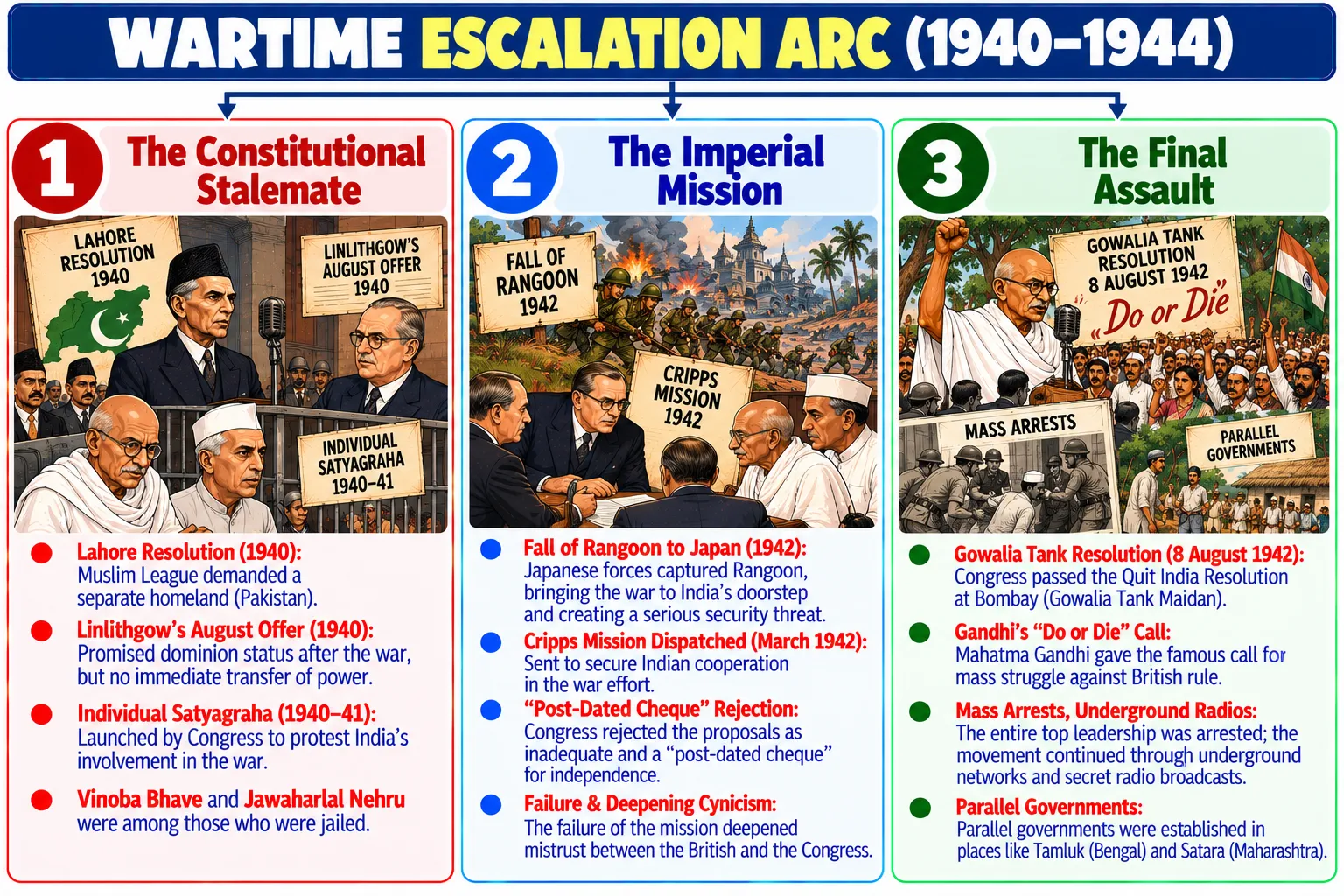 Figure 1: Strategic Phases of Wartime Confrontation and Agitation (1940–1944)
- The Constitutional Stalemate: Muslim League’s Lahore Resolution (March 1940), Viceroy Linlithgow’s August Offer, and Gandhi’s moral response via Individual Satyagraha (1940–1941).
- The Imperial Mission: Geopolitical panic following the fall of Rangoon to Japan, the arrival of the Cripps Mission (1942), and its total rejection by all major Indian parties.
- The Final Assault: Historic Quit India Resolution at Gowalia Tank (August 8, 1942), Gandhi’s “Do or Die” call, Operation Zero Hour arrests, widespread underground sabotage, and rural parallel governments.
1. The Lahore Resolution and the August Offer (1940 CE)
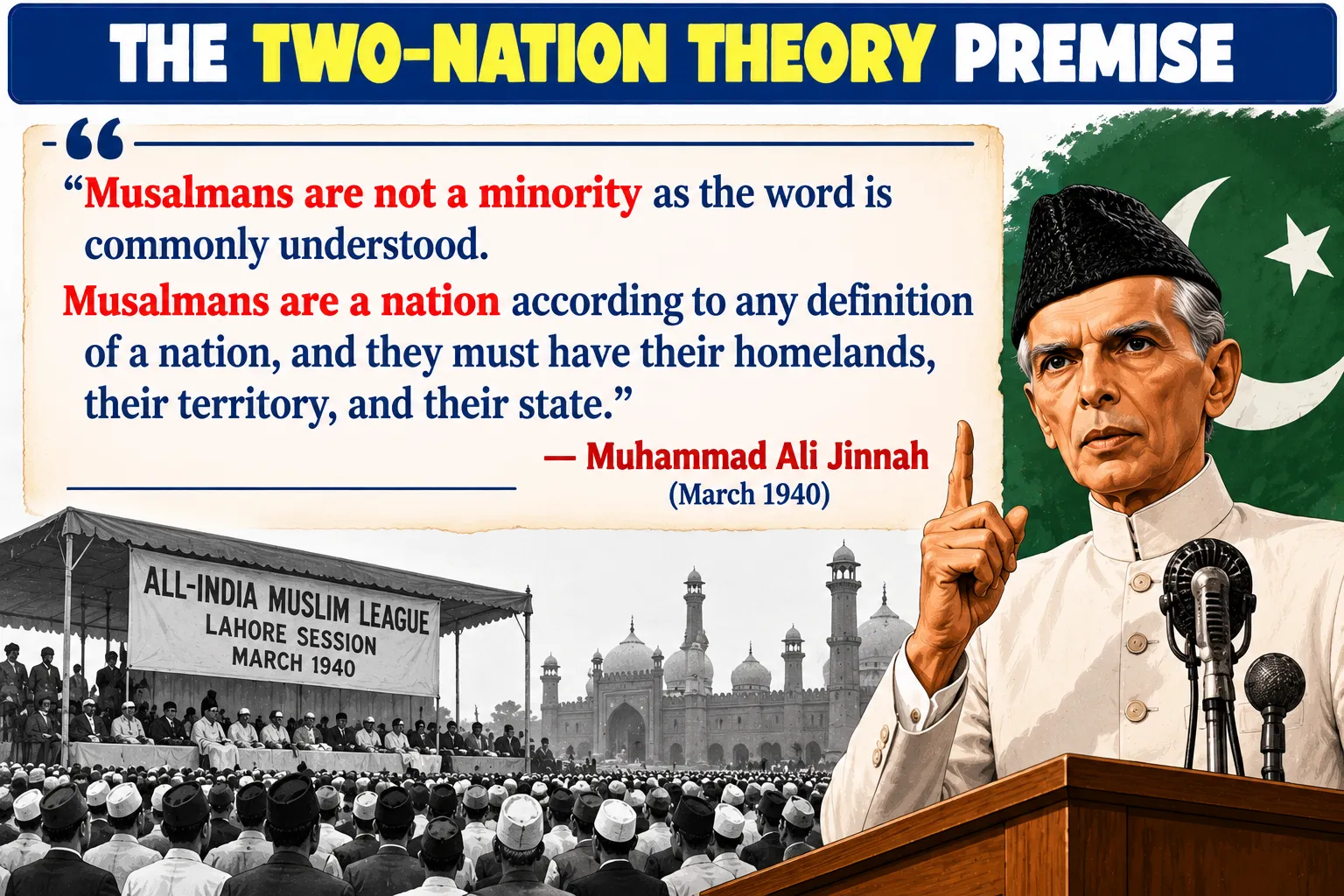 Figure 2: The Two-Nation Theory Articulated at the 1940 Lahore Session
A. The Lahore Resolution of the Muslim League (March 1940)
Meeting in Lahore under the presidency of Muhammad Ali Jinnah on March 23, 1940, the All-India Muslim League passed its historic Lahore Resolution (subsequently celebrated as the Pakistan Resolution):
- The Core Demand: Drafted by Punjab Premier Sir Sikandar Hayat Khan and moved by Bengal Premier A.K. Fazlul Huq, the resolution declared that no constitutional plan would be workable or acceptable to Muslims unless geographically contiguous units were demarcated into regions:
“The areas in which the Muslims are numerically in a majority, as in the North-Western and Eastern zones of India, should be grouped to constitute ‘Independent States’ in which the constituent units shall be autonomous and sovereign.”
- The Two-Nation Theory: Although the word “Pakistan” was not explicitly mentioned in the official text of the resolution, the resolution formalized Jinnah’s Two-Nation Theory, declaring that Indian Muslims were not a minority community, but a distinct nation entitled to their own homeland.
“Musalmans are not a minority as the word is commonly understood. Musalmans are a nation according to any definition of a nation, and they must have their homelands, their territory, and their state.”
— Muhammad Ali Jinnah (March 1940)
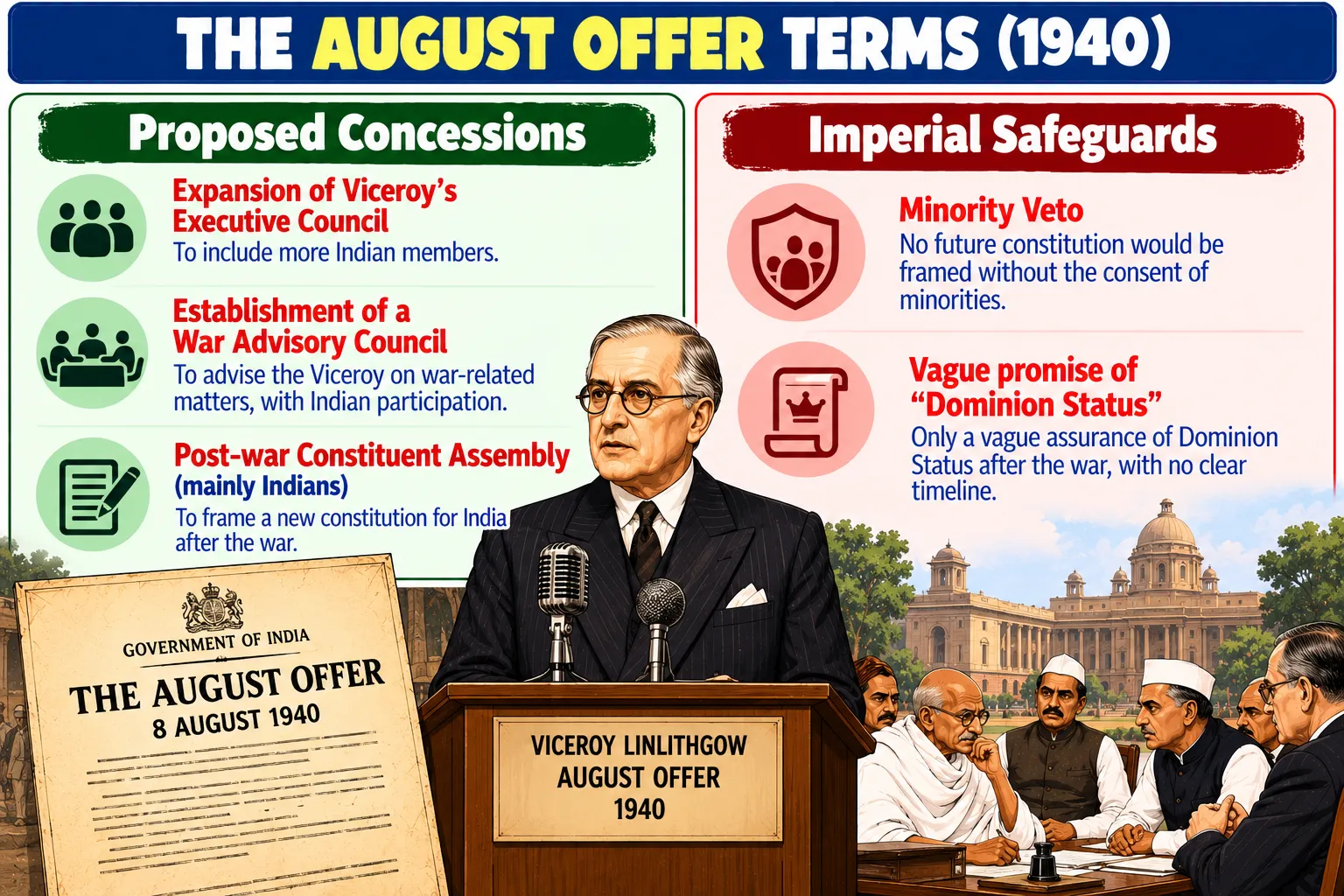 Figure 3: Proposed Concessions and Imperial Safeguards of the August Offer
B. Viceroy Linlithgow’s “August Offer” (August 8, 1940)
With the collapse of France and the Battle of Britain raging in the skies of Europe, the British War Cabinet under Prime Minister Winston Churchill sought to placate Indian political opinion. On August 8, 1940, Viceroy Lord Linlithgow issued an official statement known as the August Offer:
- 1. Constituent Assembly: Promised that framing a new constitution after the war would be primarily the responsibility of Indians themselves.
- 2. Executive Council Expansion: Proposed immediate expansion of the Governor-General’s Executive Council to include a majority of Indian representatives, alongside the establishment of an Advisory War Council.
- 3. Minority Veto: The British government gave an explicit guarantee to the minorities, asserting that power would not be transferred to any system whose authority was directly denied by large and powerful elements in India’s national life, coupled with a vague assurance of post-war “Dominion Status.”
Why the August Offer Failed:
- The Congress Rejection: Jawaharlal Nehru remarked that the offer’s promise of “Dominion Status” was “as dead as a doornail.” The Congress insisted on complete independence (Purna Swaraj) and rejected the minority veto, arguing that it gave reactionary forces an absolute chokehold over constitutional progress.
- The Muslim League Rejection: The League rejected the offer because it did not provide a clear, unequivocal assurance regarding the partition of India into Pakistan.
2. The Individual Satyagraha (1940 – 1941 CE)
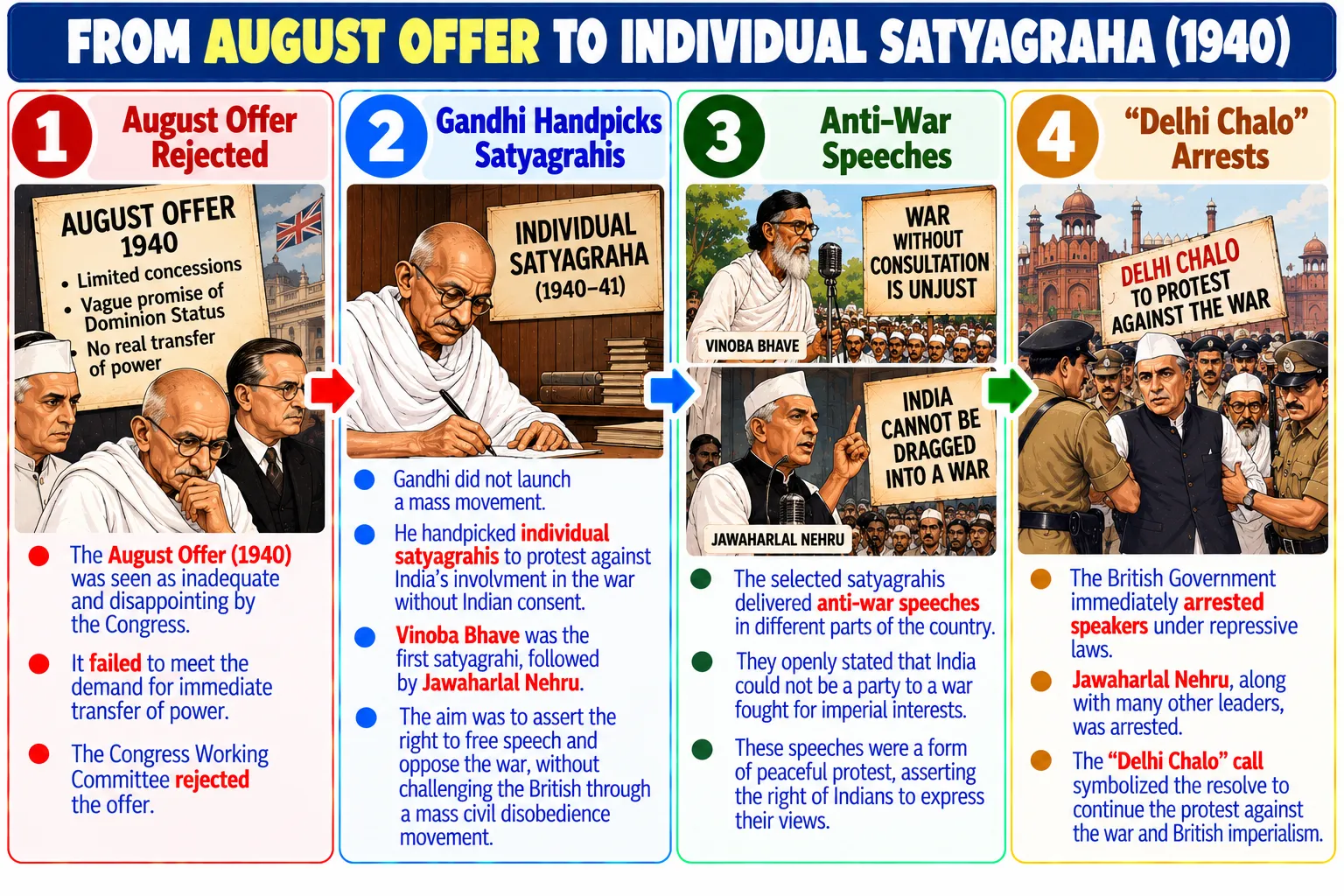 Figure 4: Sequence from the Rejection of August Offer to the Delhi Chalo Agitation
Faced with British obstinacy, the Congress leadership debated launching a massive civil disobedience movement. However, Mahatma Gandhi was reluctant to initiate a full-scale mass agitation that could disrupt the Allied war effort against fascism or lead to uncontrollable domestic violence. Instead, Gandhi devised the innovative, limited moral weapon of Individual Satyagraha (also termed the “Delhi Chalo Movement”):
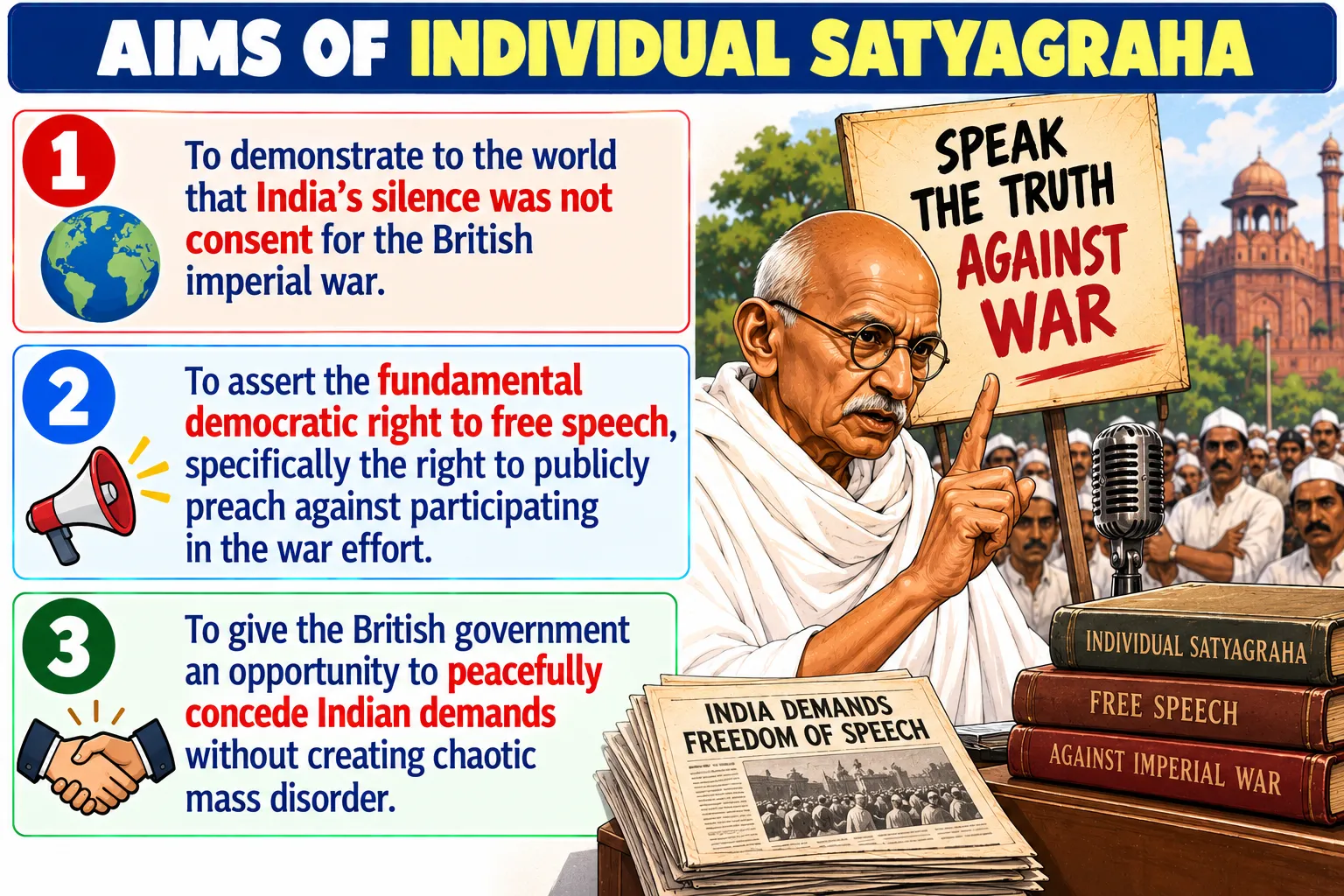 Figure 5: Moral and Political Objectives of Gandhi’s Individual Satyagraha
- To demonstrate to the world that India’s silence was not consent for the British imperial war.
- To assert the fundamental democratic right to free speech, specifically the right to publicly preach against participating in the war effort.
- To give the British government an opportunity to peacefully concede Indian demands without creating chaotic mass disorder.
A. The Course of the Movement
- Modus Operandi: Gandhi personally handpicked disciplined satyagrahis. Each satyagrahi informed the local district magistrate in advance of the time and place where they would deliver a public anti-war declaration:
“It is wrong to help the British war effort with men or money. The only worthy effort is to resist all war with non-violent resistance.”
- If not arrested immediately, the satyagrahis began a symbolic march toward Delhi, giving the campaign its popular slogan: “Delhi Chalo!”
B. The Key Martyrs of Conscience
- 1. First Satyagrahi: Acharya Vinoba Bhave inaugurated the movement on October 17, 1940, by offering satyagraha at Paunar Ashram (Maharashtra). He was arrested and sentenced to three months of imprisonment.
- 2. Second Satyagrahi: Jawaharlal Nehru offered satyagraha on November 7, 1940, and was promptly arrested and sentenced to four years.
- 3. Third Satyagrahi: Brahma Datt, an inmate of Gandhi’s ashram.
By May 1941, over 25,000 individual satyagrahis across India had been arrested and imprisoned. Satisfied that India’s moral protest had been recorded globally, the Congress suspended the movement in December 1941 following the release of prisoners.
3. The Cripps Mission (1942 CE)
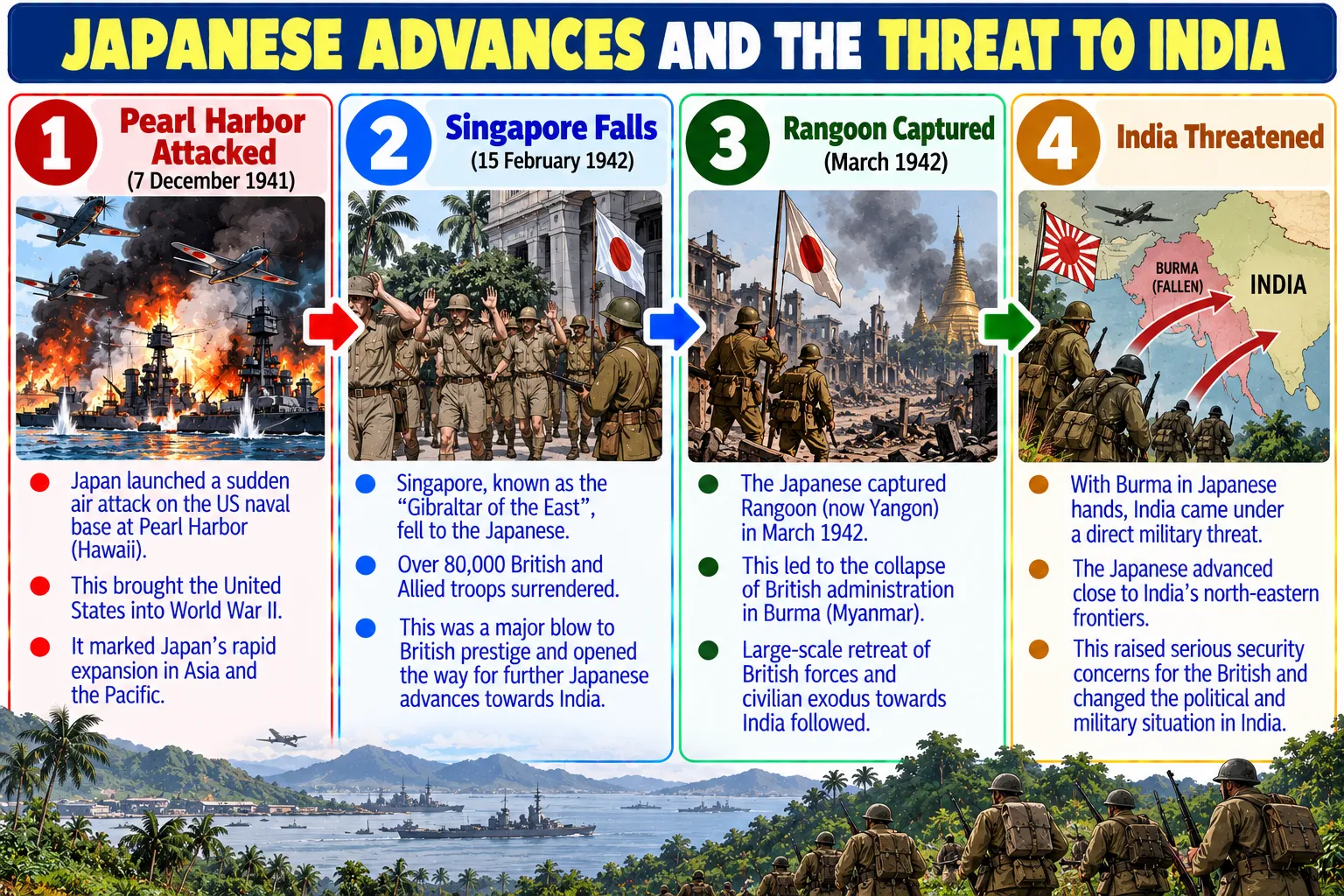 Figure 6: Strategic Shift in WWII Compelling British Constitutional Overtures
A. The Geopolitical Crisis of Early 1942
By early 1942, the geopolitical landscape of World War II had shifted alarmingly against the British Empire:
- Japanese Blitzkrieg: Japan entered the war, attacked Pearl Harbor, and rapidly swept through Southeast Asia, capturing the British strongholds of Malaya, Singapore, and Indonesia.
- Fall of Rangoon (March 1942): Japanese imperial forces captured Rangoon (Burma), bringing foreign troops and bombers to India’s northeastern frontier.
- Allied Pressure: U.S. President Franklin D. Roosevelt, Chinese Premier Chiang Kai-shek, and the British Labour Party pressured Winston Churchill to resolve the Indian political deadlock and mobilize Indian manpower and industrial resources.
To demonstrate a show of goodwill, Churchill dispatched a member of the British War Cabinet, Sir Stafford Cripps (a prominent, left-leaning Labour leader friendly with Nehru), to India in March 1942.
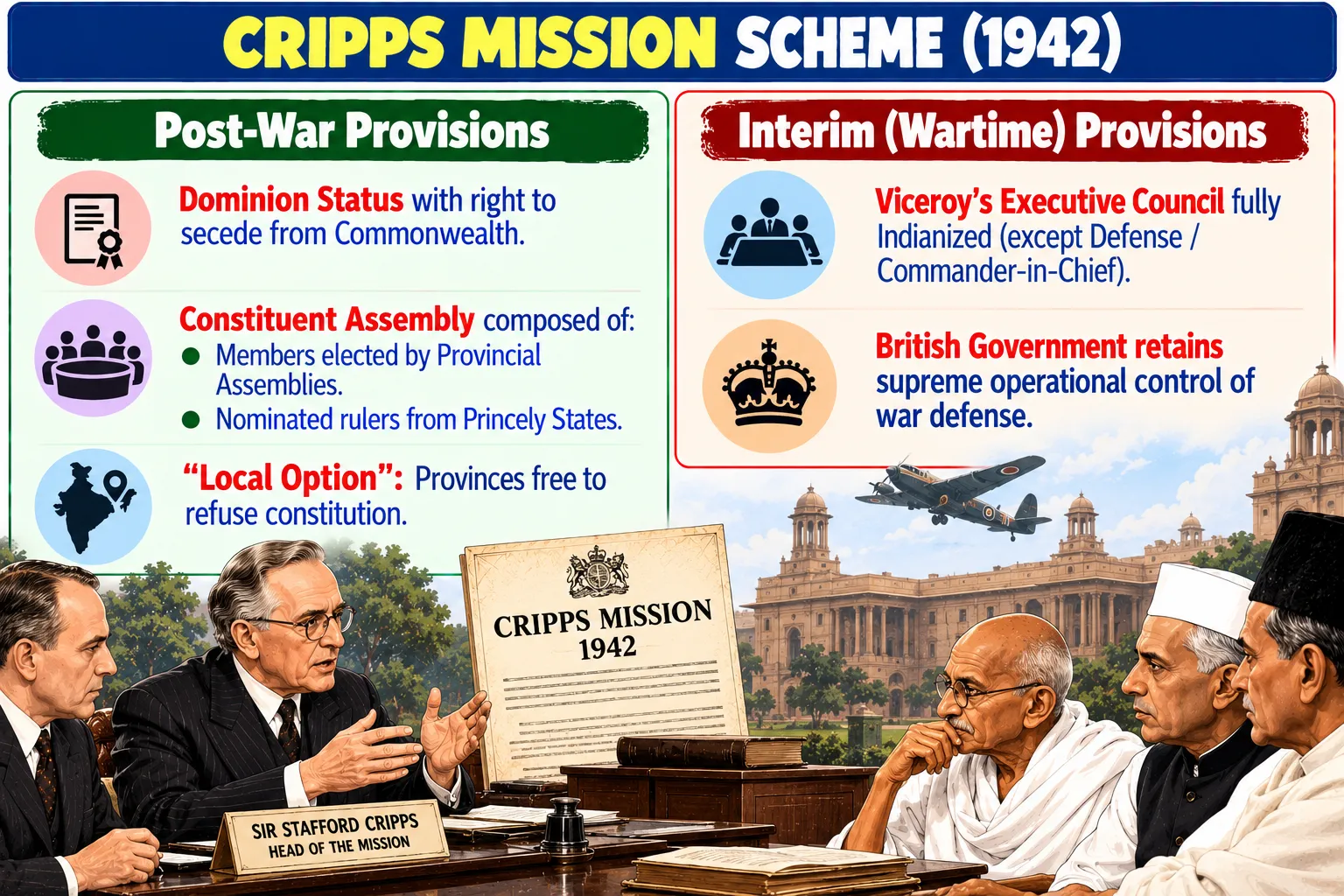 Figure 7: Summary of Post-War and Interim Provisions of the Cripps Offer
B. Proposals of the Cripps Mission
Sir Stafford Cripps arrived in New Delhi on March 22, 1942, and presented a Draft Declaration:
- 1. Post-War Dominion Status: India would be granted Dominion Status with the legal freedom to remain in or secede from the British Commonwealth.
- 2. Constitution-Making Body: Immediately after the war, an all-Indian Constituent Assembly would be set up. Members from British Indian provinces would be elected via proportional representation, while princely states would nominate their representatives.
- 3. The “Non-Accession” Clause (Right to Secede): Any province that was unwilling to accept the new national constitution would have the right to sign a separate treaty with Britain, retaining its existing constitutional status or framing its own separate constitution.
- 4. Interim Provisions: Viceroy’s Executive Council would be fully Indianized (except Defense / Commander-in-Chief), with the British Government retaining supreme operational control of war defense.
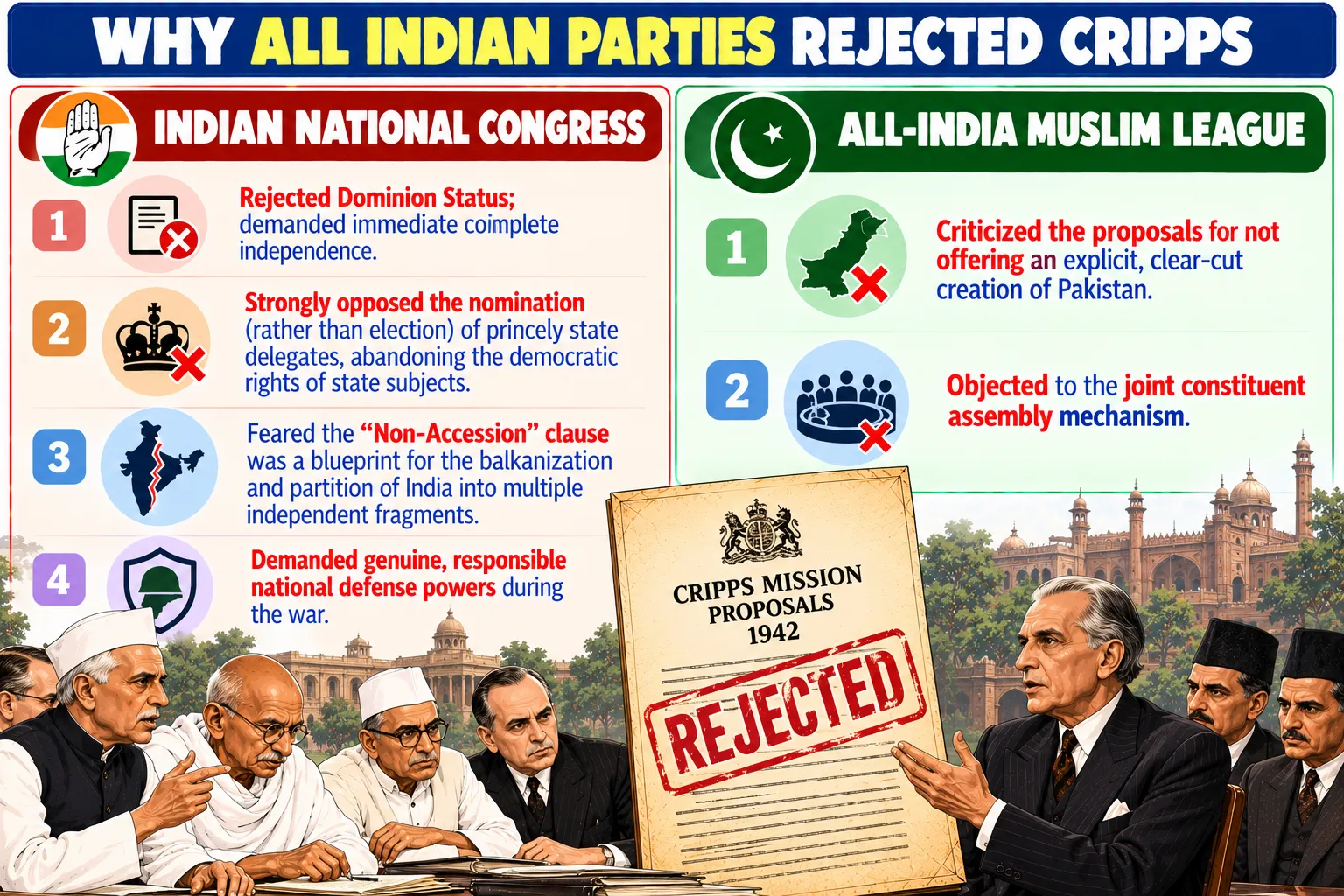 Figure 8: Core Objections of Congress and the Muslim League to the Cripps Scheme
Indian National Congress:
- Rejected Dominion Status; demanded immediate complete independence.
- Strongly opposed the nomination (rather than election) of princely state delegates, abandoning the democratic rights of state subjects.
- Feared the “Non-Accession” clause was a blueprint for the balkanization and partition of India into multiple independent fragments.
- Demanded genuine, responsible national defense powers during the war.
All-India Muslim League:
- Criticized the proposals for not offering an explicit, clear-cut creation of Pakistan.
- Objected to the joint constituent assembly mechanism.
Gandhi’s Famous Reaction: Mahatma Gandhi condemned the proposals, famously calling the offer “a post-dated cheque on a crashing bank.” (A nationalist journalist added: “on a crashing bank”).
The Cripps Mission collapsed on April 11, 1942, when Cripps abruptly packed his bags and flew back to London, leaving Indian leaders bitter, disillusioned, and fearful of an imminent Japanese invasion.
4. The Quit India Movement (1942 – 1944 CE)
The abrupt failure of the Cripps Mission shattered Indian faith in British intentions. Simultaneously, the British administration in Assam and Bengal had implemented a scorched-earth policy (destroying river boats and food reserves to slow potential Japanese invaders), causing economic hardship and food scarcity.
Gandhi concluded that the presence of British power in India was an active invitation for Japan to invade: “Leave India to God. If that is too much, then leave her to anarchy… This orderly disciplined anarchy should go.”
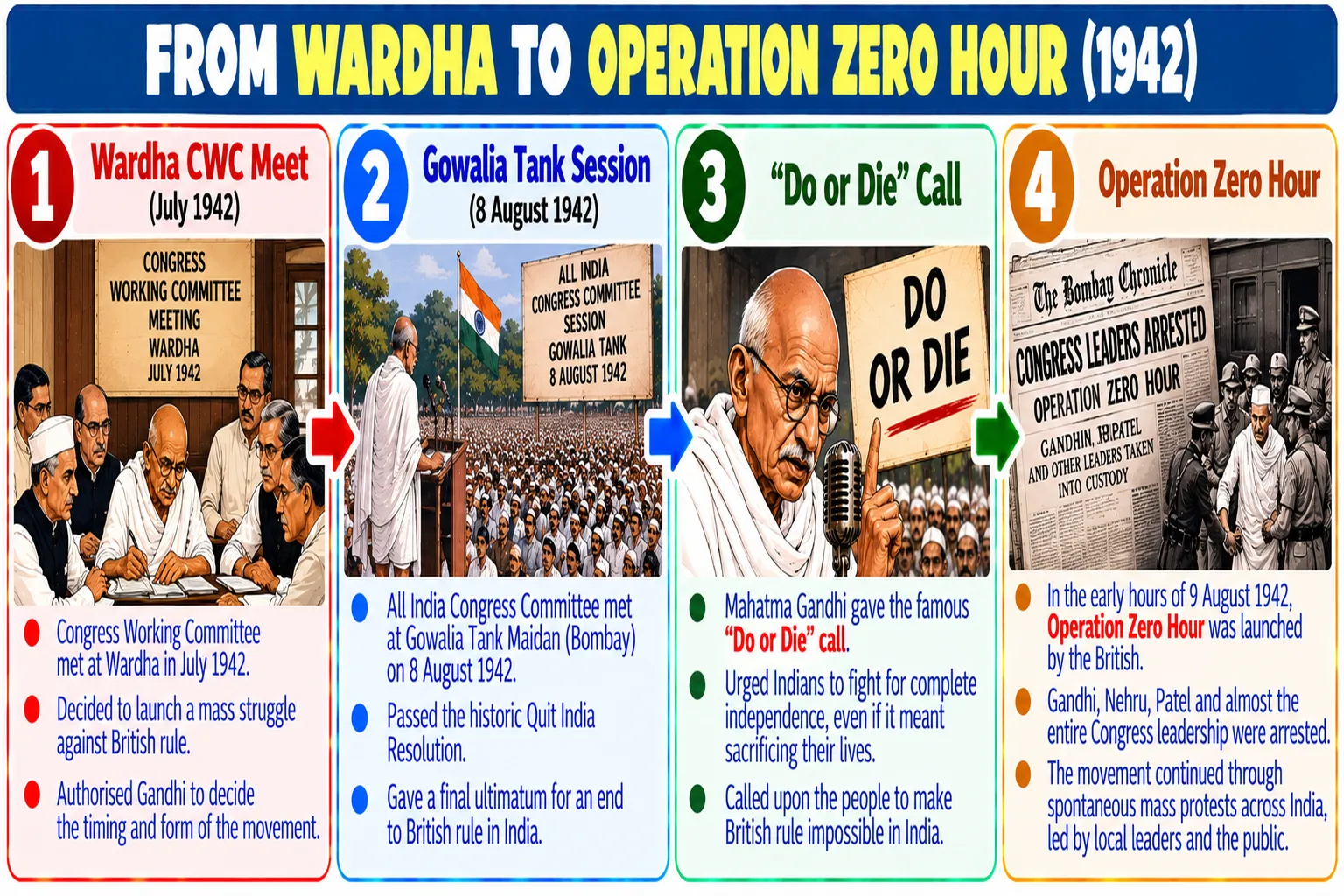 Figure 9: Sequence Leading from the Quit India Resolution to Midnight Crackdown
A. The Historic Gowalia Tank Resolution (August 8, 1942)
The All-India Congress Committee (AICC) met at Gowalia Tank Maidan (now August Kranti Maidan) in Bombay on August 8, 1942, formally ratifying the Quit India Resolution:
- Demands of the Resolution:
- An immediate end to British rule in India.
- Proclamation of the commitment of free India to defend herself against all forms of fascism and imperialism.
- Formation of an interim national government representing all political groups.
- Sanctioning the launch of a non-violent mass struggle under the supreme leadership of Mahatma Gandhi.
- Gandhi’s Historic Mantra — “Do or Die”: Delivering an impassioned two-hour address to the packed assembly, Mahatma Gandhi proclaimed:
“Here is a mantra, a short one, that I give you. You may imprint it on your hearts and let every breath of yours give expression to it. The mantra is: ‘DO OR DIE’ (Karo ya Maro). We shall either free India or die in the attempt; we shall not live to see the perpetuation of our slavery.”
B. “Operation Zero Hour” and the Spontaneous Mass Uprising
The colonial state was prepared for total repression. In the pre-dawn hours of August 9, 1942, under a secret police strike codenamed “Operation Zero Hour”, the entire top leadership of the Congress was arrested:
- Mahatma Gandhi, Kasturba Gandhi, and Sarojini Naidu were imprisoned at the Aga Khan Palace in Poona.
- Members of the Congress Working Committee—including Jawaharlal Nehru, Sardar Vallabhbhai Patel, Maulana Abul Kalam Azad, and Dr. Rajendra Prasad—were lodged inside the Ahmednagar Fort Jail and Bankipore Jail (Patna).
- The Congress was declared an illegal organization, its funds were frozen, and its offices were sealed nationwide.
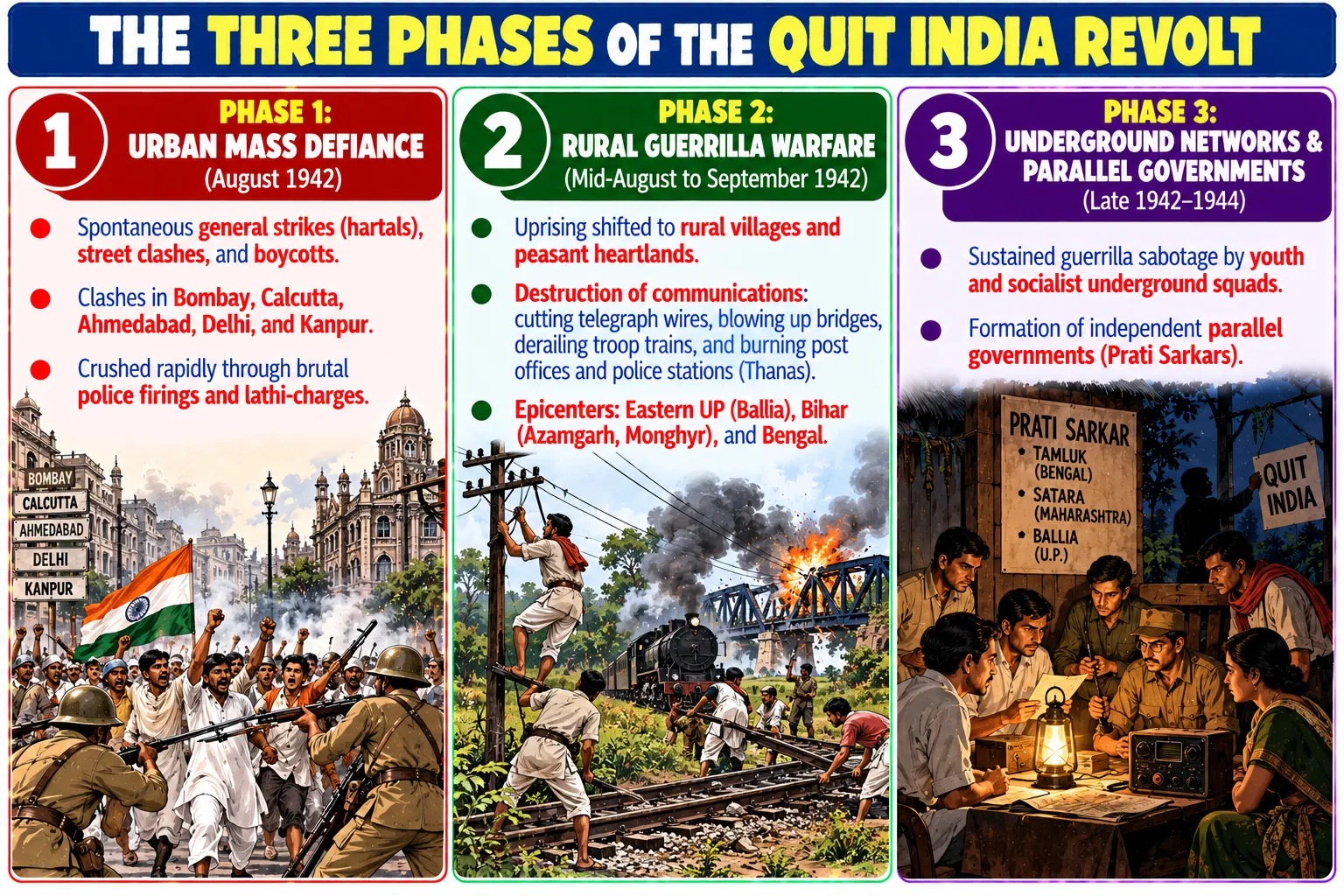 Figure 10: Urban Defiance, Peasant Insurrection, and Underground Resistance
Phase 1: Urban Mass Defiance (August 1942)
- Spontaneous general strikes (hartals), street clashes, and boycotts.
- Clashes in Bombay, Calcutta, Ahmedabad, Delhi, and Kanpur.
- Crushed rapidly through brutal police firings and lathi-charges.
Phase 2: Rural Guerrilla Warfare (Mid-August to September 1942)
- Uprising shifted to rural villages and peasant heartlands.
- Destruction of communications: cutting telegraph wires, blowing up bridges, derailing troop trains, and burning post offices and police stations (Thanas).
- Epicenters: Eastern UP (Ballia), Bihar (Azamgarh, Monghyr), and Bengal.
Phase 3: Underground Networks & Parallel Governments (Late 1942–1944)
- Sustained guerrilla sabotage by youth and socialist underground squads.
- Formation of independent parallel governments (Prati Sarkars).
C. The Heroes of the Underground Resistance
With senior leaders in jail, young radical socialists of the Congress Socialist Party (CSP) took operational charge of the movement:
- Jayaprakash Narayan (JP): Made an escape from the high-security Hazaribagh Central Jail on Diwali night (1942), organized an armed guerrilla resistance force on the Nepal border called the Azad Dasta, and coordinated sabotage across northern India.
- Aruna Asaf Ali: Famously unfurled the Indian National Flag at the Gowalia Tank Maidan on August 9, 1942, evading British arrest to direct the underground movement, earning the title “Heroine of the 1942 Movement”.
- Usha Mehta & The Secret Congress Radio: A 22-year-old student, Usha Mehta, alongside Babubhai Khakar and Ram Manohar Lohia, operated an illicit clandestine radio transmitter (Secret Congress Radio) broadcasting at 42.34 metres. The station beamed uncensored news of British atrocities and Gandhi’s messages across India before being raided by police in November 1942.
- Ram Manohar Lohia, Sucheta Kripalani, Biju Patnaik, and Achyut Patwardhan: Coordinated arms supplies, literature, and legal relief.
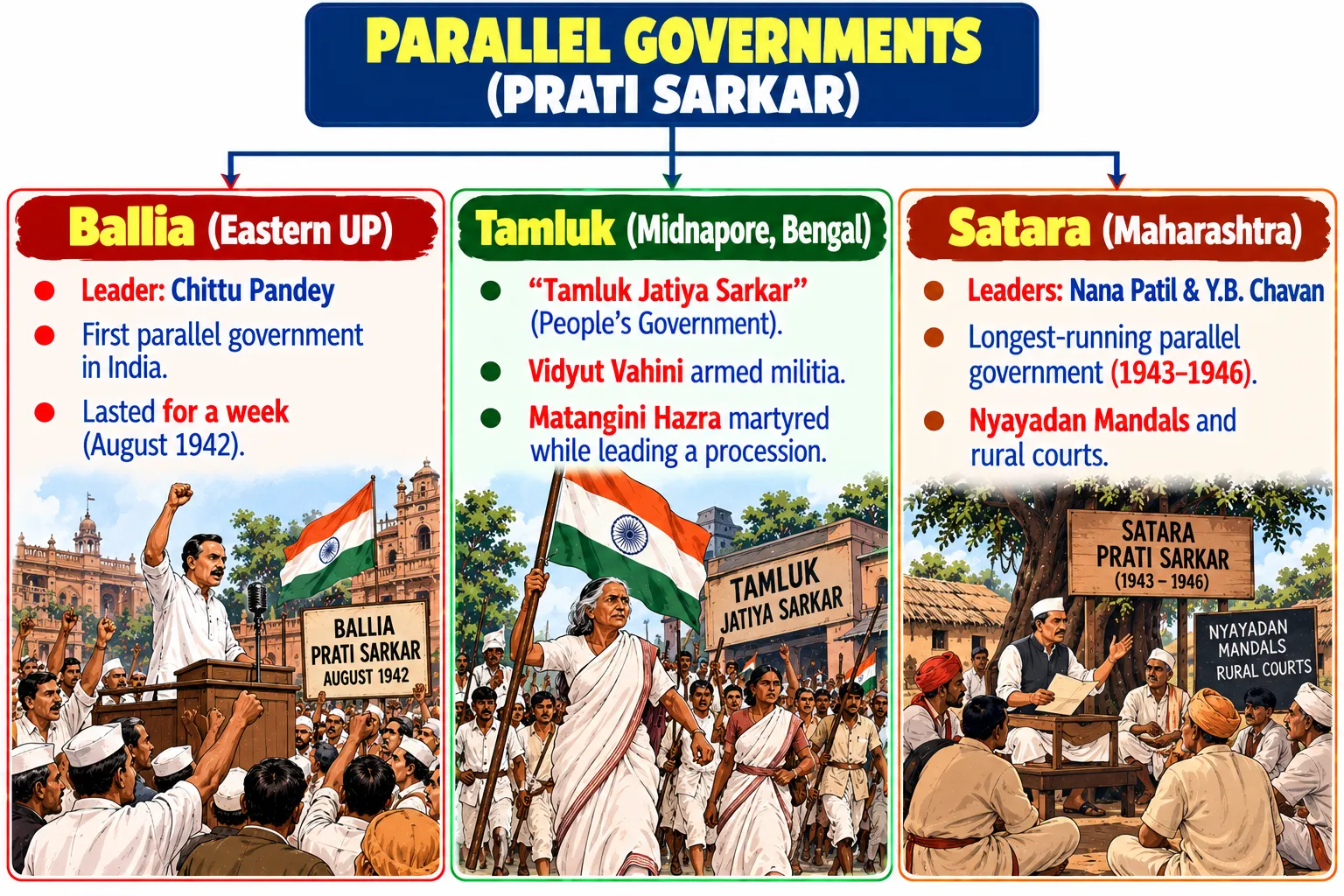 Figure 11: Revolutionary People’s Governments Established During the Revolt
D. The Parallel Governments (Prati Sarkars)
In several rural districts, rebels successfully drove out colonial authorities and established sovereign self-governing administrations:
- 1. Ballia (Uttar Pradesh – August 1942): Led by Chittu Pandey (who proclaimed himself the district administrator). Released all political prisoners from jail before British military columns re-occupied the town after a week.
- 2. Tamluk (Midnapore, West Bengal – Dec 1942 – Sept 1944): The Tamluk Jatiya Sarkar organized cyclone relief, set up independent arbitration courts, and maintained an armed volunteer wing called the Vidyut Vahini.
- Martyrdom of Matangini Hazra: On September 29, 1942, a 73-year-old peasant woman named Matangini Hazra (affectionately remembered as Gandhiburhi) led a procession of 6,000 protesters toward the Tamluk police station. Shot repeatedly by British police, she died holding the national flag aloft and shouting “Vande Mataram”.
- 3. Satara (Maharashtra – Mid-1943 to 1946): Named Prati Sarkar, led by Nana Patil and Y.B. Chavan. It was the longest-running parallel government, organizing people’s courts (Nyayadan Mandals), grain banks, and prohibition enforcement.
- 4. Talcher (Odisha): Peasants dissolved government authority until British air strikes subdued the region.
5. Colonial Repression and the Bengal Famine of 1943
A. Ruthless State Suppression
The British administration under Lord Linlithgow responded with brutal force:
- The army and police fired upon unarmed crowds over 500 times, killing more than 1,000 citizens within months.
- Aircraft were deployed to machine-gun fleeing crowds in Bihar (Patna and Monghyr).
- Entire villages were burned, collective fines exceeding ₹90 lakh were extorted from rural peasants, and over 100,000 people were incarcerated.
- Gandhi’s 21-Day Fast (February 1943): Imprisoned inside the Aga Khan Palace, Gandhi began a 21-day fast to protest against state violence. Despite his deteriorating health, Churchill’s government refused to release him. During this imprisonment, Gandhi suffered the personal losses of his personal secretary Mahadev Desai and his wife Kasturba Gandhi, who both died inside the palace. Gandhi was released on medical grounds in May 1944.
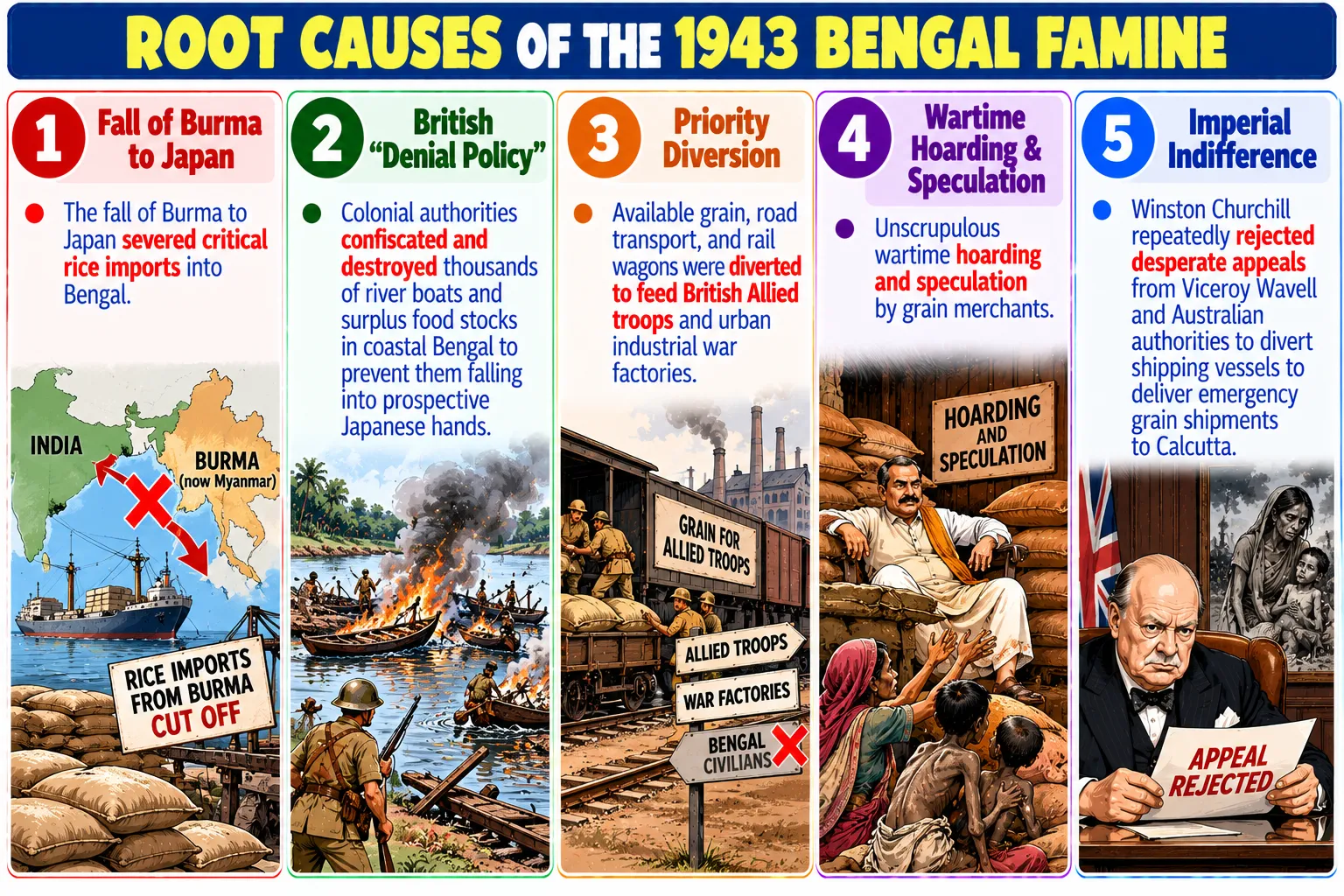 Figure 12: Administrative and Geopolitical Factors Behind the 1943 Bengal Famine
B. The Man-Made Bengal Famine (1943 CE)
While India was convulsed by political turmoil, a catastrophe struck Bengal: the Bengal Famine of 1943, resulting in the agonizing death of an estimated 1.5 to 3 million people from starvation, malnutrition, and disease:
- The fall of Burma to Japan severed critical rice imports into Bengal.
- The British “Denial Policy”: Colonial authorities confiscated and destroyed thousands of river boats and surplus food stocks in coastal Bengal to prevent them falling into prospective Japanese hands.
- Priority Diversion: Available grain, road transport, and rail wagons were diverted to feed British Allied troops and urban industrial war factories.
- Unscrupulous wartime hoarding and speculation by grain merchants.
- Imperial Indifference: Winston Churchill repeatedly rejected desperate appeals from Viceroy Wavell and Australian authorities to divert shipping vessels to deliver emergency grain shipments to Calcutta.
6. Political Alignments During the Movement
The Quit India Movement highlighted deep political divisions over how to achieve independence:
| Political Group / Organization | Official Stance on Quit India Movement | Underlying Rationale |
|---|---|---|
| Indian National Congress (INC) | Spearheaded the Movement | Concluded that British rule was a liability inviting Japanese invasion; demanded immediate independence. |
| All-India Muslim League | Opposed the Movement | Jinnah boycotted the campaign, advising Muslims to stay aloof and coining the counter-slogan: “Divide and Quit!” |
| Communist Party of India (CPI) | Opposed the Movement | Supported the British war effort after Nazi Germany invaded the Soviet Union in 1941, declaring it a “People’s War.” |
| Hindu Mahasabha & RSS | Opposed the Movement | V.D. Savarkar directed members to stick to their jobs and avoid agitational friction with the British administration. |
| Dr. B.R. Ambedkar | Opposed the Movement | Believed the sudden withdrawal of Britain during the war would lead to an unchecked upper-caste monopoly of power. |
| Princely States’ Rulers | Supported the British | Provided finances, supplies, and troops to maintain their dynastic status under British protection. |
7. Quick Examination Facts
| Topic / Milestone | Key Exam Fact |
|---|---|
| Date of the Muslim League’s Lahore Resolution | March 23, 1940 (Drafted by Sikandar Hayat Khan, moved by Fazlul Huq) |
| Date of Linlithgow’s August Offer | August 8, 1940 (Offered Dominion status & minority veto) |
| Date Individual Satyagraha Commenced | October 17, 1940 at Paunar Ashram, Maharashtra |
| First Individual Satyagrahi Selected by Gandhi | Acharya Vinoba Bhave |
| Second Individual Satyagrahi | Jawaharlal Nehru |
| Slogan of the Individual Satyagraha | “Delhi Chalo” |
| British Prime Minister Dispatched Cripps Mission | Winston Churchill (March 1942) |
| Head of the Cripps Mission | Sir Stafford Cripps (Member of the British War Cabinet) |
| Gandhi’s Famous Characterization of Cripps Offer | “A post-dated cheque on a crashing bank” |
| Date of the Historic Quit India Resolution | August 8, 1942 at Gowalia Tank Maidan (August Kranti Maidan), Bombay |
| Mahatma Gandhi’s Slogan at Gowalia Tank | “DO OR DIE” (Karo ya Maro) |
| Codenamed Police Strike Arresting Congress Leaders | “Operation Zero Hour” (Pre-dawn of August 9, 1942) |
| Jail Where Mahatma Gandhi Was Interned (1942) | Aga Khan Palace in Poona (Kasturba & Mahadev Desai died here) |
| Jail Where CWC Members Were Interned (1942) | Ahmednagar Fort Jail (Nehru, Patel, Azad) |
| Leader of the “Secret Congress Radio” | Usha Mehta (Broadcast at 42.34 metres) |
| Founder of the Guerrilla “Azad Dasta” in Nepal | Jayaprakash Narayan (JP) (Escaped from Hazaribagh Jail) |
| Heroine Known as the “Grand Old Lady of 1942” | Aruna Asaf Ali (Hoisted the tricolour at Gowalia Tank) |
| First Parallel Government Formed in 1942 | Ballia, Uttar Pradesh (Led by Chittu Pandey) |
| Longest Running Parallel Government (1943–46) | Satara, Maharashtra (Led by Nana Patil & Y.B. Chavan) |
| 73-Year-Old Woman Martyred at Tamluk (Bengal) | Matangini Hazra (Gandhiburhi) |
| Counter-Slogan of the Muslim League in 1942 | “Divide and Quit!” (Propounded by Muhammad Ali Jinnah) |
8. Conclusion
The Quit India Movement was suppressed within two years by state power. Yet, it dealt a mortal blow to the British Raj.
First, it demonstrated that British rule had lost all remaining legitimacy; the Raj could no longer govern India by consent, but solely through armed military force. Second, the movement proved that the Indian masses—peasants, factory laborers, students, and women—could organize sustained armed and underground resistance without centralized leadership. Finally, coming alongside Subhas Chandra Bose’s Indian National Army (INA) campaigns on the Burma border, the Quit India revolt made it evident to the British War Cabinet that after the conclusion of World War II, retaining control over an awakened subcontinent of 400 million people was militarily, financially, and politically impossible.
August Offer, Cripps Mission and Quit India Movement (1940 – 1944 CE)
Practice Quiz • 15 MCQs