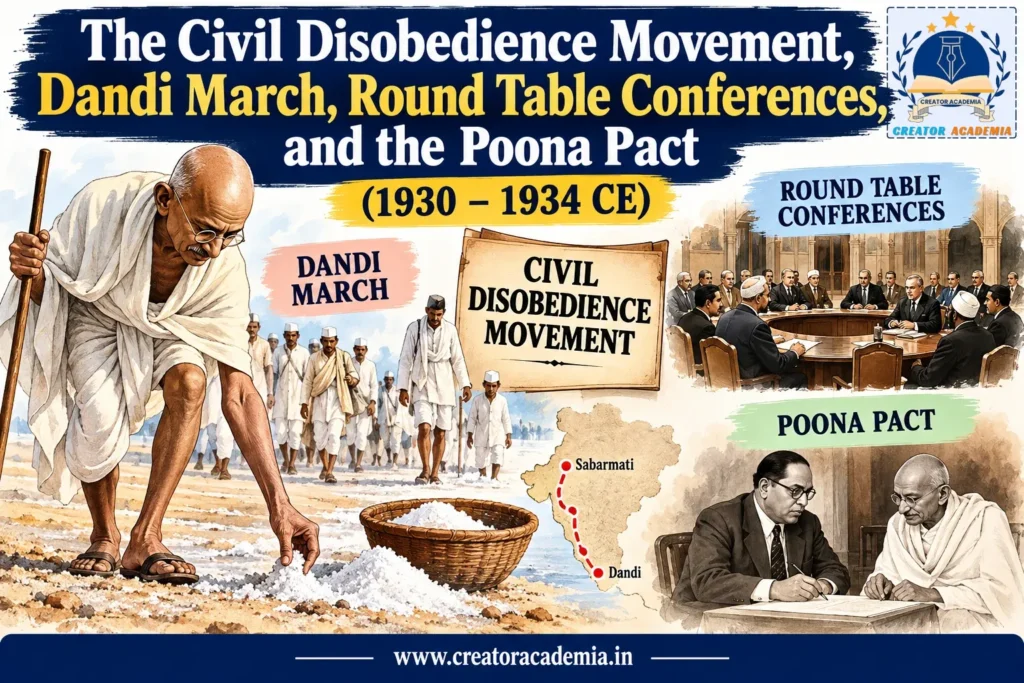
The Civil Disobedience Movement, Dandi March, Round Table Conferences, and the Poona Pact (1930 – 1934 CE)
Unlike the Non-Cooperation Movement (1920–1922), which aimed to paralyze colonial governance through non-violent non-participation, the Civil Disobedience Movement (CDM) went a decisive step further: it aimed to deliberately, openly, and non-violently breach discriminatory colonial laws, beginning with the state monopoly on salt. The period from 1930 to 1934 shook the British Empire, compelling the colonial government to negotiate directly with Indian leaders on an equal footing across three Round Table Conferences in London, resulting in the Gandhi-Irwin Pact (1931), the controversial Communal Award, and the landmark Poona Pact (1932).
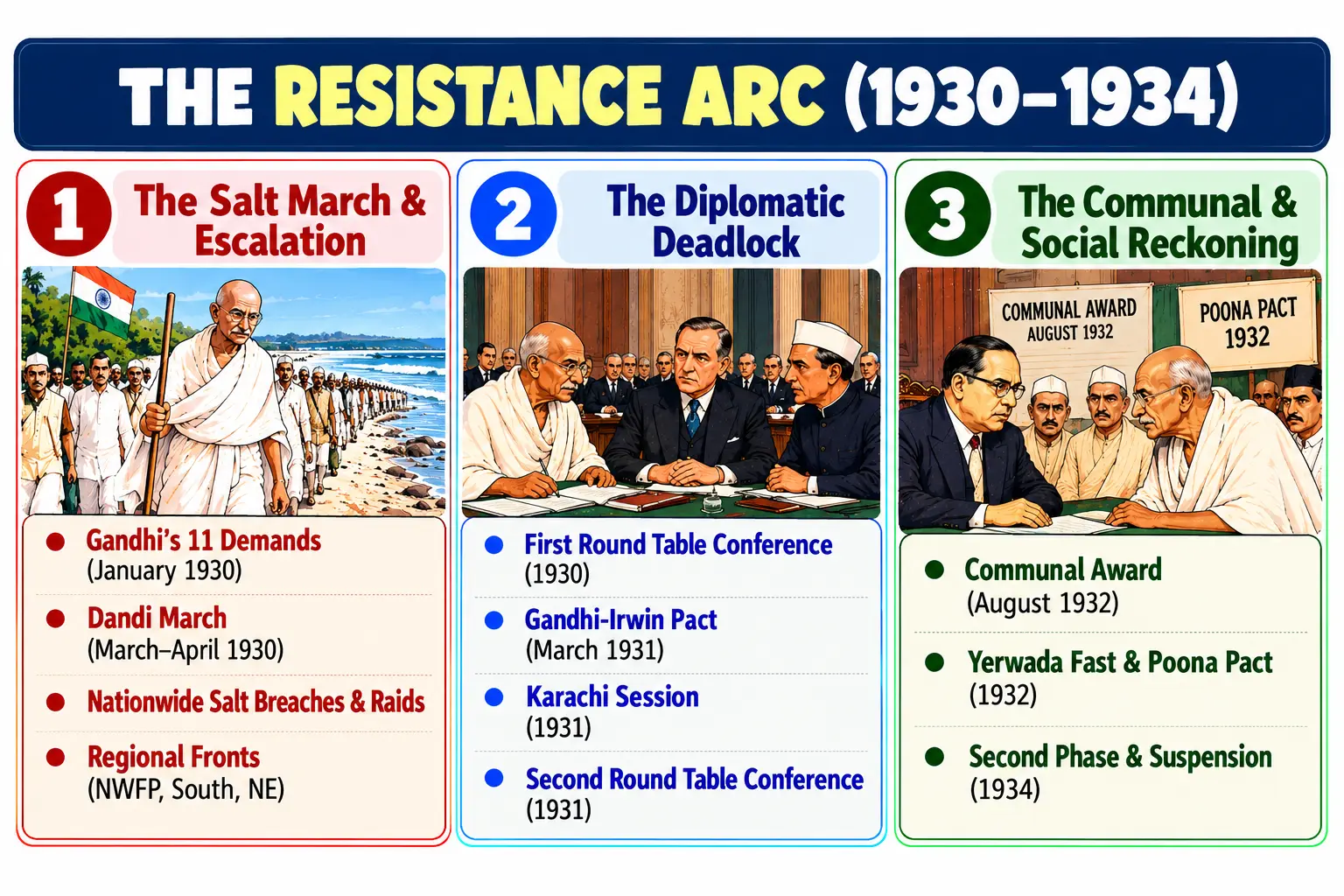 Figure 1: Strategic Progression of the Civil Disobedience Movement (1930–1934)
- The Salt March & Escalation: Gandhi’s Eleven Demands, the historic 240-mile trek from Sabarmati to Dandi, and widespread salt law breaches across maritime and inland provinces.
- The Diplomatic Deadlock: First Round Table Conference boycott, bilateral negotiations in the Gandhi-Irwin Pact, the Karachi session charter, and deadlock at the Second RTC in London.
- The Communal & Social Reckoning: British announcement of the Communal Award (1932), Gandhi’s fast unto death, the historic Poona Pact compromise with Dr. B.R. Ambedkar, and subsequent mass movement withdrawal.
1. Genesis of the Movement: The Eleven Demands and the Salt Monopoly
Before launching direct civil disobedience, Mahatma Gandhi offered the colonial administration a final opportunity for negotiated settlement.
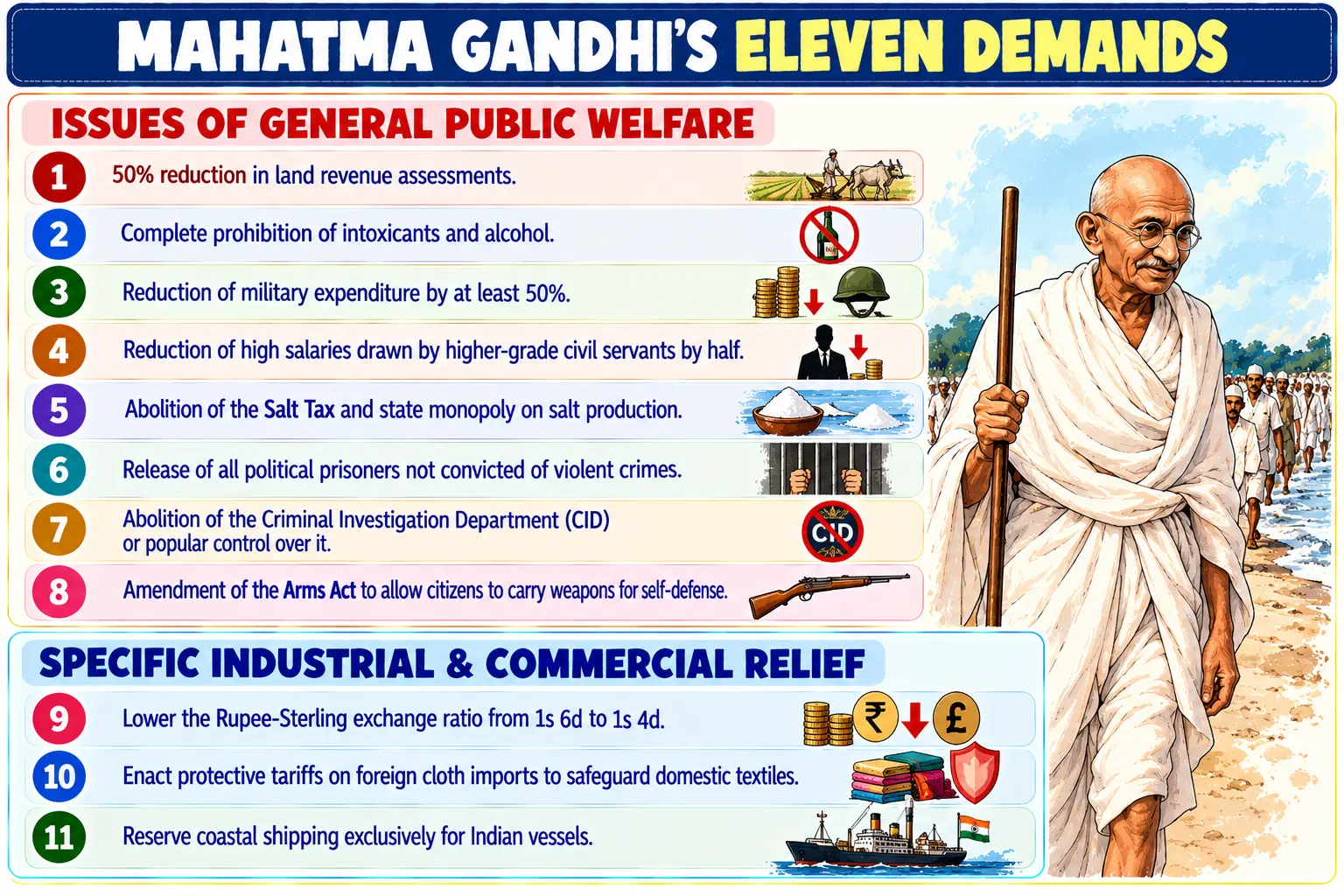 Figure 2: Three Categories of Demands Submitted to Viceroy Lord Irwin
Issues of General Public Welfare:
- 50% reduction in land revenue assessments.
- Complete prohibition of alcohol and intoxicants.
- Reduction of military expenditure by at least 50%.
- Reduction of high bureaucratic salaries by half.
- Abolition of the salt tax and government salt monopoly.
- Release of all political prisoners not convicted of violence.
- Abolition of or public control over the Criminal Investigation Department (CID).
- Amendment of the Arms Act to permit weapons for self-defense.
Specific Industrial & Commercial Relief:
- Lower the Rupee-Sterling exchange ratio from 1s 6d to 1s 4d.
- Enact protective customs tariffs on imported foreign textiles.
- Reserve coastal shipping exclusively for Indian vessels.
- Strategic Inclusivity: Gandhi framed demands connecting all major social strata: peasants (land revenue and salt tax), industrial merchants (currency exchange and textile tariffs), and political workers (civil liberties and political release).
- The Colonial Silence: Lord Irwin offered no positive response. On March 2, 1930, Gandhi wrote to the Viceroy: “On bended knees I asked for bread and received a stone instead.”
B. Why Salt Was Chosen as the Central Symbol
- Universal Everyday Essential: Salt was an unavoidable necessity consumed daily across all income levels, religious communities, and castes.
- Manifestation of Injustice: Taxing a basic necessity provided freely by nature and barring ordinary citizens from gathering sea salt exposed colonial fiscal exploitation in tangible terms.
- Direct Mass Mobilization: Making salt required no complex training, enabling rural and urban households to participate in civil disobedience directly.
2. The Historic Dandi March and Nationwide Salt Satyagraha (1930 CE)
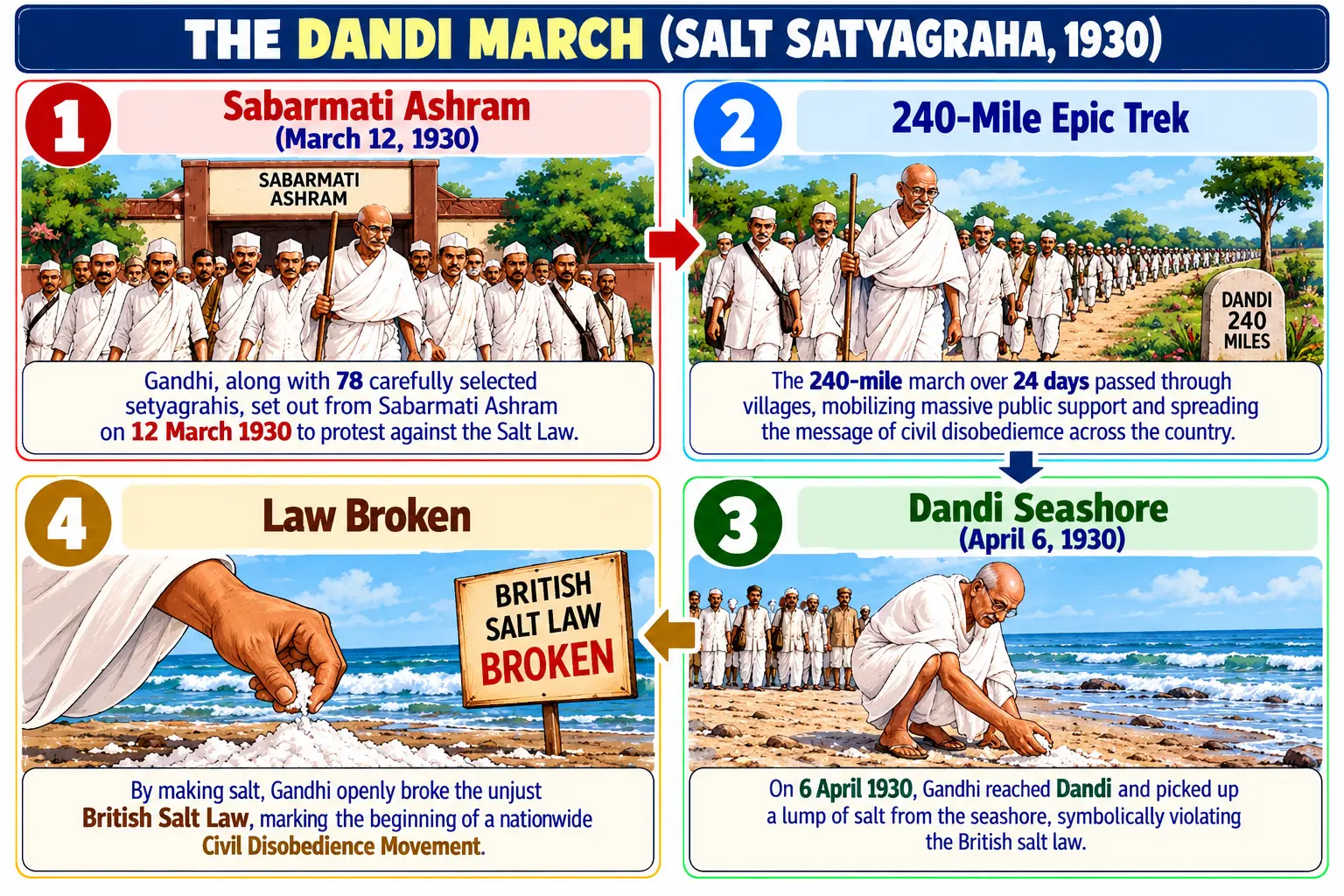 Figure 3: Four Stages of the Historic Dandi March to the Sea
A. The March to the Sea
- The Departure: On March 12, 1930, Gandhi set out on foot from Sabarmati Ashram in Ahmedabad accompanied by 78 satyagrahis representing diverse regions and backgrounds.
- The Route: The procession traveled 240 miles (385 km) across Gujarat over 24 days, mobilizing village communities along the way. Hundreds of village headmen (patels) resigned their posts in protest.
- Breaking the Law at Dandi: On the morning of April 6, 1930, following prayers, Gandhi collected natural salt from the shores of Dandi, declaring: “With this handful of salt, I am shaking the foundations of the British Empire.” This formal breach inaugurated the Civil Disobedience Movement nationwide.
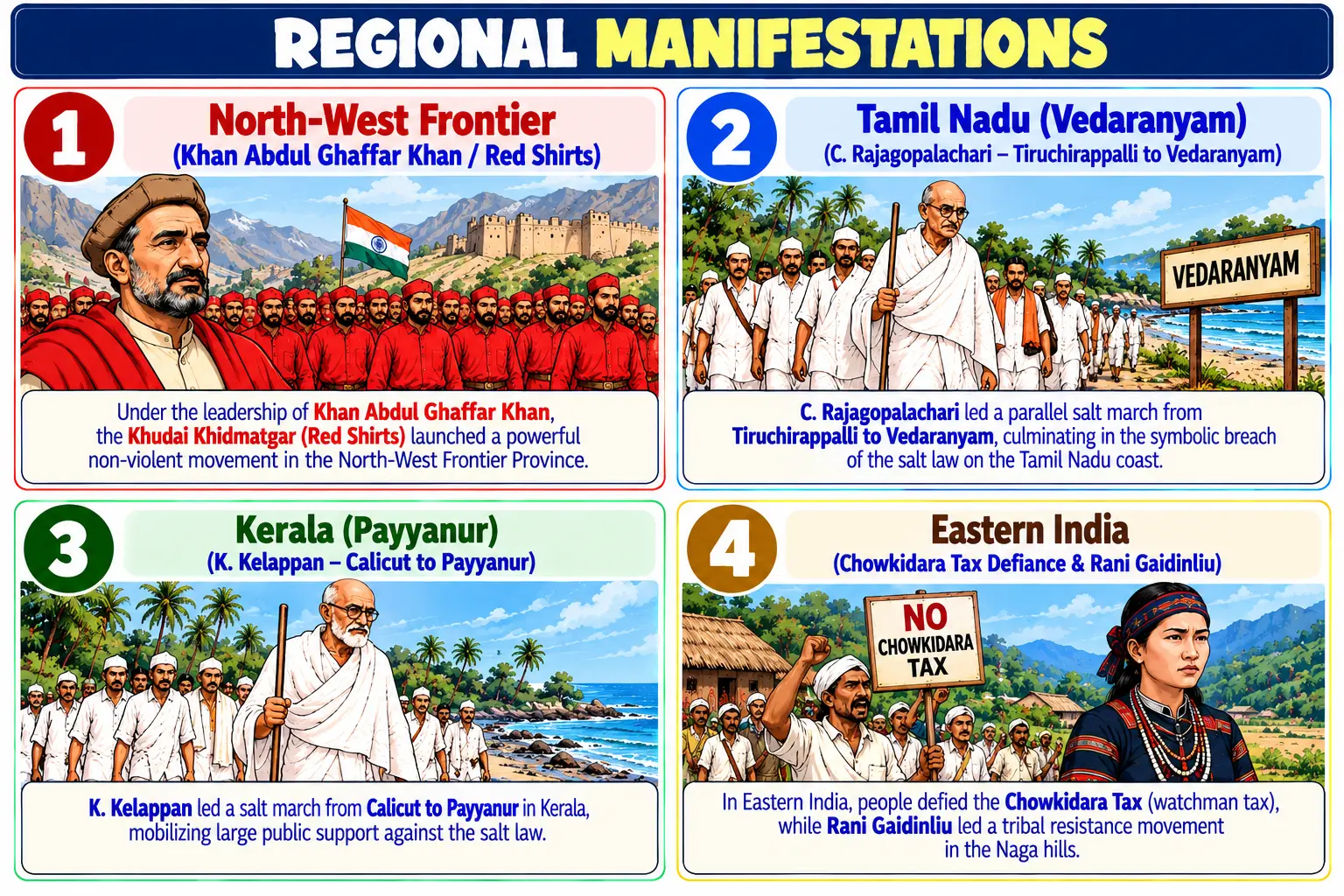 Figure 4: Pan-Indian Spread of Salt Satyagraha and Tax Resistance
B. Regional Manifestations of the Movement
- Tamil Nadu (Vedaranyam Salt March): C. Rajagopalachari led a contingent from Tiruchirappalli to Vedaranyam along the Tanjore coast, defying colonial prohibitions and facing imprisonment.
- Kerala (Malabar Coast): K. Kelappan (“Kerala Gandhi”) organized a march from Calicut to Payyanur to manufacture salt along the seashore.
- North-West Frontier Province (NWFP): Khan Abdul Ghaffar Khan (“Badshah Khan” or “Frontier Gandhi”) directed the non-violent volunteer corps Khudai Khidmatgars (“Red Shirts”). During the April 23, 1930 uprising in Peshawar, soldiers of the Royal Garhwal Rifles under Chandra Singh Garhwali refused orders to fire upon unarmed crowds.
- Dharasana Salt Works (Gujarat): On May 21, 1930, Sarojini Naidu, Manilal Gandhi, and Imam Saheb led over 2,500 unarmed volunteers in a peaceful raid on the government salt depot at Dharasana. American journalist Webb Miller documented the brutal police lathi-charge on passive volunteers, drawing international condemnation.
- Sholapur Industrial Uprising (Maharashtra): Protesting Gandhi’s arrest, textile mill workers in Sholapur went on strike, burnt administrative offices, and held control of the town until martial law was declared.
- Eastern India (No-Chowkidara Tax Campaign): In Bihar and Bengal, lacking access to sea coasts, rural communities refused payment of the oppressive Chowkidara tax despite widespread property confiscations.
- Northeast India (Manipur and Nagaland): A 13-year-old Naga leader, Rani Gaidinliu, initiated a tribal resistance movement against colonial rule, leading to her capture in 1932 and life imprisonment.
3. The First Round Table Conference and the Gandhi-Irwin Pact (1930 – 1931 CE)
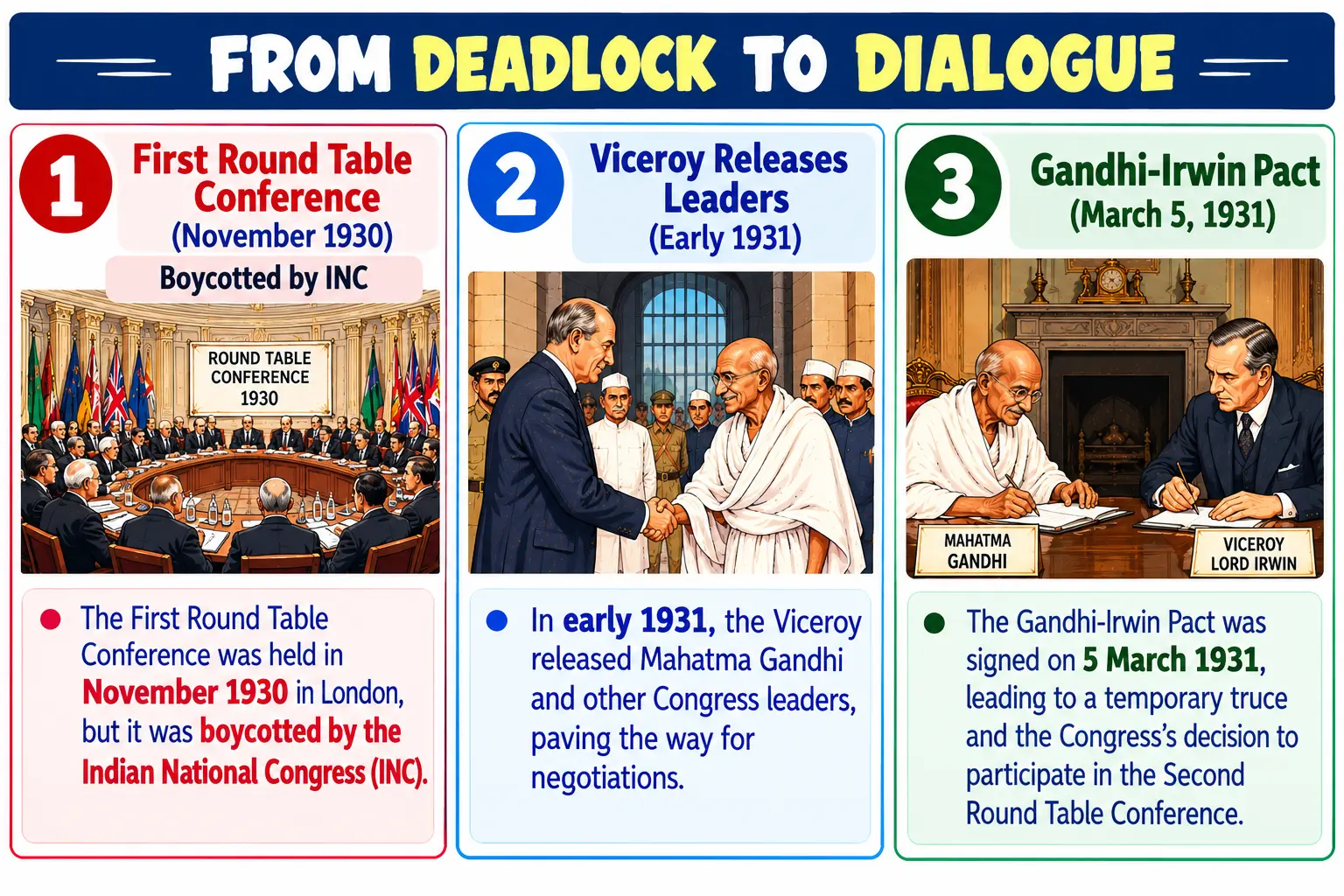 Figure 5: Diplomatic Thaw Leading to the Gandhi-Irwin Negotiations
A. The First Round Table Conference (November 1930 – January 1931)
- Context & Leadership: Convened in London under British Prime Minister Ramsay MacDonald and opened by King George V to discuss constitutional reforms based on the Simon Commission report.
- Congress Boycott: The Indian National Congress boycotted proceedings, focusing on active civil disobedience across India.
- Attendees: Attended by representatives of princely states, the Muslim League (Muhammad Ali Jinnah, Aga Khan), the Hindu Mahasabha (M.R. Jayakar, B.S. Moonje), the Liberals (Tej Bahadur Sapru), and the Depressed Classes (Dr. B.R. Ambedkar). Without Congress representation, the conference failed to produce a viable constitutional framework.
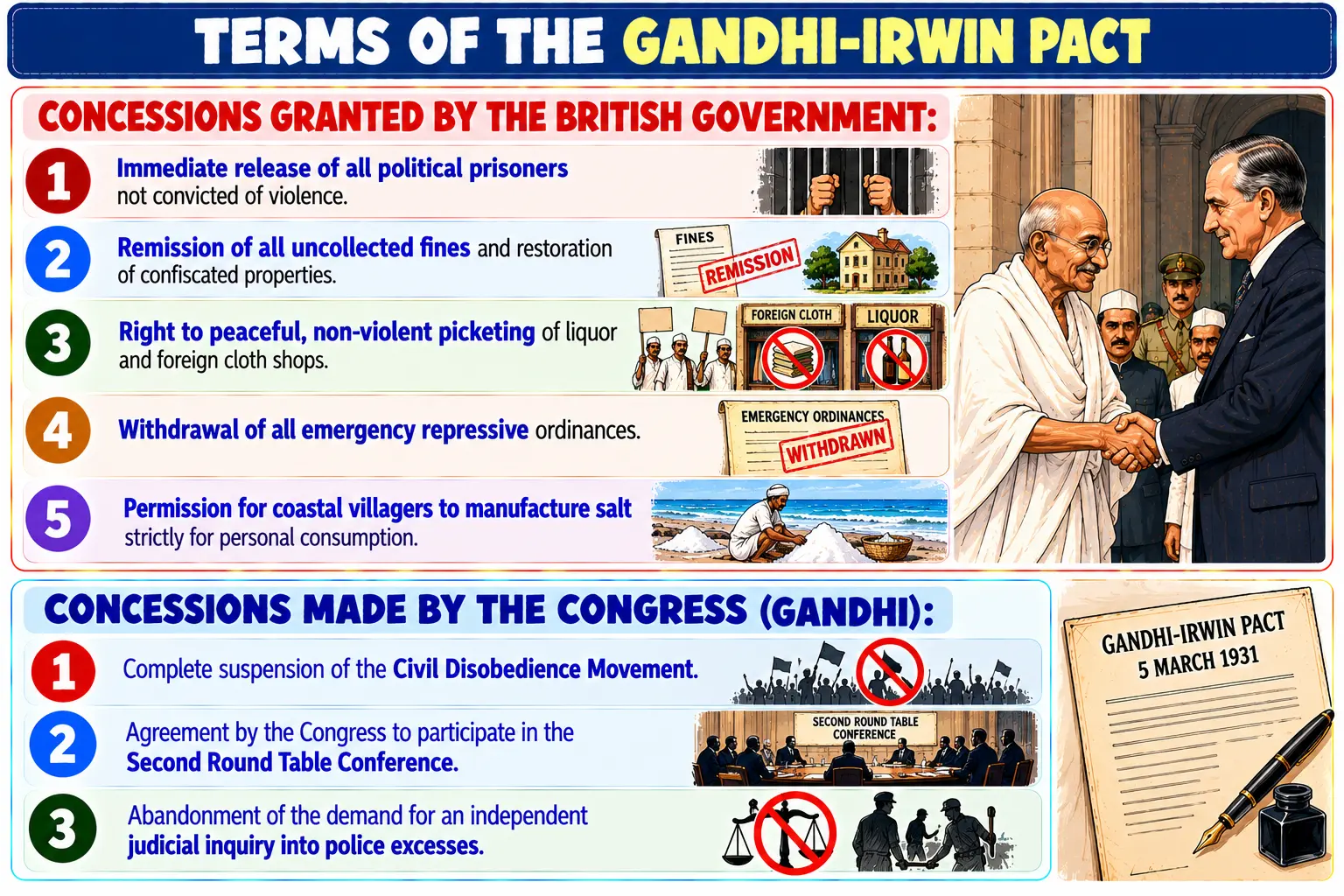 Figure 6: Mutual Concessions Agreed Between Lord Irwin and Mahatma Gandhi
B. The Gandhi-Irwin Pact (March 5, 1931)
To ensure Congress participation at the Second Round Table Conference, Viceroy Lord Irwin released Gandhi and the Congress Working Committee in January 1931. Mediated by Tej Bahadur Sapru and M.R. Jayakar, bilateral negotiations produced the Delhi Pact:
Government Concessions:
- Immediate release of non-violent political prisoners.
- Remission of uncollected fines and restoration of confiscated properties.
- Right to peaceful picketing of liquor and foreign cloth shops.
- Withdrawal of emergency repressive ordinances.
- Permission for coastal villagers to gather salt for personal use.
Congress Concessions:
- Suspension of the Civil Disobedience Movement.
- Agreement to attend the Second Round Table Conference in London.
- Abandonment of the demand for an inquiry into police conduct.
4. The Karachi Congress (1931 CE) and the Second Round Table Conference
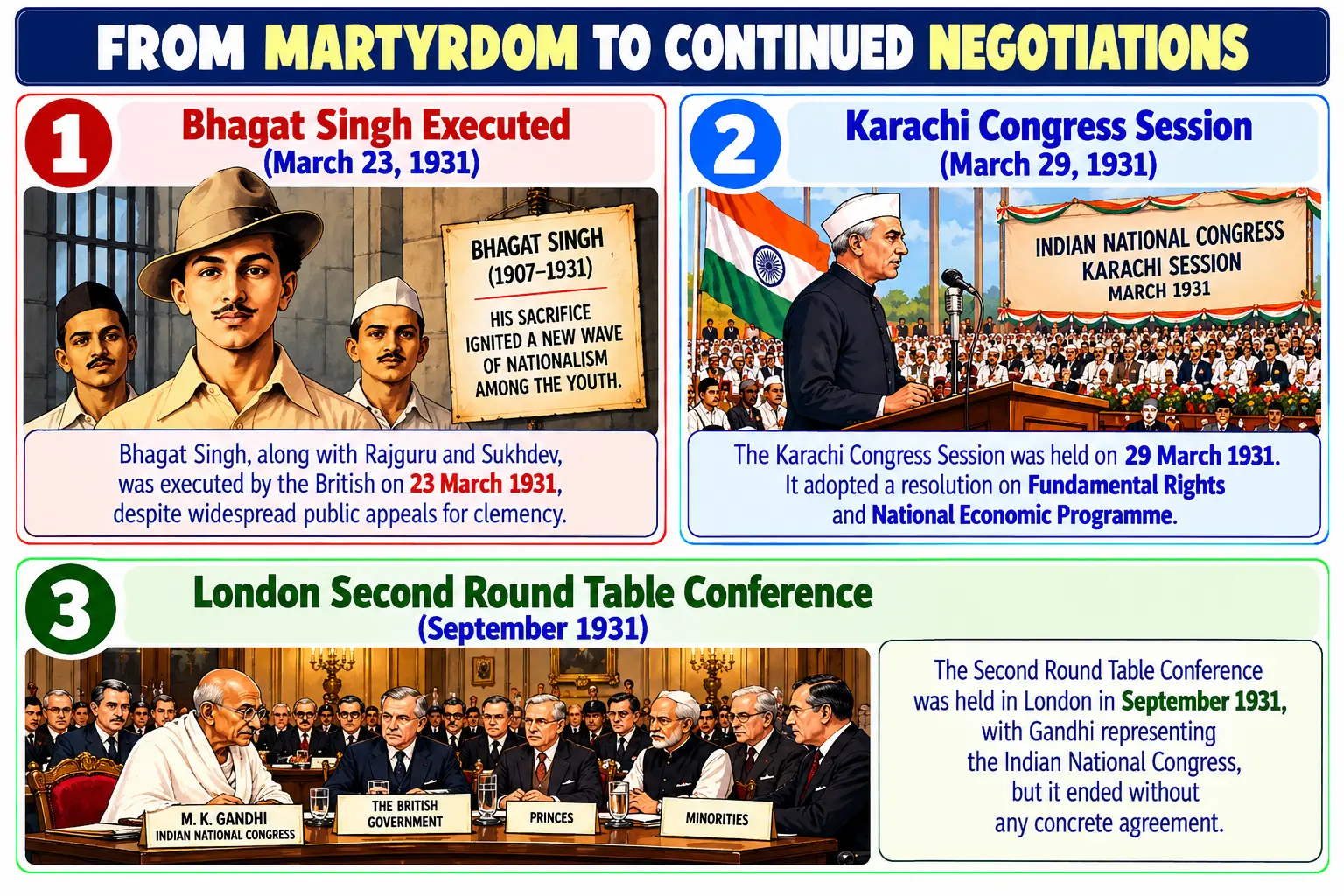 Figure 7: The Intersecting Paths of Martyrdom, Karachi Ideology, and London Talks
A. The Historic Karachi Session (March 1931)
- Convened under the presidency of Sardar Vallabhbhai Patel shortly after the execution of Bhagat Singh, Sukhdev, and Rajguru on March 23, 1931.
- The session endorsed the Gandhi-Irwin Pact and reiterated Purna Swaraj, passing two landmark resolutions drafted by Jawaharlal Nehru:
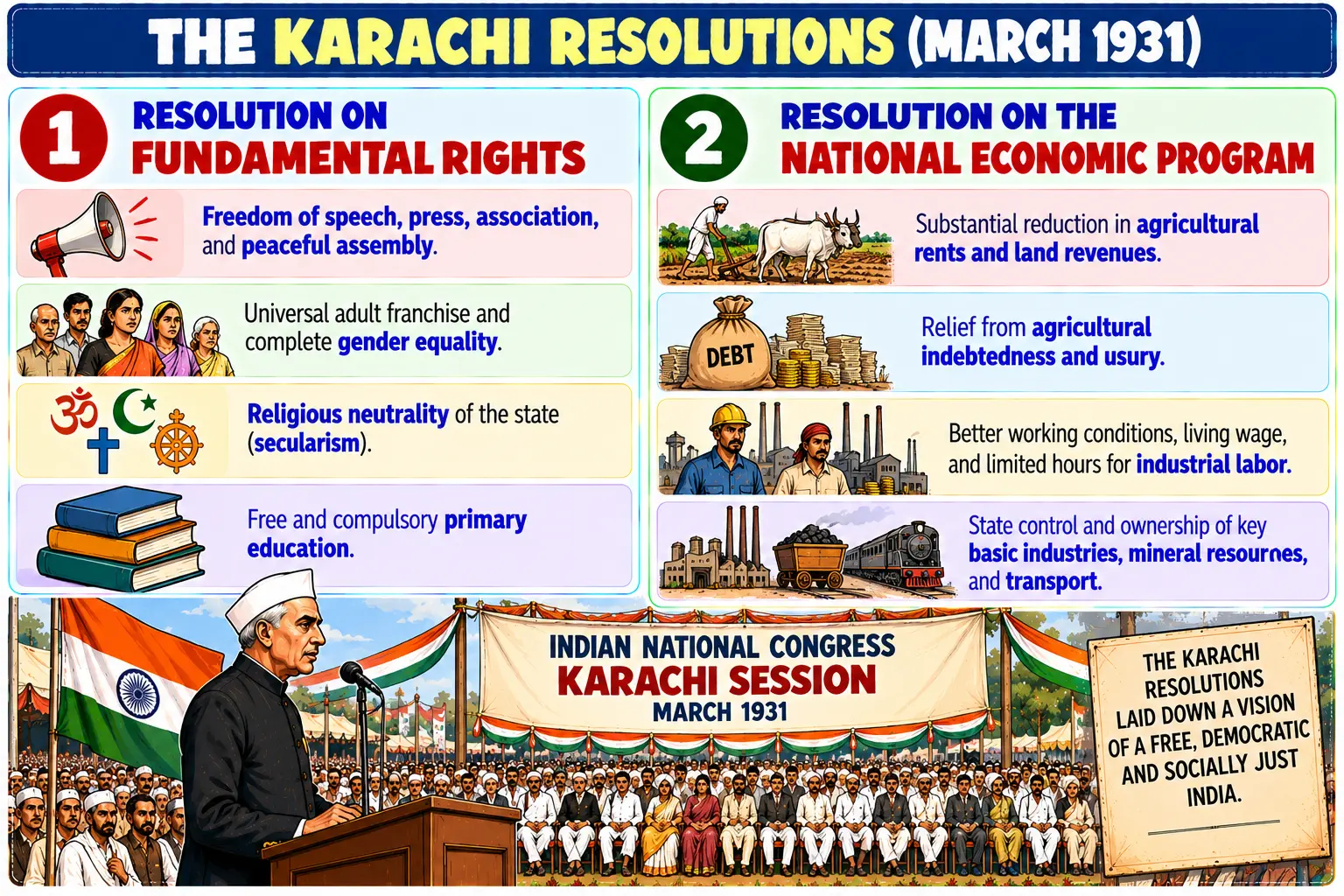 Figure 8: Constitutional Foundations: Fundamental Rights and National Economic Program
1. Resolution on Fundamental Rights:
- Freedom of speech, press, association, and peaceful assembly.
- Universal adult franchise and complete gender equality.
- Religious neutrality of the state (secularism).
- Free and compulsory primary education.
2. Resolution on the National Economic Program:
- Substantial reduction in agricultural rents and land revenues.
- Relief from agricultural indebtedness and usury.
- Better working conditions, living wage, and limited hours for industrial labor.
- State control and ownership of key basic industries, mineral resources, and transport.
B. The Second Round Table Conference (September – December 1931)
- Congress Delegation: Gandhi sailed to London aboard the SS Rajputana as the sole representative of the Indian National Congress, accompanied by Sarojini Naidu, Madan Mohan Malaviya, and Mahadev Desai.
- Political Impasse: The British political climate had hardened following the election of a Conservative-dominated coalition government and the arrival of Viceroy Lord Willingdon. British negotiators leveraged conflicting communal claims, resulting in a deadlock over minority representation. Gandhi returned empty-handed.
5. Second Phase of Civil Disobedience, Communal Award, and the Poona Pact (1932 – 1934 CE)
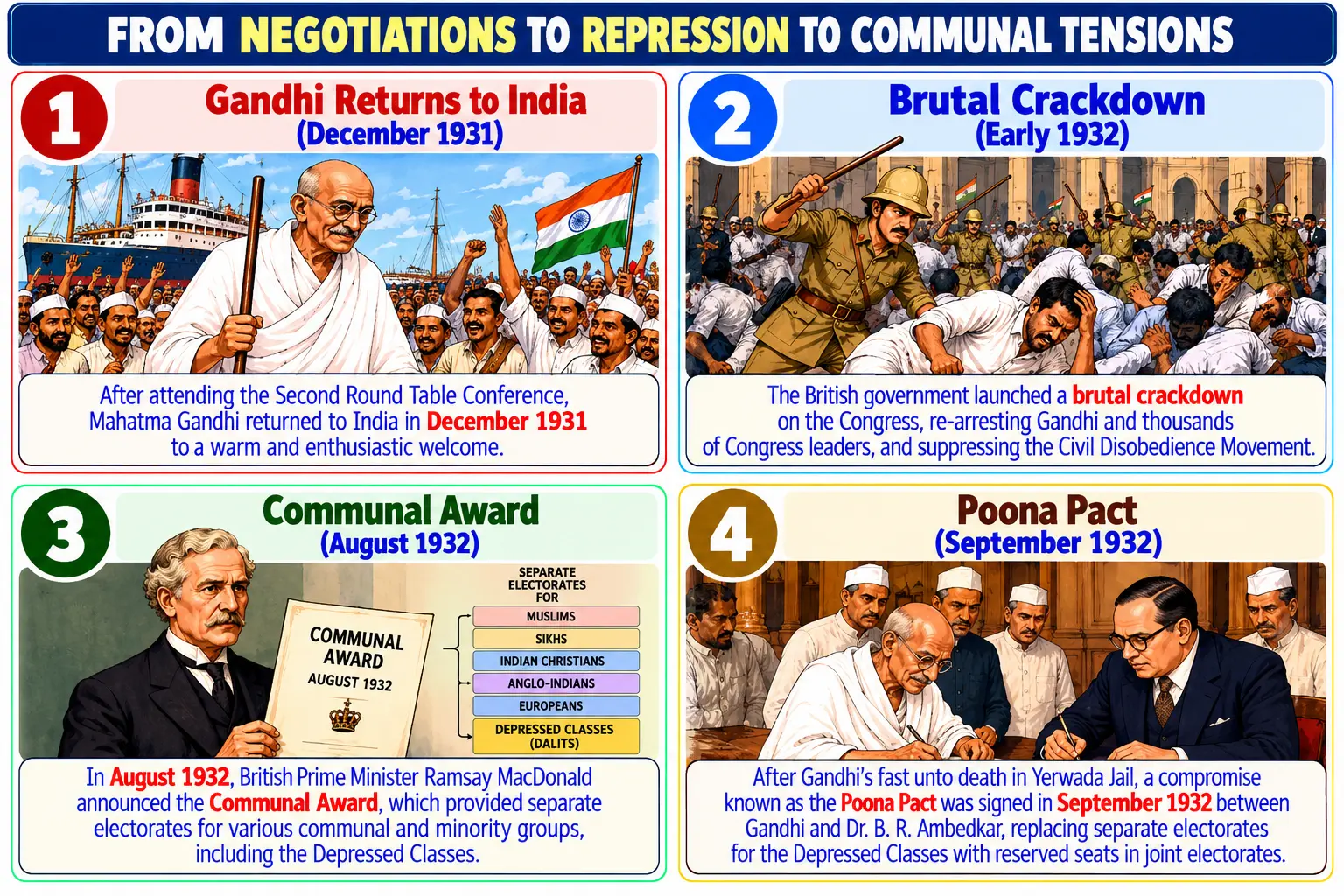 Figure 9: Sequence Leading from Resumed Crackdown to the Poona Compromise
A. Resumption and Crackdown (1932 CE)
Upon Gandhi’s return in December 1931, Lord Willingdon initiated severe repression: the Congress was banned, Gandhi and other prominent leaders were jailed, and emergency ordinances suppressed public gatherings and the press. Over 120,000 people were arrested.
B. The Communal Award (August 16, 1932)
- Announced by British Prime Minister Ramsay MacDonald based on the Lothian Committee findings.
- Extended separate communal electorates to Muslims, Sikhs, Europeans, and designated the Depressed Classes as a distinct minority entitled to separate electorates with double-voting rights.
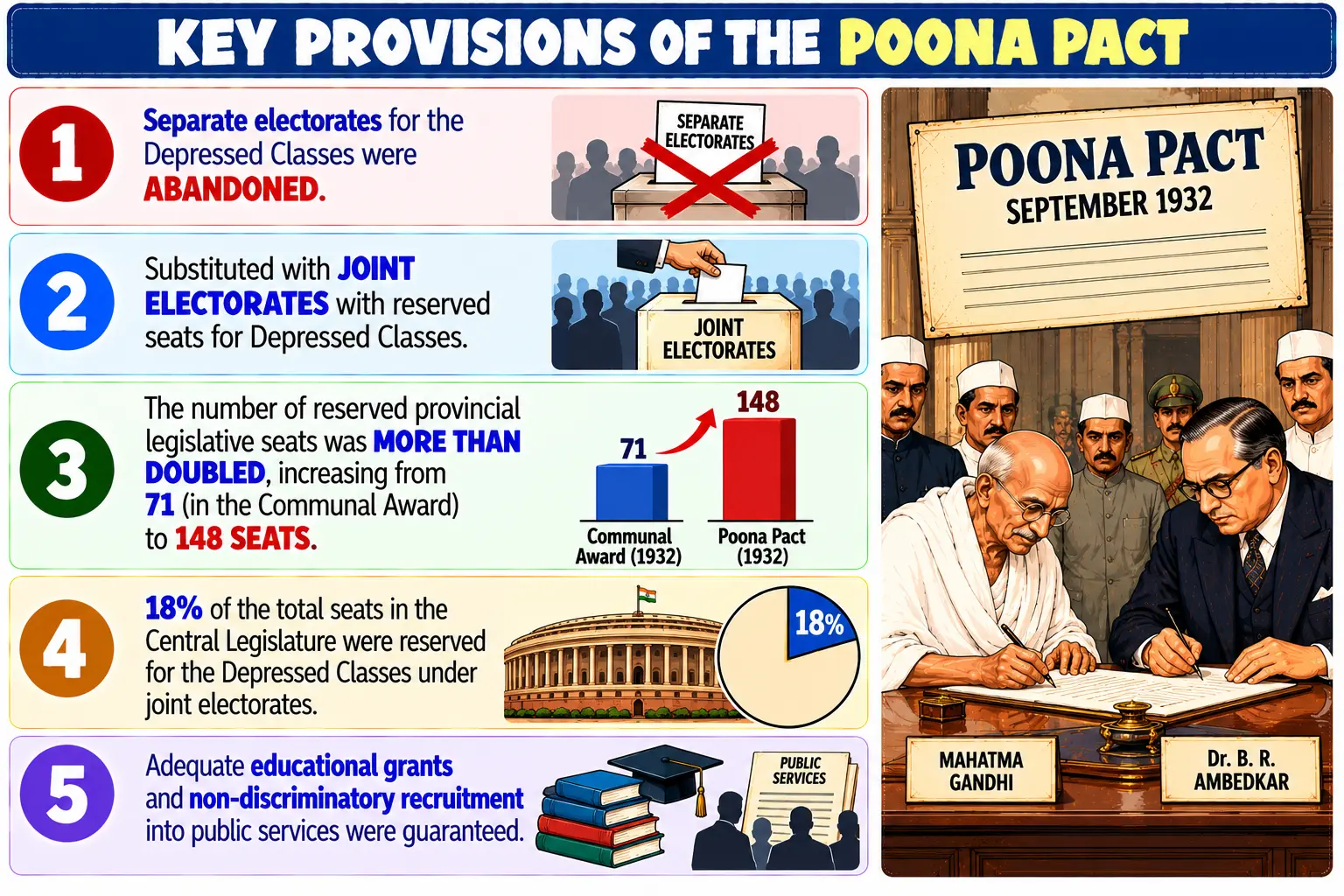 Figure 10: Compromise Framework Establishing Joint Electorates with Reserved Seats
C. The Poona Pact (September 24, 1932)
Imprisoned in Yerwada Jail in Poona, Gandhi opposed separate electorates for the Depressed Classes, arguing they would institutionalize untouchability. On September 20, 1932, he began a fast unto death, prompting negotiations led by Madan Mohan Malaviya, C. Rajagopalachari, and Dr. B.R. Ambedkar.
- Separate electorates for the Depressed Classes were abandoned.
- Replaced with Joint Electorates alongside reserved legislative seats for the Depressed Classes.
- Reserved provincial seats increased from 71 (in the Communal Award) to 148 seats.
- 18% of total elected seats in the Central Legislature were reserved for the Depressed Classes under joint electorates.
- Adequate educational grants and non-discriminatory recruitment into public services were guaranteed.
Following the agreement, Gandhi focused on social uplift, establishing the All-India Anti-Untouchability League (1932) and the weekly paper Harijan.
D. Suspension of the Movement (1934 CE)
The Third Round Table Conference (November – December 1932) saw limited participation and was boycotted by both the Congress and the British Labour Party. Its discussions formed the basis of the Government of India Act 1935. Facing organizational exhaustion and focusing on constructive social reform, Gandhi formally withdrew the Civil Disobedience Movement in April 1934.
6. Quick Examination Facts
| Topic / Milestone | Key Exam Fact |
|---|---|
| Date Dandi March Commenced | March 12, 1930 (Departed Sabarmati Ashram with 78 followers) |
| Date Salt Law was Broken at Dandi | April 6, 1930 (Gandhi collected natural salt on Dandi beach) |
| Distance and Duration of Dandi March | 240 Miles (385 km) covered across Gujarat over 24 days |
| Leader of Vedaranyam Salt March (Tamil Nadu) | C. Rajagopalachari (Marched from Tiruchirappalli to Vedaranyam) |
| Leader of Payyanur Salt March (Kerala) | K. Kelappan (Marched from Calicut to Payyanur) |
| Founder of the ‘Red Shirts’ (Khudai Khidmatgars) | Khan Abdul Ghaffar Khan (Frontier Gandhi) in NWFP |
| Garhwali Officer who Refused to Fire in Peshawar | Chandra Singh Garhwali (Royal Garhwal Rifles) |
| Leader of the Dharasana Salt Works Raid | Sarojini Naidu, accompanied by Manilal Gandhi and Imam Saheb |
| American Journalist Reporting on Dharasana | Webb Miller |
| Naga Revolutionary Leader Given Title ‘Rani’ | Rani Gaidinliu (Title bestowed by Jawaharlal Nehru) |
| Congress Stance on 1st Round Table Conference | Boycotted by the Indian National Congress (1930) |
| Date of Gandhi-Irwin Pact (Delhi Pact) | March 5, 1931 (Mediated by Sapru and Jayakar) |
| Execution Date of Bhagat Singh, Rajguru, Sukhdev | March 23, 1931 in Lahore Central Jail |
| President of 1931 Historic Karachi Congress | Sardar Vallabhbhai Patel |
| Drafter of Fundamental Rights Resolution (1931) | Jawaharlal Nehru |
| Sole Representative of INC at 2nd RTC | Mahatma Gandhi (Sailed aboard SS Rajputana) |
| British Prime Minister who Announced Communal Award | Ramsay MacDonald (August 16, 1932) |
| Venue of Gandhi’s Fast Unto Death (1932) | Yerwada Central Jail in Poona |
| Date and Signatories of the Poona Pact | September 24, 1932; signed by Dr. B.R. Ambedkar & Madan Mohan Malaviya |
| Reserved Seats Granted in Poona Pact | Increased from 71 to 148 seats in Provincial Legislatures |
7. Conclusion
The Civil Disobedience Movement marked a watershed in modern Indian history. It demonstrated the power of non-violent civil resistance on an unprecedented scale, mobilized millions of women and rural cultivators into public activism, and established the social and economic blueprint of independent India through the Karachi resolutions. Furthermore, direct bilateral negotiations between Gandhi and the Viceroy confirmed that future constitutional changes required the participation and consent of Indian nationalist leadership.
The Civil Disobedience Movement, Dandi March, Round Table Conferences & the Poona Pact (1930 – 1934 CE)
Practice Quiz • 15 MCQs