Growth of Modern Nationalism and the Foundation of INC: Pre-Congress Associations, Safety Valve Theory, and Moderate Phase (1885 – 1905 CE)
This political awakening culminated in December 1885 with the establishment of the Indian National Congress (INC). The first two decades of the Congress (1885 – 1905), known as the Moderate Phase, laid the intellectual, economic, and secular groundwork for the all-India struggle for freedom.
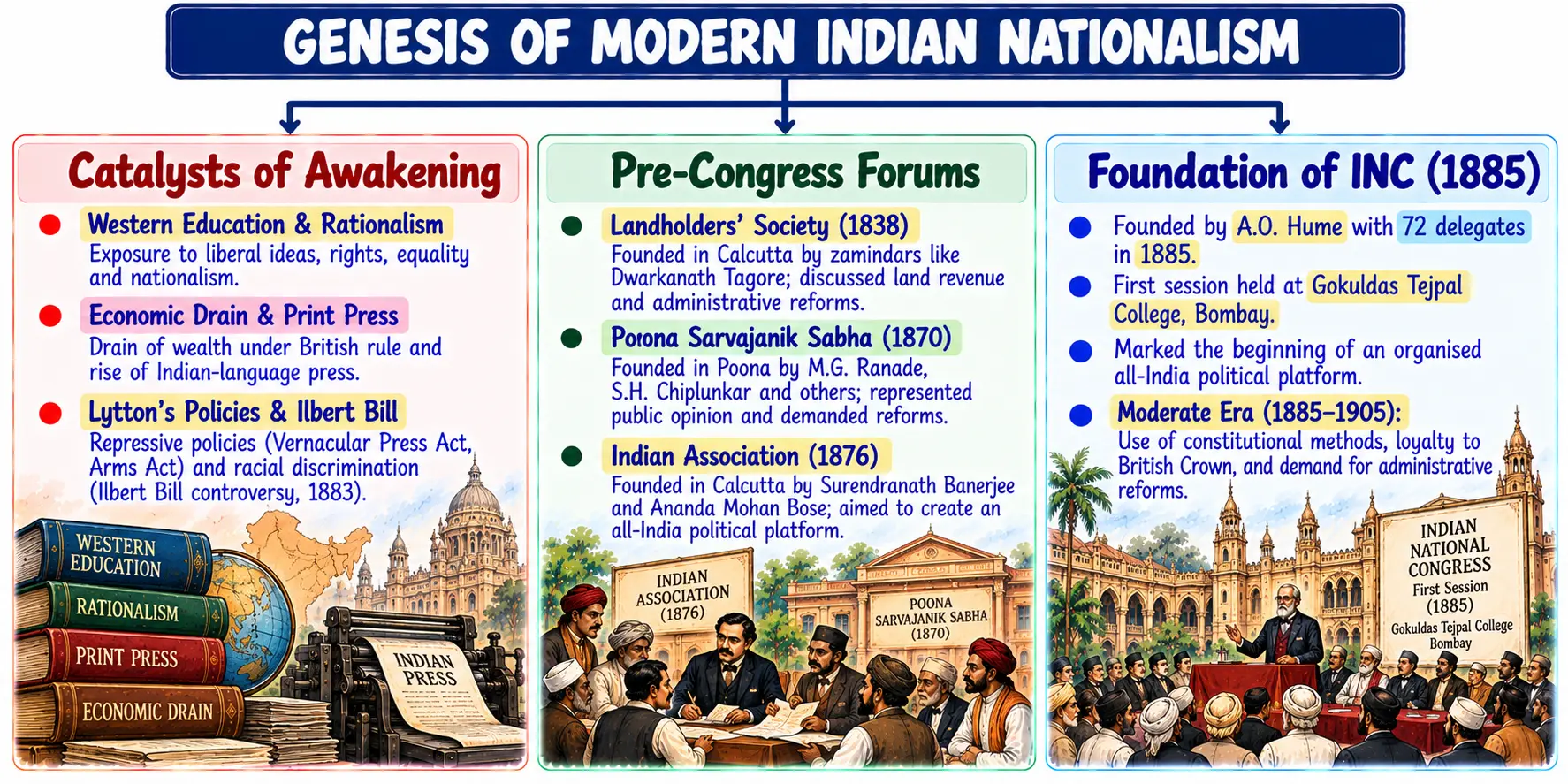 Figure 1: Comprehensive Architecture of Early Indian Nationalism
- Catalysts of Awakening: Western education, scientific rationalism, communications infrastructure, and reaction against Lord Lytton’s repressive laws.
- Pre-Congress Forums: Progression from regional landlord bodies (Landholders’ Society, 1838) to pan-Indian political networks (Indian Association, 1876).
- Inauguration of INC: Mobilization by A.O. Hume and 72 delegates at Bombay (December 1885), initiating the constitutional Moderate Phase (1885–1905).
1. Factors Responsible for the Growth of Modern Nationalism
The growth of national sentiment was the cumulative outcome of deep-seated internal contradictions between the interests of the Indian people and British colonial exploitation:
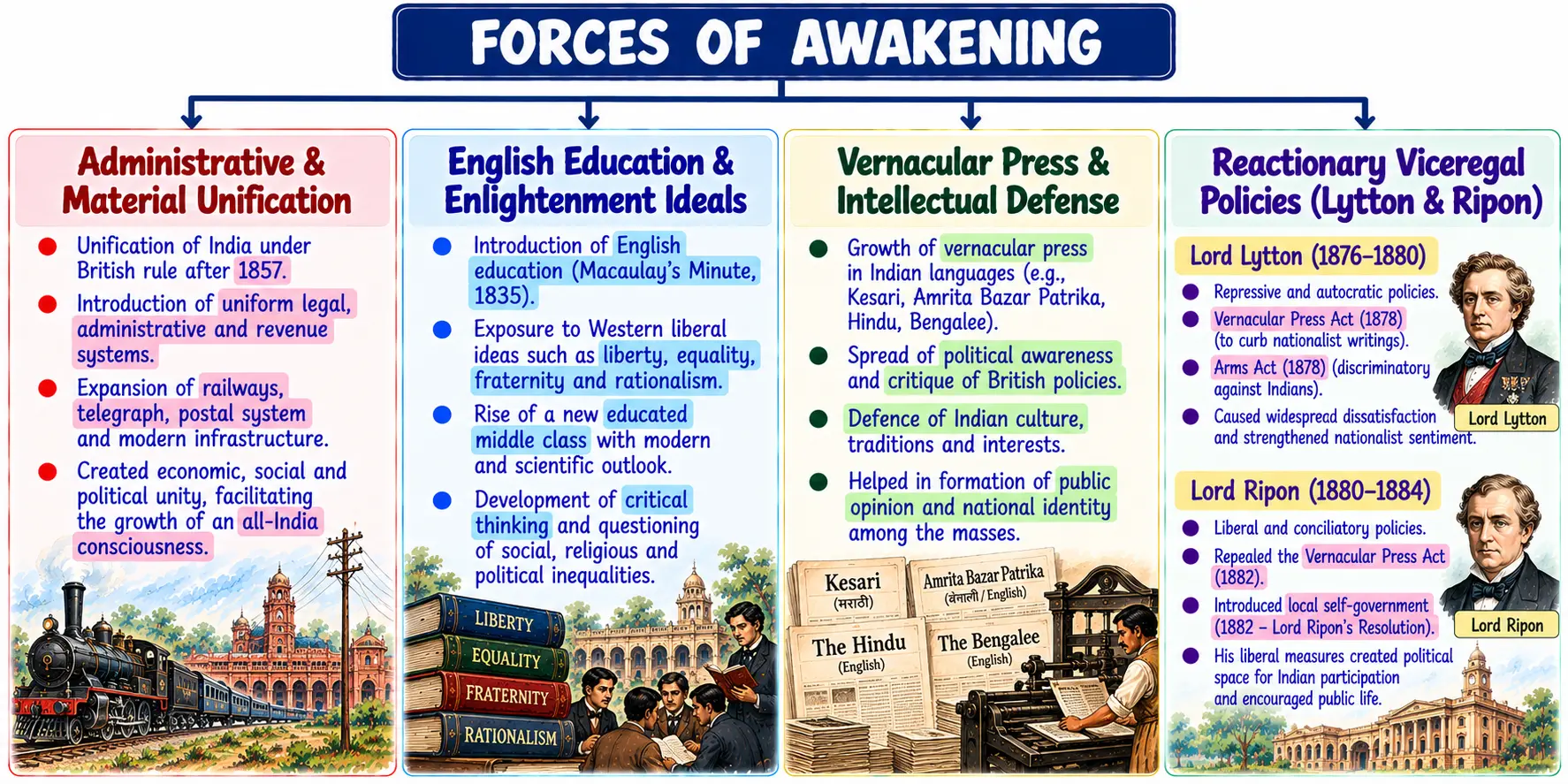 Figure 2: Major Catalysts Fueling the Growth of National Consciousness
- Administrative and Economic Unification: The British introduced a unified administrative apparatus, codified legal systems (Indian Penal Code 1860, Criminal Procedure Code 1861), standardized currency, postal systems, and electric telegraph lines. The expansion of Railways inadvertently broke geographical isolation, allowing leaders across diverse provinces to interact and establish common political solidarity.
- Impact of Western Education & Thought: The spread of English education exposed young Indians to Western liberal, rational, and democratic thinkers (John Locke, Jean-Jacques Rousseau, Thomas Paine, John Stuart Mill, and Giuseppe Mazzini). This modern education created an all-India intelligentsia sharing a common lingua franca.
- Role of the Print Press & Vernacular Literature: Contemporary periodicals such as The Hindu, Amrita Bazar Patrika, The Bengalee, Voice of India, Kesari, and Mahratta exposed colonial exploitation, popularized democratic ideals, and galvanized critical public opinion.
- Economic Exploitation and De-industrialization: Widespread peasant impoverishment, recurrent devastating famines (e.g., the Great Famine of 1876–78), destruction of traditional handicrafts, and heavy land revenue assessments alienated all sections of Indian society.
- Reactionary Policies of Lord Lytton (1876 – 1880):
- Organized the lavish Imperial Delhi Durbar (1877) while millions were perishing from famine across Southern and Western India.
- Reduced the maximum age limit for the Indian Civil Services examination from 21 to 19 years (1877) to deliberately restrict Indian entry.
- Enacted the restrictive Vernacular Press Act (1878) (the “Gagging Act”) to muzzle indigenous language newspapers.
- Passed the discriminatory Arms Act (1878), making it a criminal offense for Indians to carry firearms without a license while exempting Europeans.
- The Ilbert Bill Controversy (1883 – 1884):
- Viceroy Lord Ripon’s law member, Sir C.P. Ilbert, introduced a bill seeking to remove racial discrimination in the judiciary by empowering senior Indian district magistrates and sessions judges to try European offenders.
- Anglo-Indian communities launched a fierce, racially charged agitation opposing the bill. The British Government surrendered to pressure and amended the bill, allowing Europeans to demand trial by a jury comprising at least 50% European members.
- This controversy proved to Indian leadership that racial equality could not be attained under colonial administration, highlighting the imperative need for an all-India political organization.
2. Pre-Congress Political Associations
Before the founding of the Indian National Congress in 1885, several regional political associations emerged across Bengal, Bombay, Madras, and London, steadily transitioning from localized landlord concerns to broad national reform agendas:
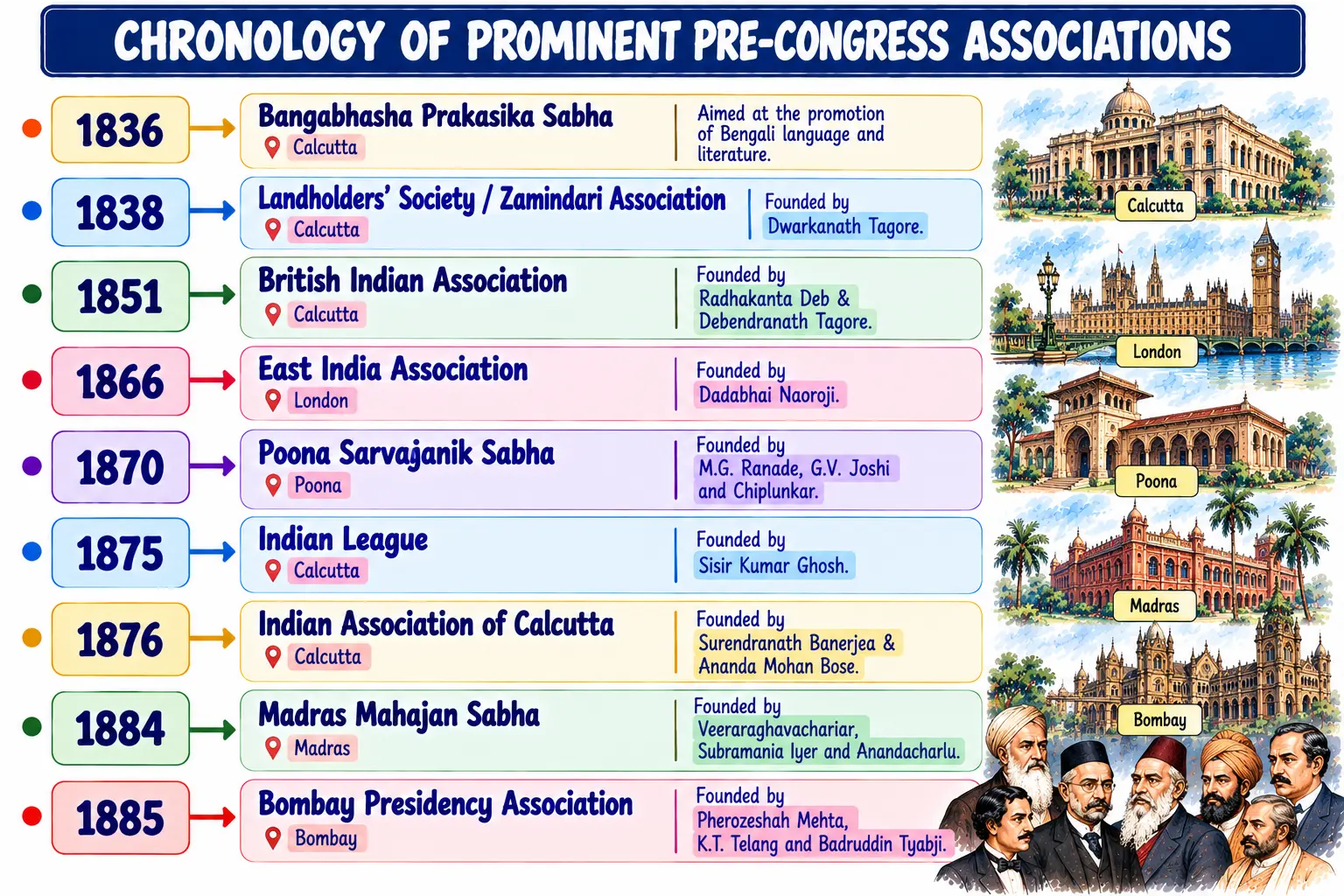 Figure 3: Evolution of Regional Political Bodies Leading up to 1885
A. Political Forums in Bengal
- Bangabhasha Prakasika Sabha (1836): Formed by associates of Raja Ram Mohan Roy; the earliest organized forum for political discussions in Bengal.
- Landholders’ Society / Zamindari Association (1838): Founded by Dwarkanath Tagore, Radhakanta Deb, and Prasanna Kumar Tagore to safeguard the interests of landlords under the Permanent Settlement. It marked the formal beginning of organized constitutional agitation in India.
- British Indian Association (1851): Formed by merging the Landholders’ Society and the Bengal British India Society. It submitted a memorandum to the British Parliament prior to the Charter Act of 1853, demanding a separate legislature, separation of executive and judicial functions, and reduced salaries for higher official posts.
- The Indian Association of Calcutta (1876):
- Founders: Surendranath Banerjea and Ananda Mohan Bose.
- Significance: The most influential pre-Congress nationalist forum. It sought to build strong public opinion, unify Indian communities across a shared political platform, and mobilize the educated middle classes.
- Campaigns: Spearheaded the nationwide “Indian Civil Service Agitation” against lowering the examination age limit, and campaigned vigorously against the Vernacular Press Act and the Arms Act.
- National Conferences: Convened the All-India National Conference in Calcutta in 1883 and 1885, which served as the direct institutional precursor to the Indian National Congress.
B. Political Forums in Bombay and Madras
- Poona Sarvajanik Sabha (1870): Founded by Justice Mahadev Govind Ranade (M.G. Ranade), Ganesh Vasudeo Joshi (G.V. Joshi), and S.H. Chiplunkar to serve as an intermediary between the state and the people, actively articulating peasant grievances during the Deccan Agrarian Riots.
- Bombay Presidency Association (1885): Established by the prominent legal triumvirate known as the “Three Stars of Bombay”—Pherozeshah Mehta, K.T. Telang, and Badruddin Tyabji—to coordinate opposition against imperial administrative policies.
- Madras Mahajan Sabha (1884): Founded by M. Veeraraghavachariar, G. Subramania Iyer (founder of The Hindu), and P. Anandacharlu to coordinate regional public opinion across Southern India.
C. Political Forums in London
- East India Association (1866): Founded in London by Dadabhai Naoroji to promote Indian welfare, lobby British members of parliament, and present accurate factual assessments regarding Indian impoverishment to the British public.
3. Foundation of the Indian National Congress (1885)
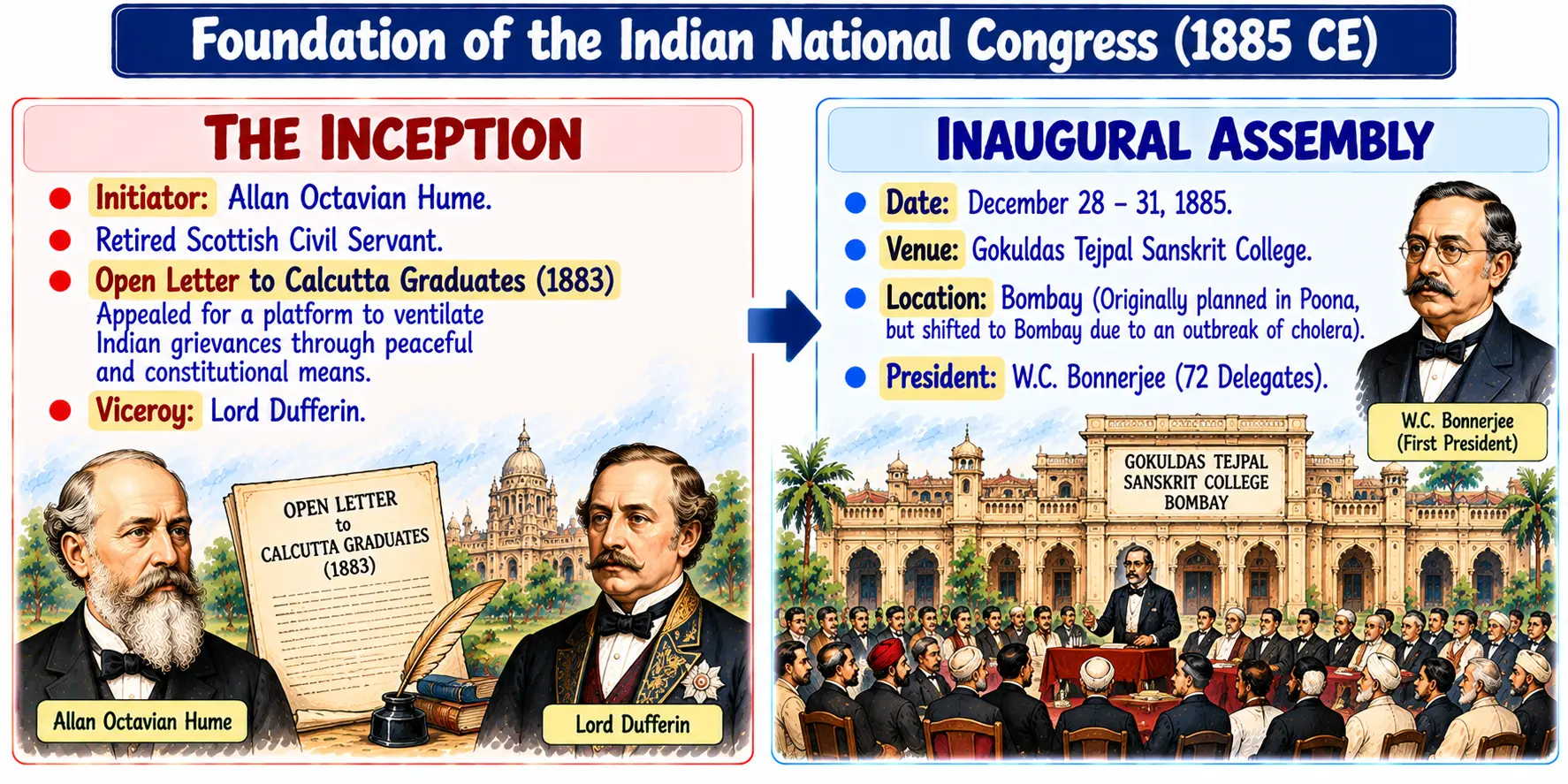 Figure 4: Inception and Inaugural Assembly of the INC at Bombay
- The Catalyst — Allan Octavian Hume: A retired Scottish Indian Civil Service (ICS) officer, A.O. Hume, issued an open letter to the graduates of Calcutta University in March 1883, urging collective national regeneration: “Scattered individuals, however capable… are powerless. Men, therefore, must organize.”
- The Inaugural Assembly:
- Originally scheduled to be held in Poona, the venue was shifted to Bombay due to an outbreak of cholera.
- The first session was held from December 28 to 31, 1885, at the Gokuldas Tejpal Sanskrit College, Bombay.
- Presided over by eminent Calcutta barrister Womesh Chandra Bonnerjee (W.C. Bonnerjee).
- Attended by 72 delegates representing all presidencies and provinces (including Dadabhai Naoroji, Pherozeshah Mehta, Dinshaw Wacha, K.T. Telang, Badruddin Tyabji, G. Subramania Iyer, and N.G. Chandavarkar). Surendranath Banerjea could not attend as he was conducting the concurrent Second National Conference in Calcutta (which merged with the Congress in 1886).
- Primary Early Objectives of the Congress:
- Promote personal camaraderie and contact among national political workers across all provinces.
- Eradicate provincial, sectarian, and religious prejudices to consolidate broad national unity.
- Document mature, educated opinions on critical socio-political questions.
- Formulate public demands systematically and present them to the British government through constitutional means.
4. Theories Regarding the Origin of the Congress
Historians evaluate the underlying motivations of A.O. Hume and the colonial establishment through two distinct interpretations:
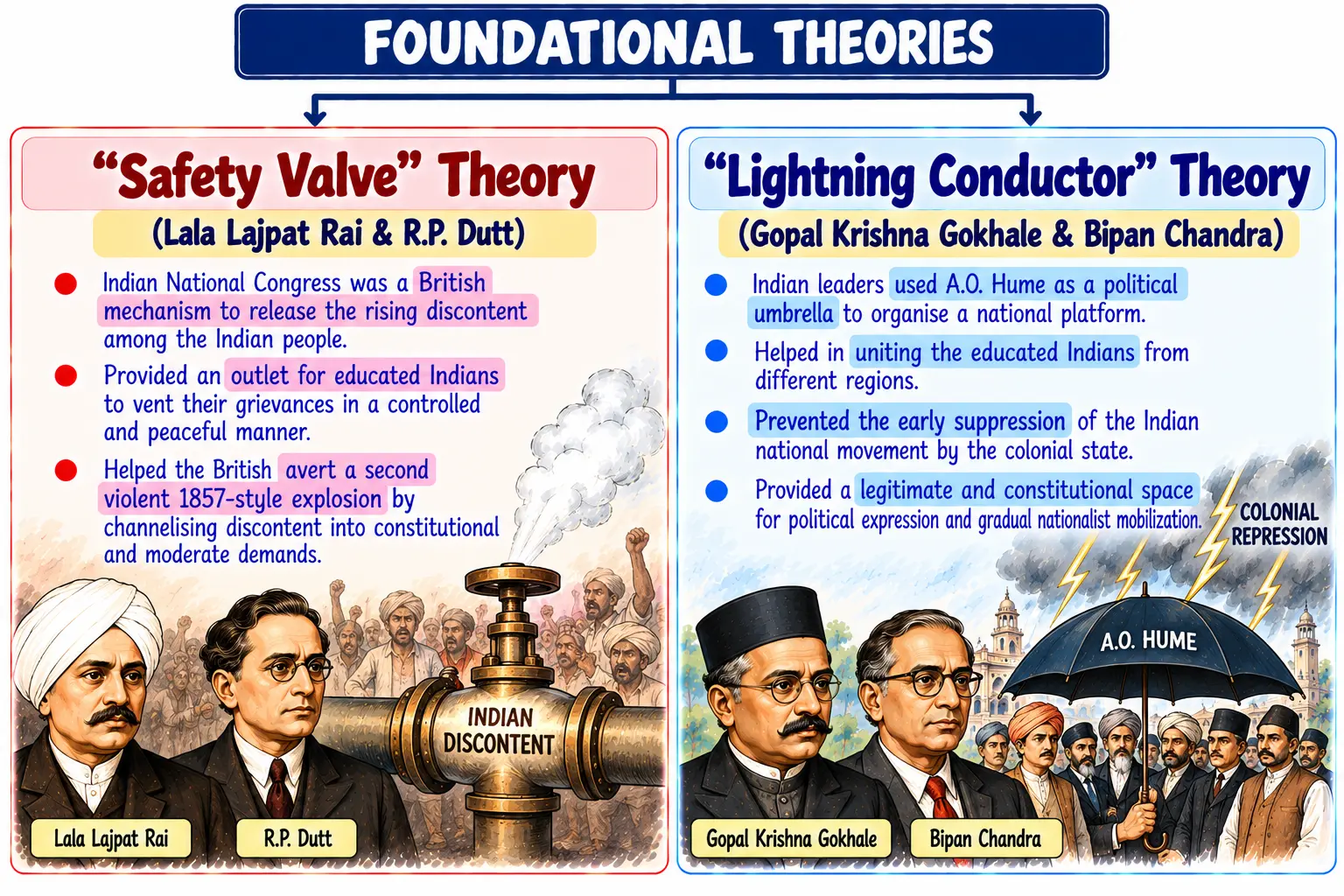 Figure 5: Opposing Historiographical Views on the Origin of INC
A. The “Safety Valve” Theory
- Core Argument: Propounded by Extremist leader Lala Lajpat Rai in his book Young India (1916), and later adopted by Marxist historian R. Palme Dutt in India Today.
- Premise: Contended that Hume, in collaboration with Viceroy Lord Dufferin, conceived the Congress as a benign political “safety valve” to release growing agrarian and popular discontent, thereby preempting a potential 1857-style armed rebellion.
- Hume’s Secret Volumes: Relied on claims that Hume reviewed secret intelligence abstracts at Simla warning of imminent mass unrest, compelling him to direct public agitation toward constitutional channels.
B. The “Lightning Conductor” Theory
- Counter-Argument: Articulated by Moderate leader Gopal Krishna Gokhale in 1913 and supported by modern historian Bipan Chandra.
- Premise: Maintained that early Indian nationalists intentionally used A.O. Hume as a “Lightning Conductor” (protective political shield). An all-India political forum founded independently by Indian leaders would have faced prompt administrative suppression. A former British civil servant as the visible organizer provided vital political legitimacy, shielding the nascent national organization during its formative period.
5. The Moderate Phase of the Congress (1885 – 1905)
During its first twenty years, the Indian National Congress was guided by early nationalist leadership commonly designated as the Moderates.
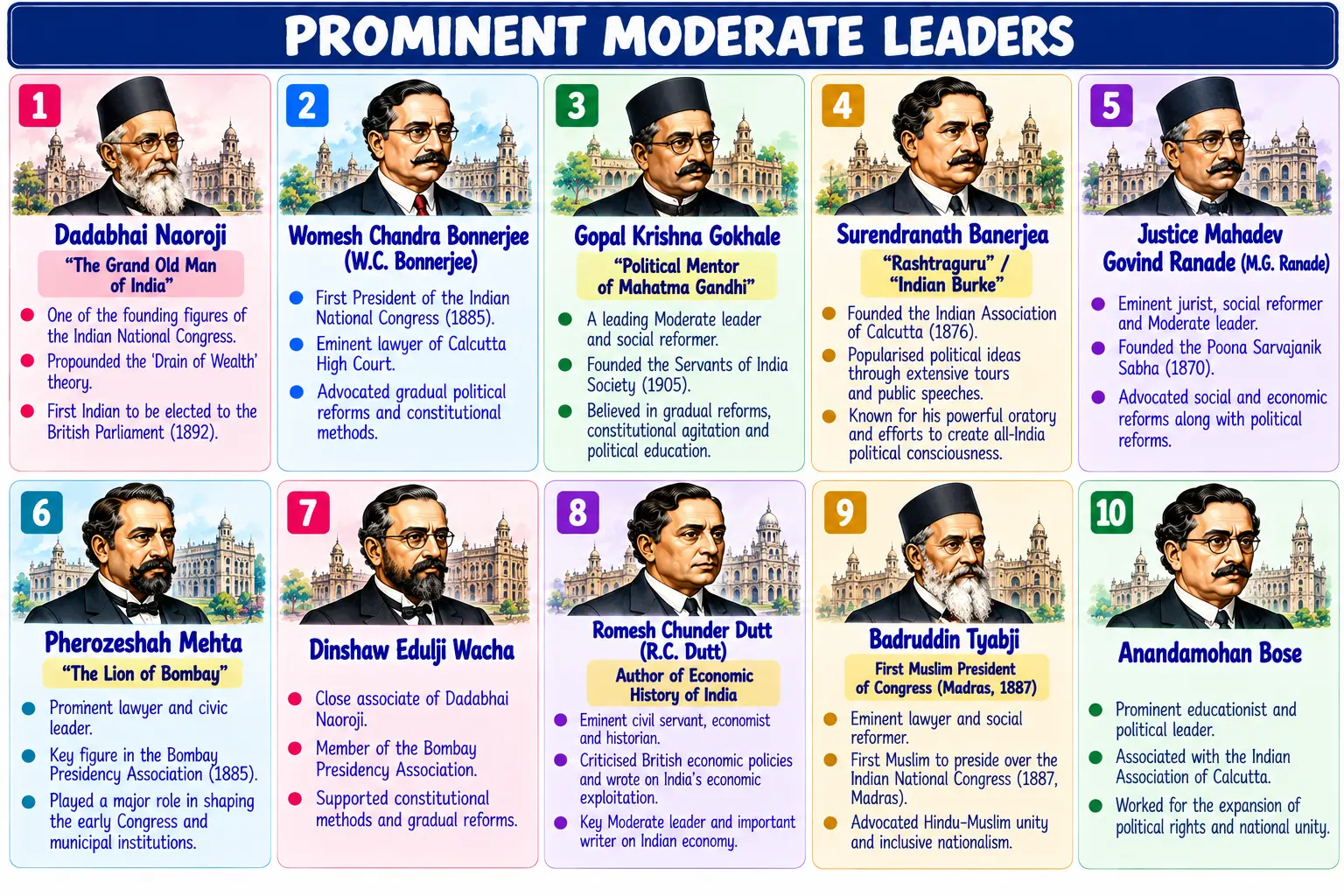 Figure 6: Stalwarts of the Moderate Era and Their Key Contributions
- Dadabhai Naoroji: Known as the “Grand Old Man of India”; foremost pioneer of the economic drain critique.
- W.C. Bonnerjee: Eminent legal mind and the first Congress President.
- Gopal Krishna Gokhale: Founder of the Servants of India Society (1905) and political mentor to Mahatma Gandhi.
- Surendranath Banerjea: Revered as “Rashtraguru” and the “Indian Burke” for his political eloquence.
- Pherozeshah Mehta: Dynamic municipal reformer titled “The Lion of Bombay.”
- Badruddin Tyabji: First Muslim President of the Congress (Madras Session, 1887).
- R.C. Dutt: Author of the pioneering Economic History of India.
A. Philosophy and Beliefs of the Moderates
- Faith in British Justice: Maintained deep respect for British parliamentary traditions and democratic values, holding that the British public and Parliament were well-intentioned but ill-informed regarding ground conditions in India.
- Providential View of British Rule: Viewed British governance as an instrument of modern historical transition that unified India, introduced modern technology, and initiated legal and administrative modernization.
- Gradual Constitutional Evolution: Did not demand absolute independence (Purna Swaraj). Instead, they sought colonial self-government within the empire on par with the self-governing dominions of Canada and Australia.
- Constitutional Loyalty: Expressed political loyalty to the British Sovereign while offering sharp criticism of bureaucratic lapses within the administrative apparatus in India.
B. Methodology: The “3 Ps” Approach
The Moderates operated strictly within legal boundaries, employing constitutional agitation defined as “Prayer, Petition, and Protest”:
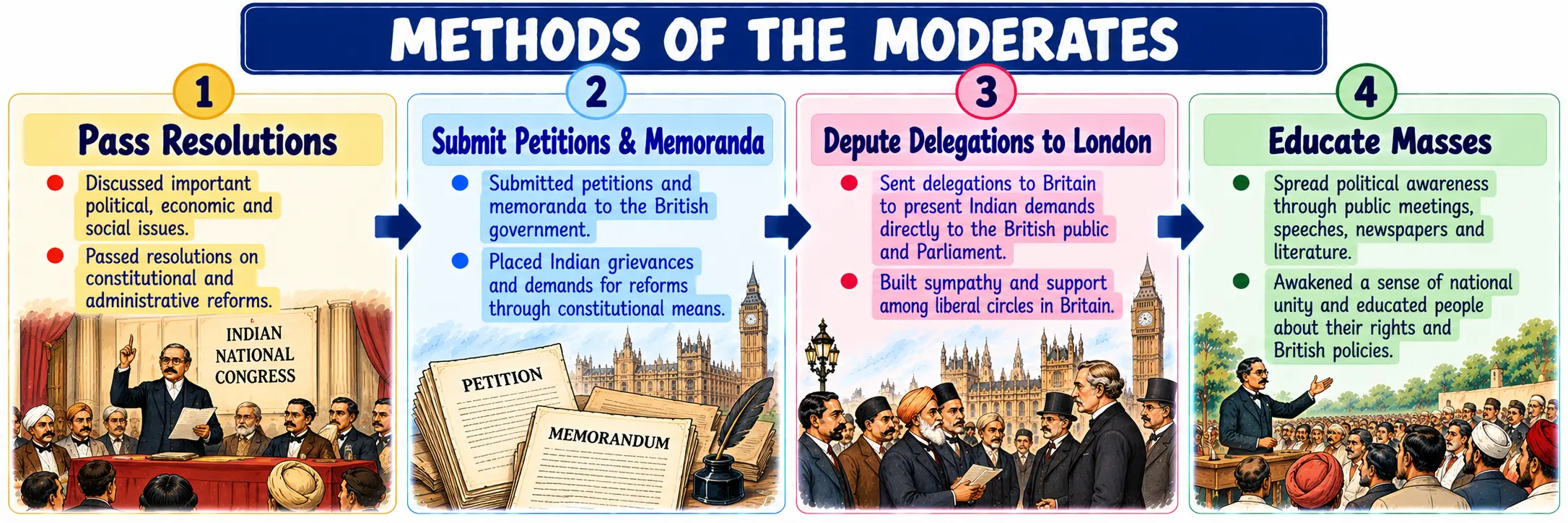 Figure 7: Four Stages of the Moderate Constitutional Agitation Framework
- Convened annual three-day sessions every December to deliberate public grievances and adopt formal resolutions.
- Submitted documented petitions, memorials, and memoranda to the Viceroy in India and the British Parliament in London.
- Dispatched political deputations to Britain and sustained public education through the journal India, published by the British Committee of the INC in London (established in 1889).
6. Major Contributions of the Moderates
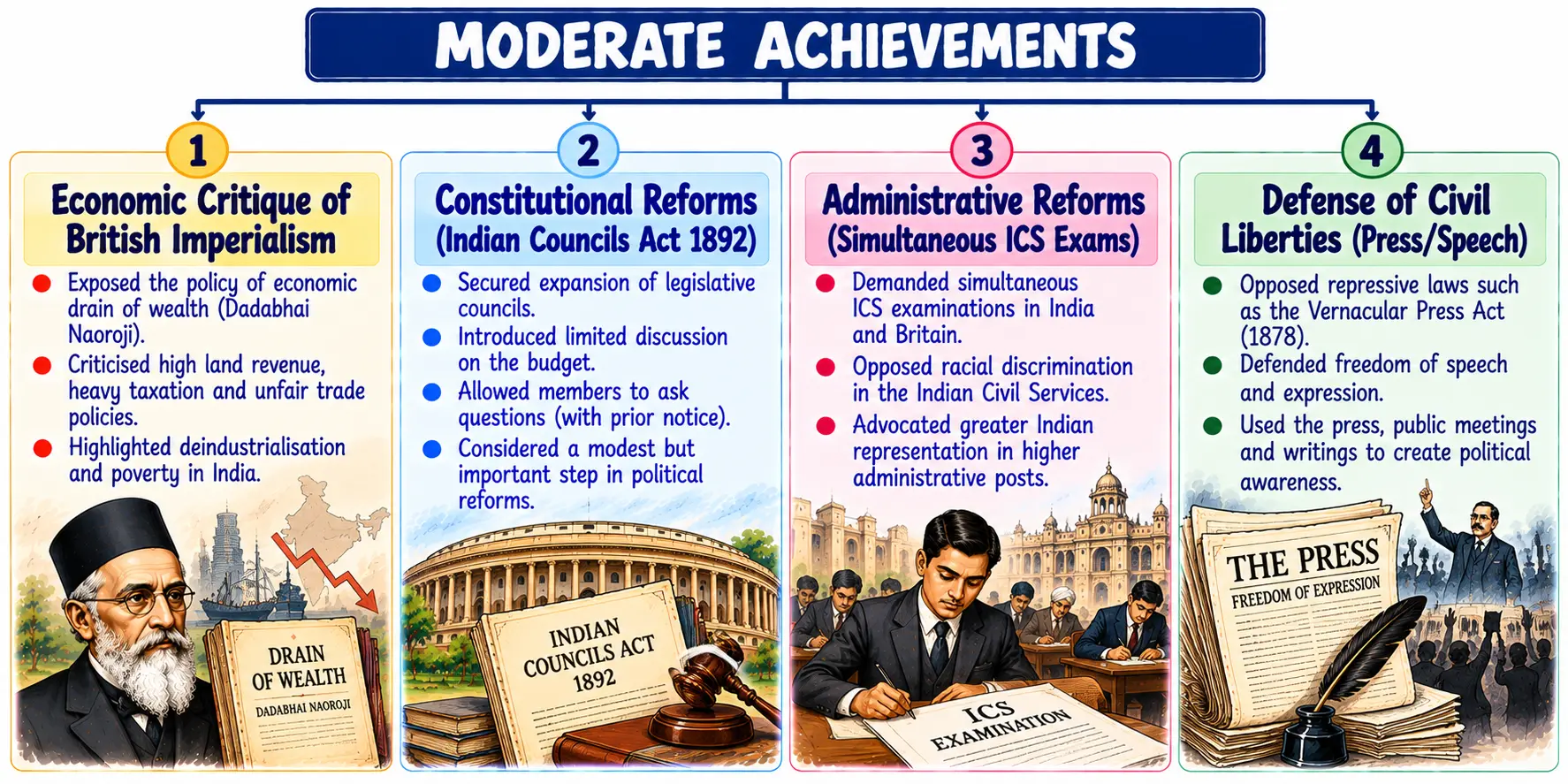 Figure 8: Enduring Institutional and Intellectual Legacies of the Moderates
A. Economic Critique of British Imperialism
- Drain of Wealth Theory: Pioneered by Dadabhai Naoroji in his landmark publication Poverty and Un-British Rule in India (1901). He demonstrated that Indian wealth was consistently siphoned to Britain without material return via Home Charges, pensions, corporate dividends, and military expenditures, describing it as the structural cause of Indian famine and poverty: “The drain is the bleeding of India.”
- Analytical Economic History: Romesh Chunder Dutt (R.C. Dutt) published the two-volume Economic History of India (1901–1903), methodically demonstrating how rigid land revenue assessments, one-way free trade, and the decline of indigenous textile crafts dismantled rural self-sufficiency.
- Demand for Industrial Protection: Campaigned for state backing of indigenous infant enterprises, cancellation of discriminatory cotton excise tariffs, and reduction of land taxes to alleviate peasant distress.
B. Constitutional and Legislative Reforms
- The Indian Councils Act of 1892: Popularized the constitutional demand: “No Taxation without Representation.” Moderate pressure yielded concrete concessions:
- Expanded the proportion of non-official members across Central and Provincial Legislative Councils.
- Conferred on council members the authority to debate the annual financial budget (without voting rights or the power to introduce amendments).
- Permitted interpellation (asking questions to the executive) on matters of public interest upon giving six days’ formal notice.
- Introduced indirect election procedures for selecting non-official seats through municipalities, universities, and commercial associations.
C. Administrative and Military Demands
- Indianization of the Civil Services: Campaigned for holding Indian Civil Services examinations simultaneously in India and Britain, alongside raising the candidate age limit. The House of Commons approved a provisional resolution for simultaneous exams in 1893, though its operational implementation was delayed by bureaucratic inertia.
- Separation of Powers: Demanded the bifurcation of executive and judicial functions to prevent arbitrary executive abuses.
- Military Expenditure: Opposed excessive military budgets and criticized costly imperial campaigns in Burma and Afghanistan funded directly from the Indian exchequer.
D. Defense of Civil Liberties
- Maintained active defense of freedom of expression, freedom of association, and liberty of the press.
- Following the arrest of Bal Gangadhar Tilak in 1897 on charges of sedition (connected to the assassination of Plague Commissioner Rand in Pune), Moderate leaders throughout the country, including Surendranath Banerjea, mounted extensive public opposition to colonial curbs on civil liberties.
7. British Attitude Towards the Congress
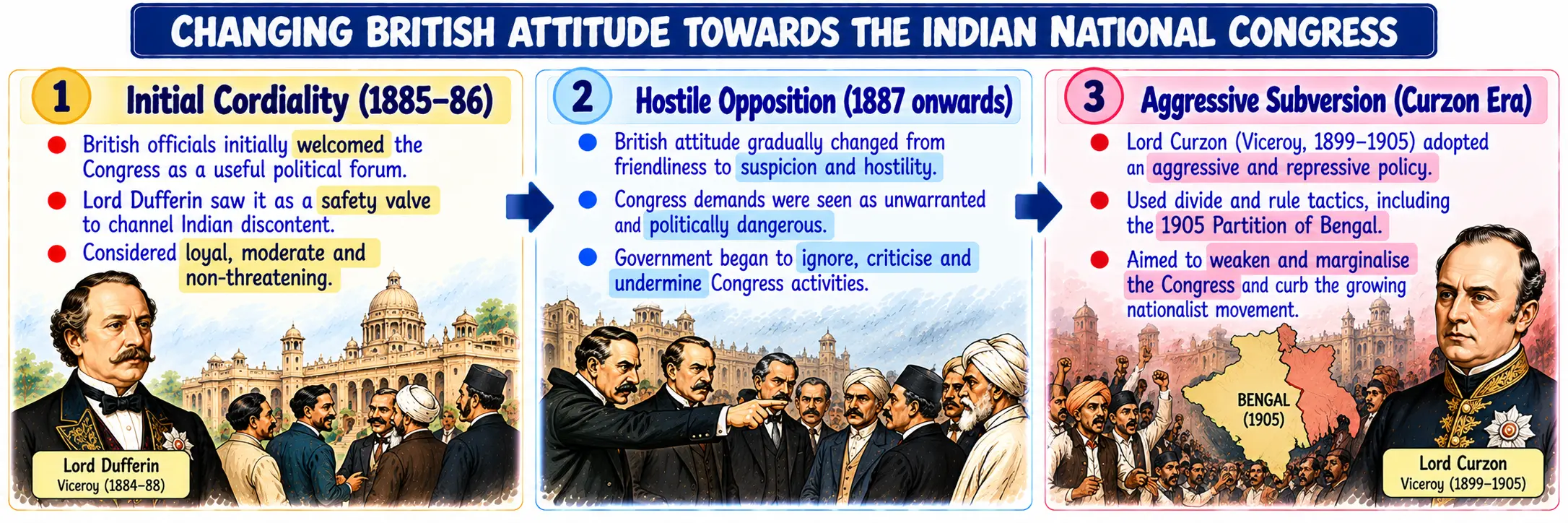 Figure 9: Evolution of Official British Policy from Cordiality to Subversion
- Initial Tolerance (1885–1886): British officials initially viewed the Congress as an innocuous discussion forum. Viceroy Lord Dufferin hosted delegates at a garden tea party during the second annual session in Calcutta (1886).
- Growing Hostility (1887 onwards): As Congress resolutions grew more critical of state expenditure and bureaucratic policies, colonial administrators turned openly hostile:
- Lord Dufferin publicly dismissed the Congress in 1888 as representing a mere “Microscopic Minority” of the Indian populace.
- In 1890, the government issued an official circular barring civil servants from attending Congress proceedings or participating in its sessions.
- Lord Curzon expressed his open disdain in 1900, writing to the Secretary of State: “The Congress is tottering to its fall, and one of my great ambitions while in India is to assist it to a peaceful demise.”
- Fostering Communal Counterweights: Colonial authorities cultivated pro-British communal associations to counter Congress influence, providing patronage to figures like Sir Syed Ahmad Khan and Raja Shiv Prasad of Benares, who launched the United Indian Patriotic Association in 1888.
8. Limitations and Evaluation of the Moderates
- Narrow Social Foundation: The early Congress remained an urban elite circle composed of lawyers, doctors, teachers, journalists, landlords, and merchants, failing to incorporate the agrarian peasantry, urban labor, or broader working classes.
- Skepticism of Mass Action: Early leaders doubted the readiness of the general masses for structured political action, believing national leadership should reside exclusively with educated elites.
- Criticism of Political “Mendicancy”: Younger assertive leaders (the Extremists—Bal Gangadhar Tilak, Bipin Chandra Pal, Lala Lajpat Rai, and Aurobindo Ghose) criticized the Moderate methodology of petitions as ineffective “Political Mendicancy.”
Despite these limitations, the Moderates performed the indispensable historic service of articulating modern Indian nationalism. They popularized democratic concepts, unified regional leadership, exposed the economic mechanics of imperial exploitation, and laid down the political apparatus that enabled Tilak and Mahatma Gandhi to build subsequent mass movements.
9. Quick Examination Facts
| Topic / Milestone | Key Exam Fact |
|---|---|
| Founder of Landholders’ Society (1838) | Dwarkanath Tagore (First organized political forum in India) |
| Founders of Indian Association (1876) | Surendranath Banerjea and Ananda Mohan Bose |
| Leader of “Indian Civil Service Agitation” | Surendranath Banerjea (Opposed lowering age limit to 19 years) |
| Founder of East India Association (1866) | Dadabhai Naoroji (London) |
| Founders of Bombay Presidency Association | Pherozeshah Mehta, K.T. Telang, and Badruddin Tyabji (1885) |
| Viceroy during Founding of INC | Lord Dufferin (1884 – 1888) |
| Venue & Date of First INC Session | December 28–31, 1885; Gokuldas Tejpal Sanskrit College, Bombay |
| First President of INC | Womesh Chandra Bonnerjee (W.C. Bonnerjee) |
| Total Delegates at First Session | 72 delegates |
| Originator of “Safety Valve” Theory | Lala Lajpat Rai in Young India (1916) |
| Originator of “Lightning Conductor” Theory | Gopal Krishna Gokhale (1913) |
| Author of Poverty and Un-British Rule in India | Dadabhai Naoroji (Drain of Wealth Theory) |
| Author of The Economic History of India | Romesh Chunder Dutt (R.C. Dutt) (1901) |
| First Muslim President of INC | Badruddin Tyabji (1887, Madras Session) |
| First British / European President of INC | George Yule (1888, Allahabad Session) |
| First Woman to Address an INC Session | Kadambini Ganguly (1890, Calcutta Session) |
| Viceroy Dismissing INC as “Microscopic Minority” | Lord Dufferin (1888) |
| Viceroy Aiming to Assist INC to “Demise” | Lord Curzon (1900) |
| Major Act Passed under Moderate Agitation | Indian Councils Act of 1892 (Budget discussion allowed) |
| Organization Formed to Oppose INC (1888) | United Indian Patriotic Association (Sir Syed Ahmad Khan & Raja Shiv Prasad) |
10. Conclusion
The period from 1885 to 1905 was a foundational era in the development of modern Indian national consciousness. What began as a convention of 72 representatives in Bombay evolved into a resilient, permanent all-India political platform. While constitutional petitions could not wrest major concessions from imperial authorities, the systematic economic critique dismantled the moral credibility of British colonial rule. This growing awareness laid the groundwork for the emergence of assertive nationalism and the historic Swadeshi Movement of 1905.
Growth of Modern Nationalism and the Foundation of INC
Practice Quiz • 15 MCQs