Home Rule League Movement, Lucknow Pact, and the Advent of Mahatma Gandhi (1915 – 1918 CE)
Out of this wartime ferment emerged a dynamic revival of political agitation. Disillusioned with the prolonged inactivity following the Surat Split of 1907, nationalist forces coalesced around two parallel currents: the Home Rule League Movement led by Bal Gangadhar Tilak and Annie Besant, and the historic inter-communal rapprochement forged at the Lucknow Congress of 1916. Simultaneously, the return of Mohandas Karamchand Gandhi from South Africa marked the dawn of a transformative grassroots technique—Satyagraha—which reshaped the course of the Indian freedom struggle.
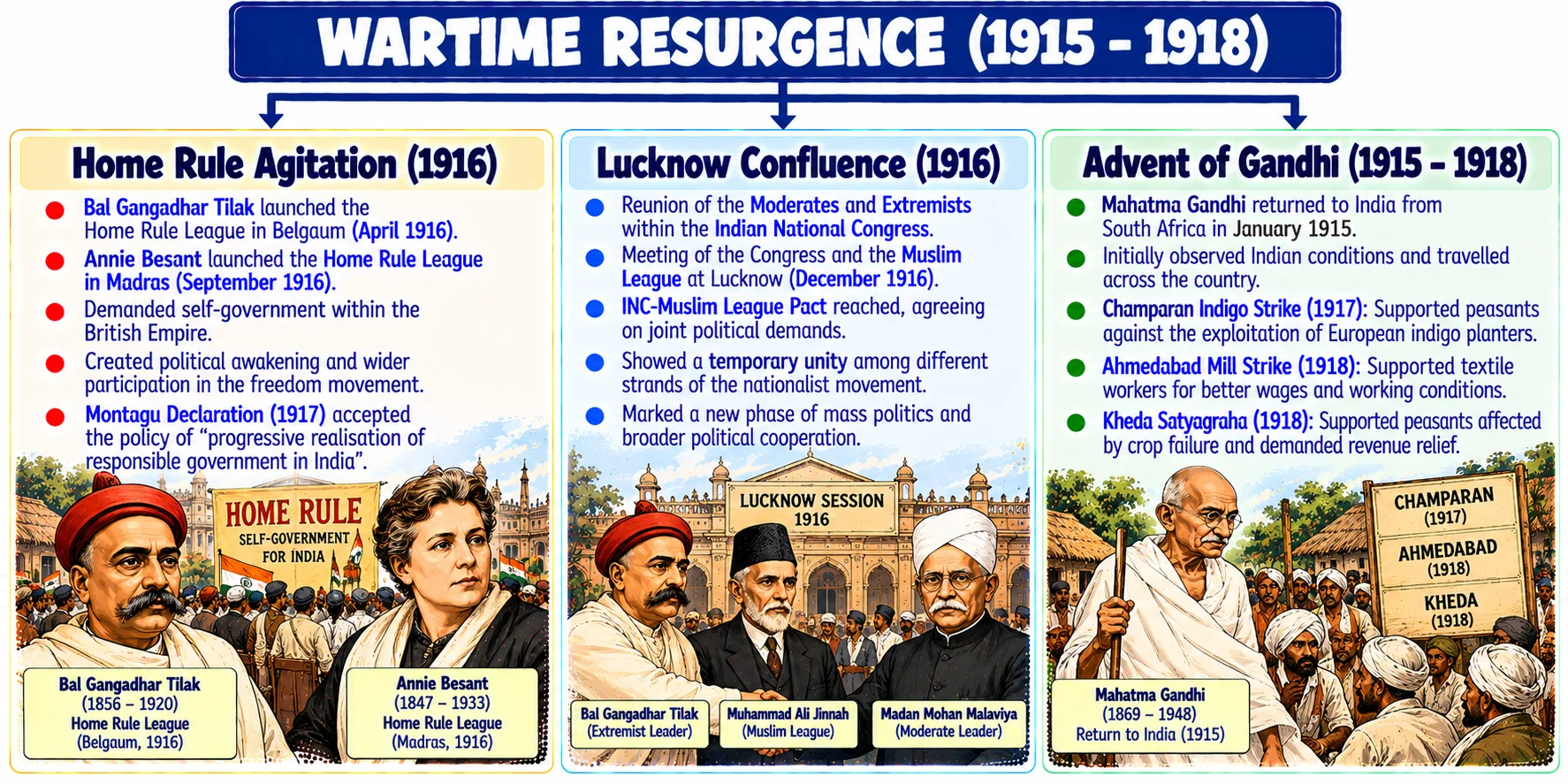 Figure 1: Strategic Drivers of Wartime Nationalist Resurgence
- Home Rule Agitation (1916): Parallel organizational mobilization led by Tilak’s League (Belgaum) and Besant’s League (Madras), culminating in the Montagu Declaration of 1917.
- Lucknow Confluence (1916): Historic dual convergence bringing Moderates and Extremists back together, alongside the formal Congress-League Pact.
- Advent of Gandhi (1915–1918): Return from South Africa in 1915 and localized testing of Satyagraha through Champaran, Ahmedabad, and Kheda.
1. The Home Rule League Movement (1916 – 1918 CE)
The Home Rule Movement was the Indian response to the First World War, modeled deliberately on the lines of the Irish Home Rule Movement. It was pioneered by two dynamic leaders: the released Extremist stalwart Bal Gangadhar Tilak and the Irish Theosophist Annie Besant.
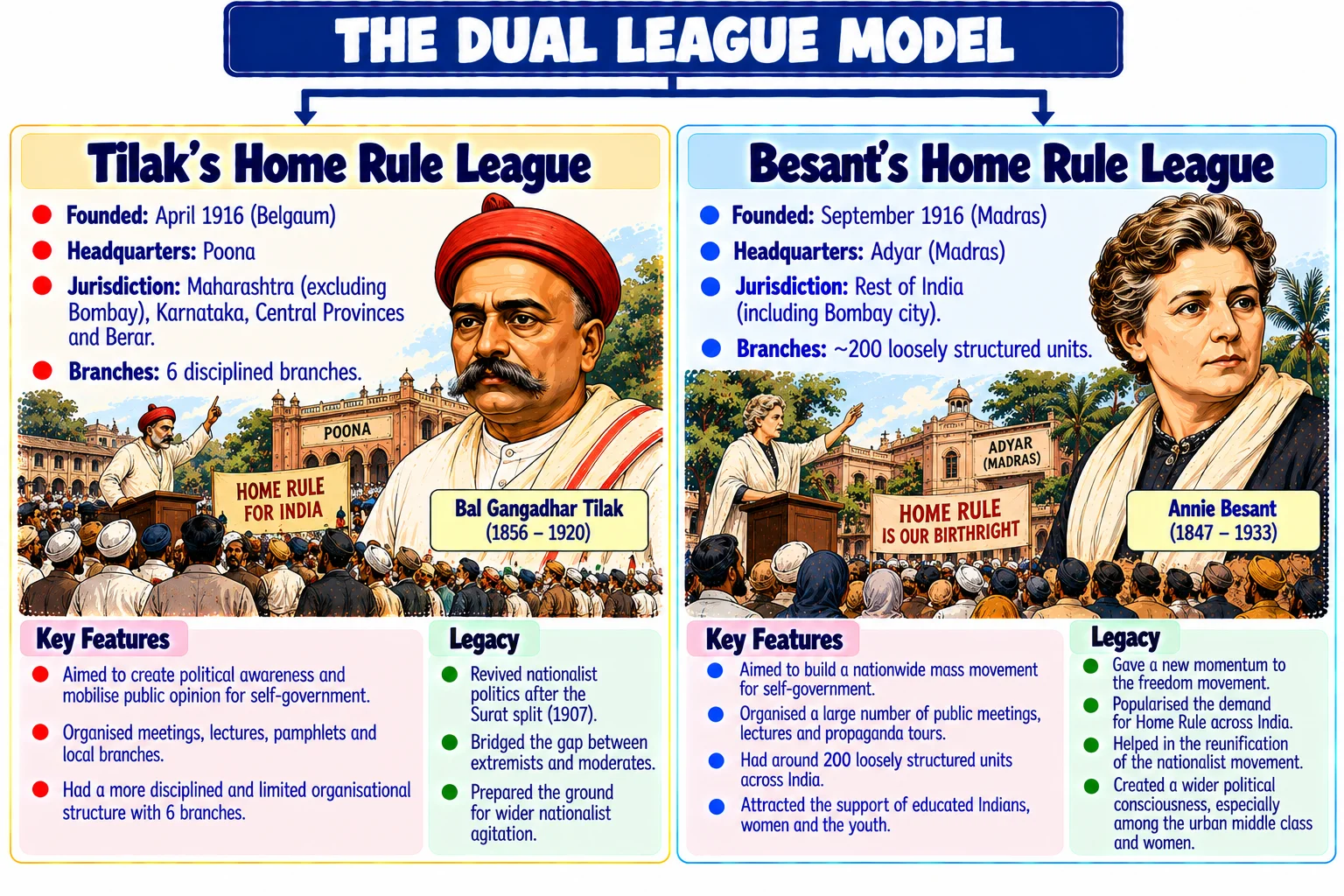 Figure 2: Organizational Comparison of Tilak’s and Besant’s Home Rule Leagues
A. Factors Leading to the Movement
- Wartime Economic Burden: Spiraling prices of essential commodities, wartime profiteering by European merchants, and heavy grain exports drained domestic resources.
- Release of Bal Gangadhar Tilak: Released in June 1914 after six years of rigorous imprisonment in Mandalay Jail (Burma), Tilak recognized the urgency of re-animating the stalled nationalist machinery without provoking immediate state prohibition.
- Shattering of Imperial Prestige: Initial British military disasters in the Dardanelles, Mesopotamia, and France shattered the prevailing myth of European racial and military invincibility.
- Annie Besant’s Campaign: Arriving with Irish nationalist experience, Besant campaigned through her daily newspaper New India and weekly journal Commonweal, arguing that “England’s need is India’s opportunity.”
B. Tilak’s Home Rule League
- Inauguration: Launched at the Bombay Provincial Conference held at Belgaum in April 1916.
- Territorial Jurisdiction: Confined to six disciplined branches operating in Maharashtra (excluding Bombay City), Karnataka, the Central Provinces, and Berar.
- Key Demands: Self-government (Swarajya), formation of linguistic states, and education in the vernacular tongue. Tilak famously roared: “Swaraj is my birthright, and I shall have it!”
- Propaganda Organs: Advanced nationalist consciousness through his two legendary journals, Kesari (Marathi) and The Mahratta (English).
C. Annie Besant’s Home Rule League
- Inauguration: Established at Madras in September 1916, after failing to secure immediate formal sanction from the moderate-dominated Indian National Congress.
- Organization: Set up headquarters at Adyar (Madras) with George Arundale as Organizing Secretary, B.P. Wadia, and C.P. Ramaswamy Aiyar.
- Territorial Span: Covered the entirety of British India not allocated to Tilak, encompassing over 200 loosely structured branches including Bombay city, Gujarat, the United Provinces, Bihar, and Madras.
- Prominent Entrants: Attracted prominent leaders including Jawaharlal Nehru, Muhammad Ali Jinnah (who headed the Bombay branch), Bhulabhai Desai, Chittaranjan Das, and Lala Lajpat Rai.
D. Government Repression and Decline
- Arrest of Leaders: In June 1917, the colonial government arrested Annie Besant, George Arundale, and B.P. Wadia in Ootacamund, triggering national outrage.
- Protest and Renunciation: Sir S. Subramania Iyer publicly renounced his Knighthood in protest. Moderate leaders like Surendranath Banerjea and Madan Mohan Malaviya, who had previously stayed aloof, threw their support behind the Leagues.
- Decline and Transition:
- Facing widespread defiance, Secretary of State Edwin Montagu released Besant in September 1917. She was elected President of the Calcutta Congress Session in December 1917, becoming the first woman President of the INC.
- Tilak departed for London in September 1918 to pursue a libel case against British journalist Valentine Chirol, who had branded him the “Father of Indian Unrest” in his book Indian Unrest.
- The movement gradually dissolved into the emerging Non-Cooperation wave under Gandhi’s leadership. In 1920, Gandhi accepted the presidency of the All-India Home Rule League, subsequently renaming it the Swarajya Sabha.
2. The Historic Lucknow Session and the Lucknow Pact (1916 CE)
The 31st Session of the Indian National Congress, held at Lucknow in December 1916 under the presidency of veteran Bengali leader Ambica Charan Majumdar, was a landmark in modern Indian political consolidation. It achieved dual political convergence: reuniting the fractured wings of the Congress and forging a historic inter-communal alliance with the All-India Muslim League.
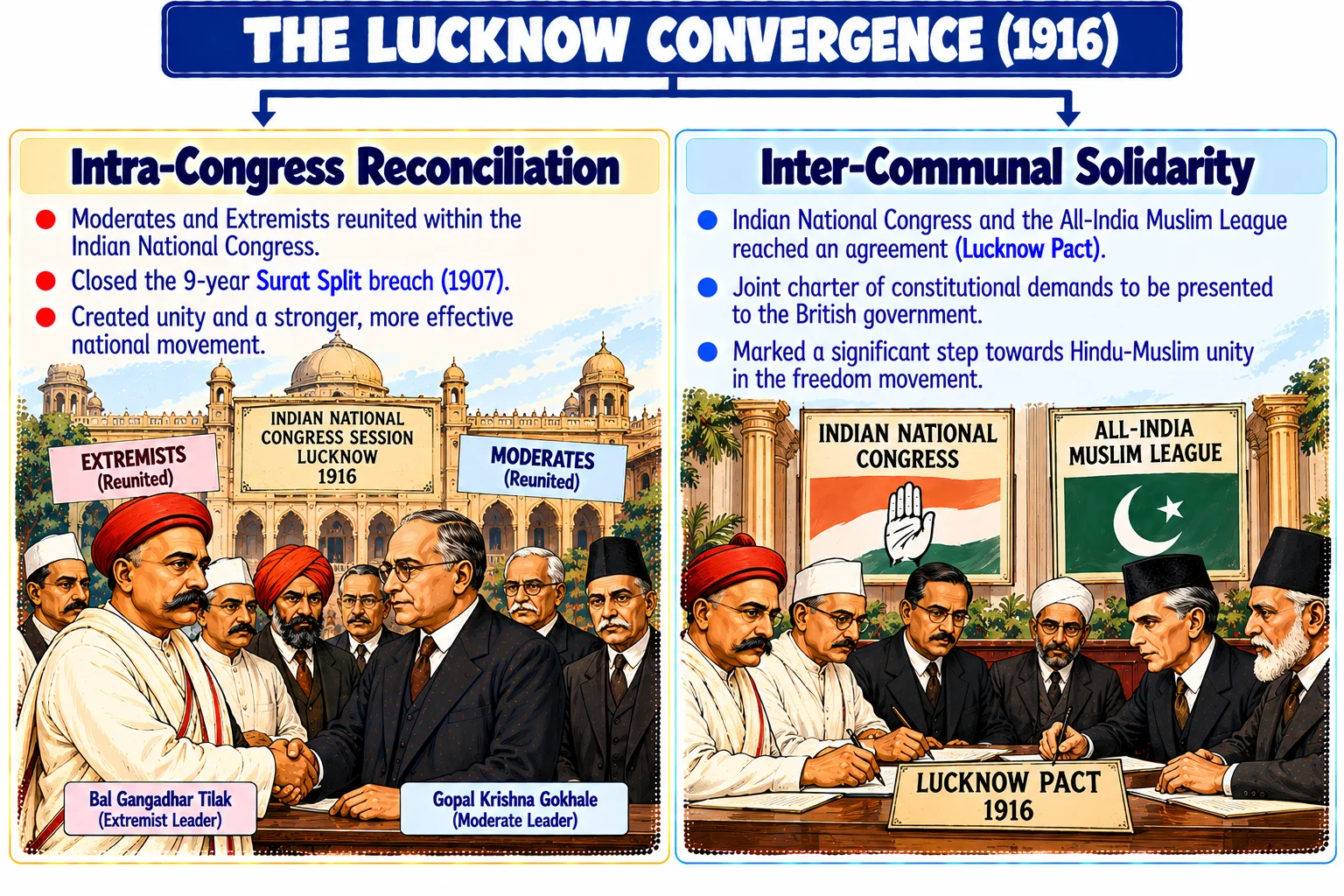 Figure 3: Dual Pillars of the Historic 1916 Lucknow Convergence
A. Reunion of Moderates and Extremists
- Following the bitter split at Surat in 1907, the Congress had been reduced to a cautious, inactive body dominated by Pherozeshah Mehta and Gopal Krishna Gokhale.
- By late 1915, both Gopal Krishna Gokhale and Pherozeshah Mehta had passed away, removing the strongest conservative resistance to the radical faction.
- Through persistent mediation by Annie Besant and Tilak, the Congress constitution was amended, allowing the Extremist faction to re-enter the INC fold at Lucknow amid scenes of universal celebration.
B. The Lucknow Pact (1916 CE) — Congress-League Scheme
Simultaneously, the Indian National Congress and the All-India Muslim League held their annual sessions concurrently at Lucknow, ratifying a joint political program known historically as the Lucknow Pact (or the Congress-League Scheme).
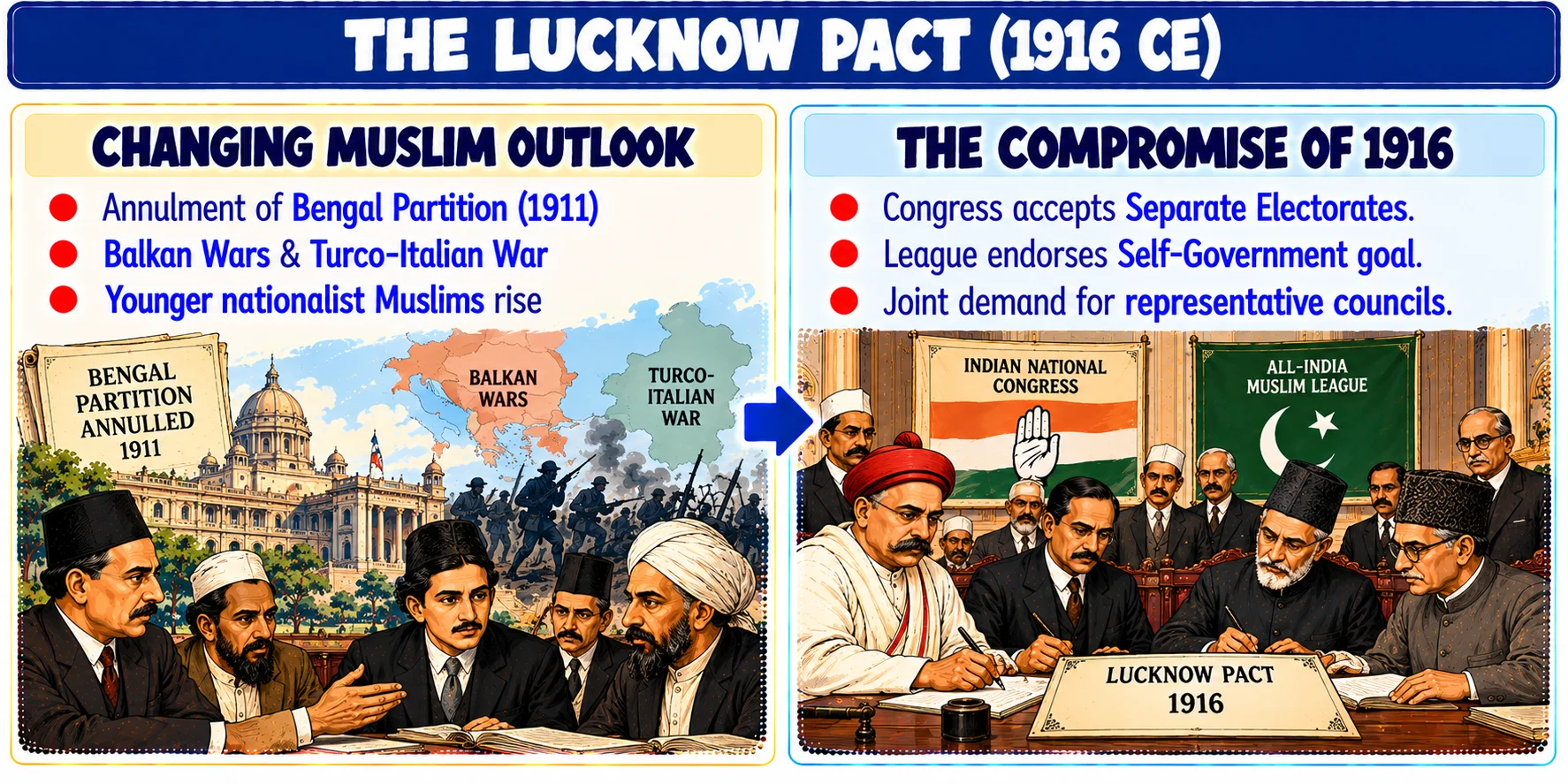 Figure 4: Drivers and Terms of the Historic Congress-League Compromise
- Factors Driving Rapprochement:
- Annulment of Bengal Partition (1911): The surprise reversal by King George V angered conservative Muslim elites who viewed East Bengal as a secure socio-political stronghold.
- Pan-Islamic Discontent: British hostilities against the Ottoman Empire during the Balkan Wars (1912–13) and World War I alienated Indian Muslims who revered the Turkish Sultan as their Caliph (Khalifa).
- Progressive Leadership: Younger leaders—such as Muhammad Ali Jinnah, Maulana Abul Kalam Azad (editor of Al-Hilal), and the Ali Brothers—sought unity with the Congress. Jinnah served as the chief architect of the pact, earning the title of “Ambassador of Hindu-Muslim Unity” from Sarojini Naidu.
- Major Provisions of the Pact:
- Separate Electorates Accepted: The Congress formally conceded the principle of separate communal electorates for Muslims (originally instituted in 1909).
- Weighted Representation: Fixed ratios of Muslim seats were agreed upon: 50% in Punjab, 40% in Bengal, 30% in United Provinces, 25% in Bihar, and one-third (33.3%) of all elected Indian seats in the Central Legislature.
- Minority Veto: No legislative bill affecting a community could proceed if three-fourths (75%) of its members in that council opposed it.
- Joint Constitutional Demands: Self-government promised at an early date, expansion of provincial councils with 80% elected members, fiscal autonomy, and complete separation of judiciary from the executive.
- Historical Critique: While the pact created a powerful front against British rule, it carried a serious long-term structural vulnerability: by bargaining on communal terms, Congress implicitly recognized the Muslim League as the representative of all Indian Muslims, institutionalizing communal politics that eventually influenced the trajectory toward Partition in 1947.
3. The Montagu Declaration of 1917 (“August Declaration”)
Alarmed by the spread of the Home Rule movement, the British Government shifted its strategic approach from direct repression to constitutional appeasement. On August 20, 1917, Secretary of State for India Edwin Samuel Montagu made a historic policy statement in the British House of Commons:
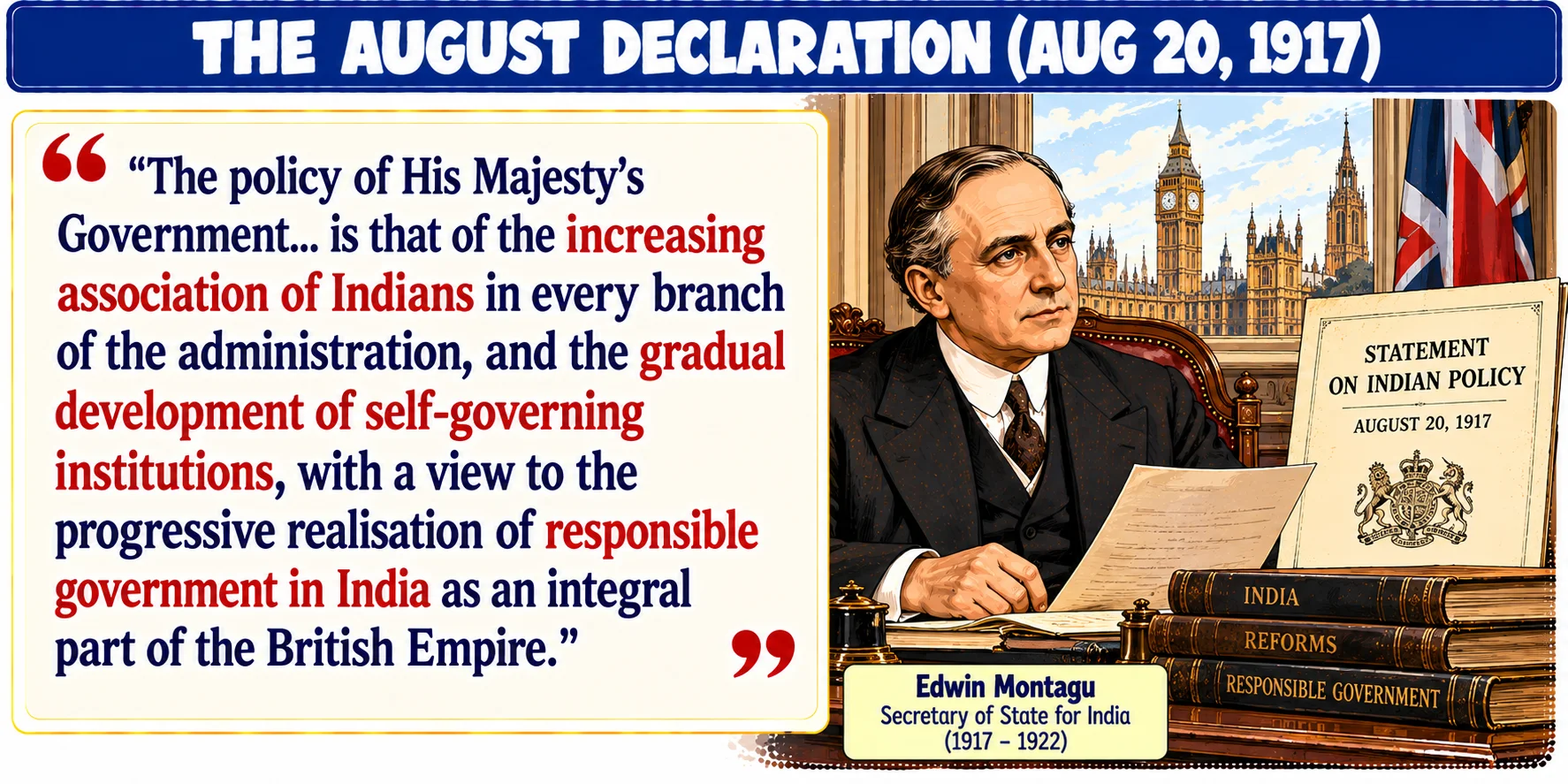 Figure 5: Edwin Montagu’s Historic Declaration on Responsible Government
“The policy of His Majesty’s Government… is that of the increasing association of Indians in every branch of the administration, and the gradual development of self-governing institutions, with a view to the progressive realisation of responsible government in India as an integral part of the British Empire.”
- Significance: For the first time, the British Crown formally recognized the demand for “Responsible Government” as the ultimate objective of British policy in India.
- Nationalist Response: Moderates welcomed the declaration as the “Magna Carta of India,” whereas Tilak and Extremists characterized it as vague, conditional, and “a sunless dawn.”
- Outcome: Laid the foundation for the Montagu-Chelmsford Report (1918) and the Government of India Act of 1919.
4. The Advent of Mahatma Gandhi (1915 – 1918 CE)
While the Home Rule agitation mobilized urban middle-class populations, the return of Mohandas Karamchand Gandhi from South Africa transformed Indian nationalism into an all-India mass movement.
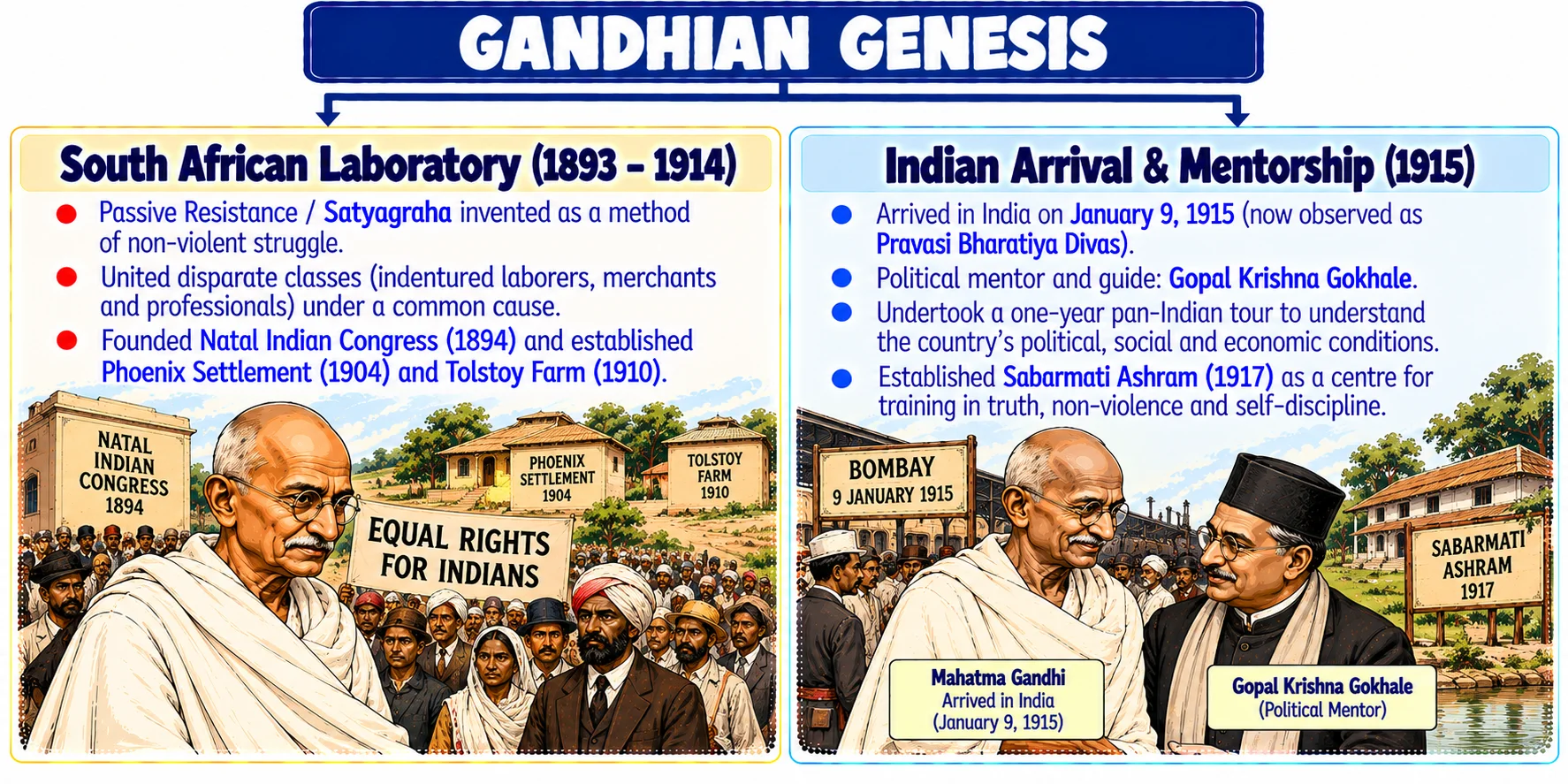 Figure 6: Gandhi’s Formative Evolution: From South Africa to National Leadership
A. The South African Crucible (1893 – 1914 CE)
- Arrival & Struggles: Traveled to South Africa in 1893 to represent merchant Dada Abdulla. Confronted by systemic racial discrimination, he dedicated two decades to defending the civil rights of Indian immigrants.
- Organizational Foundations: Founded the Natal Indian Congress (1894) and established the journal Indian Opinion (1903) to unite indentured laborers and merchants.
- Communal Living Experiments: Established the Phoenix Settlement near Durban (1904, inspired by Ruskin’s Unto This Last) and Tolstoy Farm near Johannesburg (1910, with Hermann Kallenbach), practicing manual labor and self-reliance.
- Evolution of Satyagraha: Developed Satyagraha (“devotion to truth”) to oppose the Asiatic Registration Act (1906), invalidation of non-Christian marriages, and the £3 poll tax, ultimately negotiating the Indian Relief Act (1914) with General Jan Smuts.
B. Return to India and the Preparation Phase (1915 – 1916 CE)
- Arrival in Bombay: Landed at Apollo Bunder, Bombay, on January 9, 1915 (commemorated annually as Pravasi Bharatiya Divas).
- Gokhale’s Guidance: His political mentor, Gopal Krishna Gokhale, advised him to spend his first year touring the country with his “ears open and mouth shut” to understand ground realities before entering active politics.
- Establishment of the Ashram: Founded the Satyagraha Ashram at Kochrab (1915), shifting it in 1917 to the banks of the River Sabarmati (Sabarmati Ashram), serving as the center for constructive work and non-violent training.
5. Gandhi’s Early Regional Experiments (1917 – 1918 CE)
Before launching nationwide agitations, Gandhi tested his methods in three localized regional struggles:
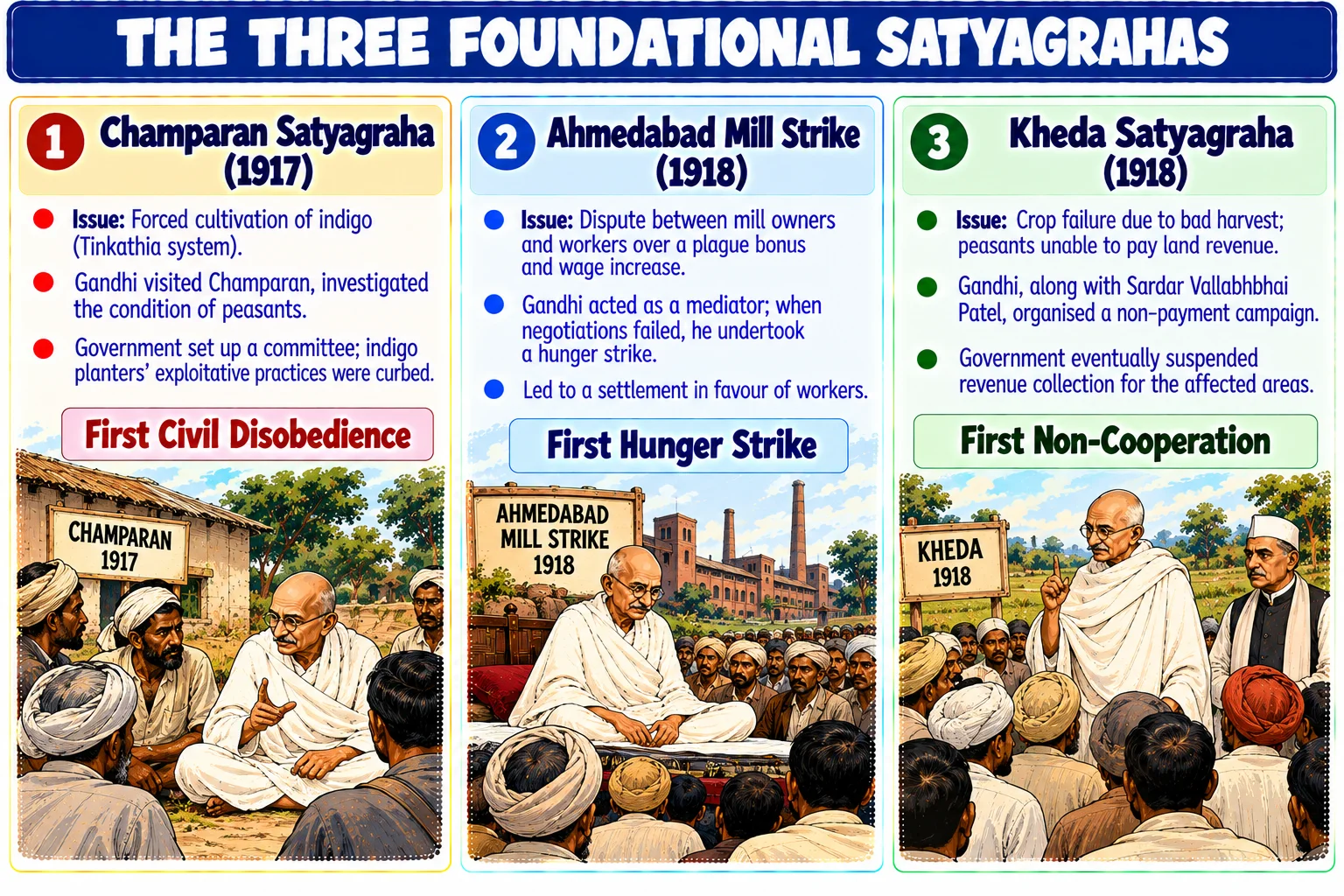 Figure 7: Overview of Gandhi’s Early Satyagraha Campaigns (1917–1918)
A. Champaran Satyagraha (1917 CE) — First Civil Disobedience
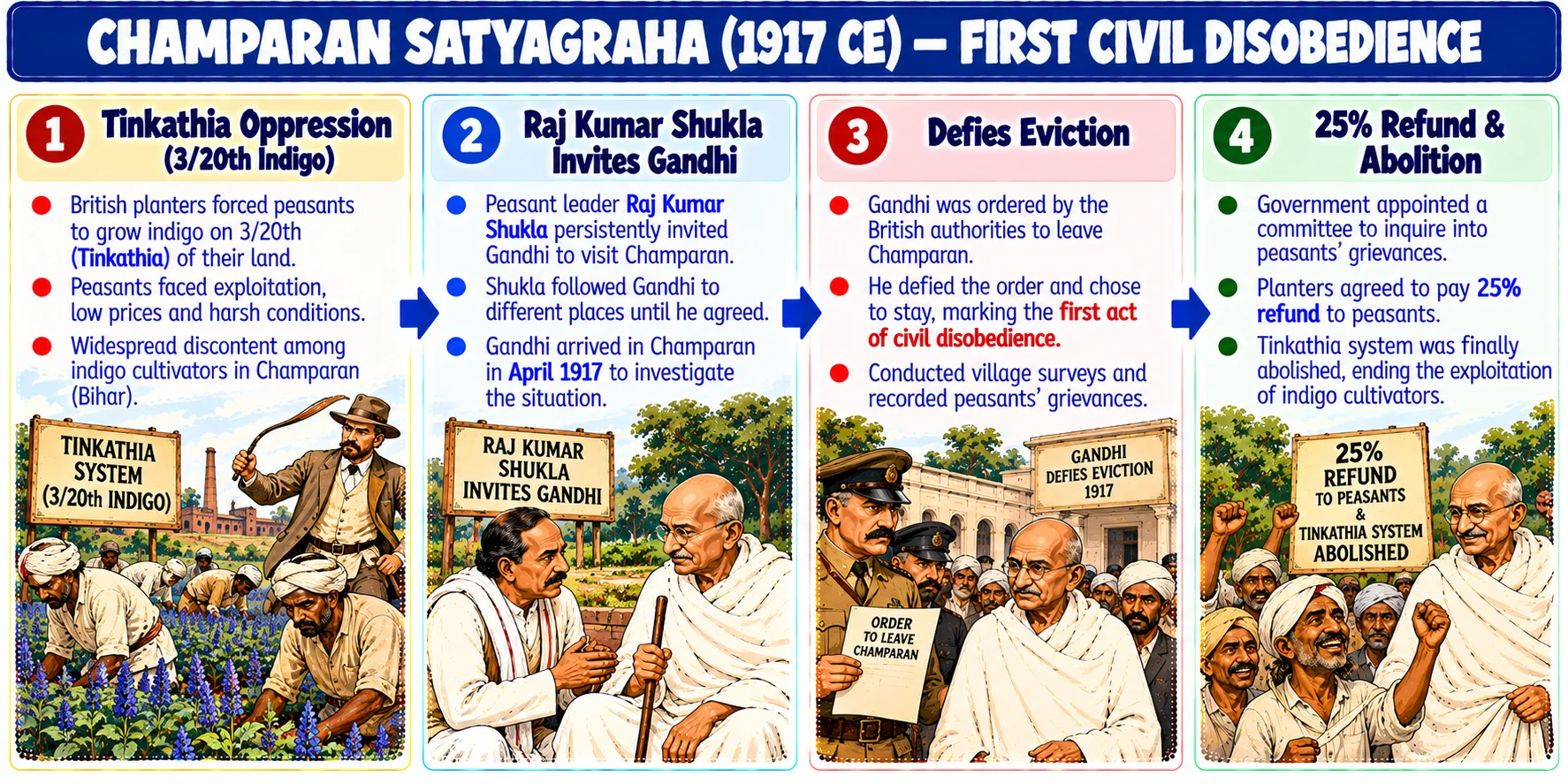 Figure 8: Progression of the Champaran Campaign against the Tinkathia System
- The Grievance: In the Champaran district of Bihar, European planters enforced the Tinkathia System, compelling peasants to cultivate indigo on 3/20th of their holdings. When synthetic German chemical dyes made natural indigo unprofitable, planters demanded steep rent hikes (Sharahbeshi) and illegal cesses (Tawan) to release them from contracts.
- The Intervention: Local cultivator Raj Kumar Shukla persuaded Gandhi at the 1916 Lucknow Congress to visit Champaran. When the District Magistrate ordered him to leave, Gandhi refused, declaring his willingness to accept punishment in obedience to conscience—marking India’s First Civil Disobedience.
- Associates & Success: Supported by Dr. Rajendra Prasad, J.B. Kripalani, Mahadev Desai, Narhari Parikh, and Brajkishore Prasad. The official Commission of Inquiry (with Gandhi as a member) abolished the Tinkathia system, and planters were forced to refund 25% of the extorted dues.
B. Ahmedabad Mill Strike (1918 CE) — First Hunger Strike
- The Dispute: Conflict arose between Ahmedabad cotton mill owners and workers over the withdrawal of the “Plague Bonus.” Owners offered a 20% wage increase, while workers demanded a 50% raise to cope with steep wartime inflation.
- Intervention & Fast: Invited by social worker Anasuya Sarabhai. Gandhi evaluated living costs, advised workers to insist on a realistic 35% wage increase, and undertook his first fast unto death in India to bolster workers’ resolve.
- Outcome: Mill owners agreed to arbitration on the third day of the fast, and the tribunal awarded the full 35% wage hike.
C. Kheda Satyagraha (1918 CE) — First Non-Cooperation
- The Agrarian Crisis: Crop failure caused by drought hit the Kheda district of Gujarat. Under the revenue code, a yield below 25% entitled cultivators to a full suspension of land revenue. Colonial authorities ignored the rule, enforcing full collection through property attachments.
- Leadership: Gandhi provided moral direction, while young barrister Vallabhbhai Patel abandoned his legal career to serve as field organizer, accompanied by Indulal Yagnik and Mohanlal Pandya.
- First Non-Cooperation: Urged peasants to withhold revenue payments despite government seizures. Authorities subsequently issued confidential instructions to collect revenue only from those capable of paying, leaving impoverished cultivators unpenalized.
6. Quick Examination Facts
| Topic / Feature | Key Exam Fact |
|---|---|
| Founder of Home Rule League at Belgaum (April 1916) | Bal Gangadhar Tilak (Headquarters: Poona) |
| Founder of Home Rule League at Madras (Sept 1916) | Annie Besant (Headquarters: Adyar) |
| Journals published by Tilak for Home Rule | Kesari (Marathi) and The Mahratta (English) |
| Journals published by Annie Besant | New India and Commonweal |
| Leader who renounced Knighthood over Besant’s arrest | Sir S. Subramania Iyer (1917) |
| First Woman President of the INC | Annie Besant (Calcutta Session, 1917) |
| President of the 1916 Lucknow Session of INC | Ambica Charan Majumdar (A.C. Majumdar) |
| Key Accomplishment of 1916 Lucknow Congress | Reunion of Moderates and Extremists after 1907 Surat Split |
| Key Architects of the 1916 Lucknow Pact | Muhammad Ali Jinnah and Bal Gangadhar Tilak |
| Controversial Concession made by INC in Lucknow Pact | Formal acceptance of Separate Communal Electorates for Muslims |
| Date of the Montagu Declaration (August Declaration) | August 20, 1917 (Promised progressive self-government) |
| Date Gandhi Returned to India from South Africa | January 9, 1915 (Observed as Pravasi Bharatiya Divas) |
| Political Mentor (Guru) of Mahatma Gandhi | Gopal Krishna Gokhale |
| Gandhi’s First Civil Disobedience in India | Champaran Satyagraha (1917) in Bihar |
| Peasant Leader who Invited Gandhi to Champaran | Raj Kumar Shukla |
| Oppressive Indigo System in Champaran | Tinkathia System (3/20th compulsory indigo cultivation) |
| Gandhi’s First Hunger Strike in India | Ahmedabad Mill Strike (1918) (35% wage hike secured) |
| Gandhi’s First Non-Cooperation Movement in India | Kheda Satyagraha (1918) in Gujarat |
| Key Lieutenant who emerged during Kheda Satyagraha | Sardar Vallabhbhai Patel |
7. Conclusion
The years between 1915 and 1918 bridged early elite-driven nationalism and the modern mass-based freedom struggle. The Home Rule Leagues of Tilak and Besant revived political consciousness after the post-Surat lull, institutionalizing public meetings, political tracts, and vernacular mobilization. The Lucknow Congress achieved unprecedented unity, bridging the ideological gap between Moderates and Extremists while aligning the Congress with the Muslim League. Most importantly, the period established the operational efficacy of Mahatma Gandhi’s leadership. Through Champaran, Ahmedabad, and Kheda, Gandhi demonstrated that ordinary peasants and industrial workers—when organized around Satya (truth) and Ahimsa (non-violence)—could challenge the colonial administrative apparatus, setting the stage for the countrywide anti-colonial movements of the 1920s.
Home Rule Movement, Lucknow Pact & Advent of Gandhi
Practice Quiz • 15 MCQs