Socio-Religious Reform Movements in the 19th Century: Brahmo Samaj, Arya Samaj, Ramakrishna Mission, and Aligarh Movement
Faced with colonial critique and internal stagnation—marked by the dehumanizing caste system, untouchability, female infanticide, child marriage, forced widowhood, and religious superstition—a generation of enlightened thinkers arose. They sought to cleanse and revitalize Indian society from within, striking a delicate balance between preserving civilizational heritage and embracing modern progress.
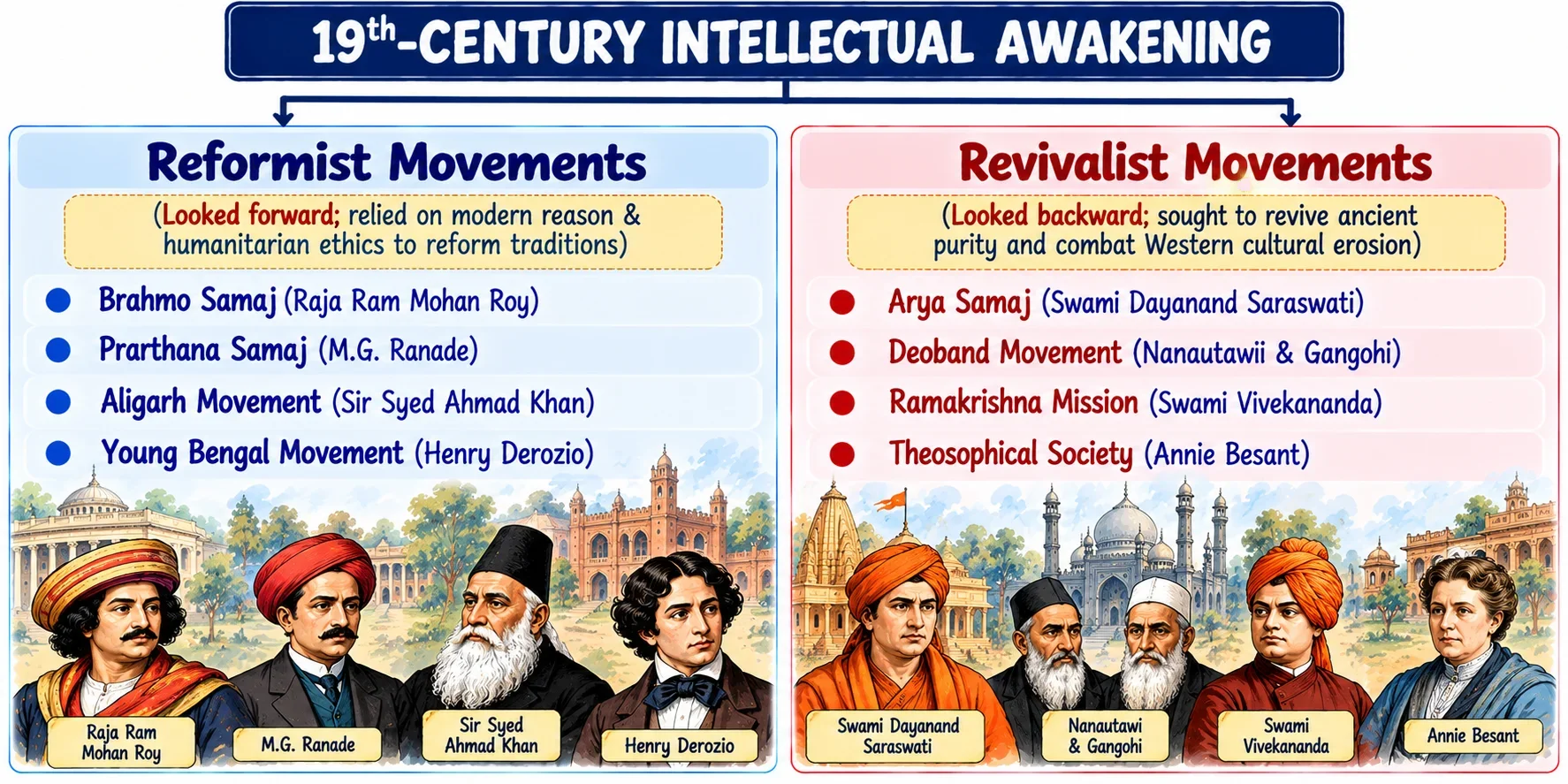 Figure 1: Dual Streams of the 19th-Century Indian Renaissance
- Reformist Movements: Looked forward; relied on modern reason and humanitarian ethics to reform traditions from within (e.g., Brahmo Samaj, Prarthana Samaj, Aligarh Movement, Young Bengal Movement).
- Revivalist Movements: Looked backward; sought to revive ancient scriptural purity and combat Western cultural erosion (e.g., Arya Samaj, Ramakrishna Mission, Deoband Movement, Theosophical Society).
1. Factors Behind the Rise of Reform Movements
The emergence of reform movements was catalyzed by dynamic socio-economic and intellectual forces:
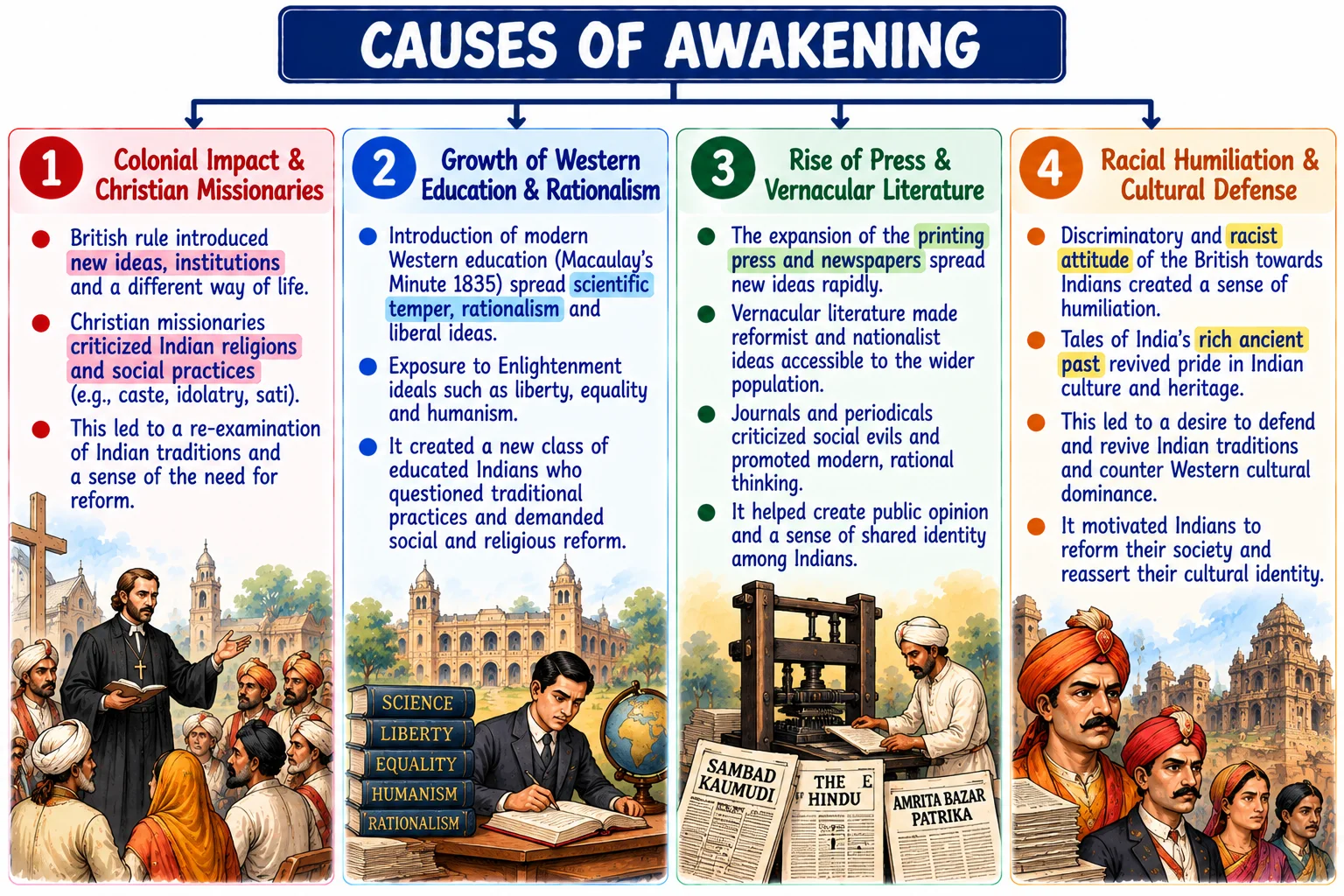 Figure 2: Catalytic Factors Behind the 19th-Century Awakening
- Impact of Western Ideals: The introduction of English education exposed Indian intellectuals to European Enlightenment ideas—individual liberty, rationalism, equality, and scientific inquiry (pioneered by thinkers like Voltaire, Rousseau, Paine, and Bentham).
- Critique by Christian Missionaries: Following the Charter Act of 1813, Christian missionaries launched aggressive attacks on idolatry, polytheism, Sati, and the caste system, compelling Indian thinkers to introspect and weed out regressive distortions from their scriptures.
- Role of the Print Press: The proliferation of vernacular newspapers, periodicals, and printing presses allowed reformers to communicate directly with the masses, debate orthodox religious scholars (Pandits and Maulvis), and mobilize public opinion.
- Rise of the Educated Middle Class: A newly emerging class of lawyers, teachers, journalists, doctors, and civil servants provided the intellectual vanguard and organizational backbone for social reform.
2. Hindu Reform Movements: Eastern India
A. Raja Ram Mohan Roy and the Brahmo Samaj
Hailed as the “Father of the Indian Renaissance” and the “Pioneer of Modern India,” Raja Ram Mohan Roy (1772 – 1833) was a towering polyglot proficient in Sanskrit, Persian, Arabic, English, Greek, Hebrew, and Latin.
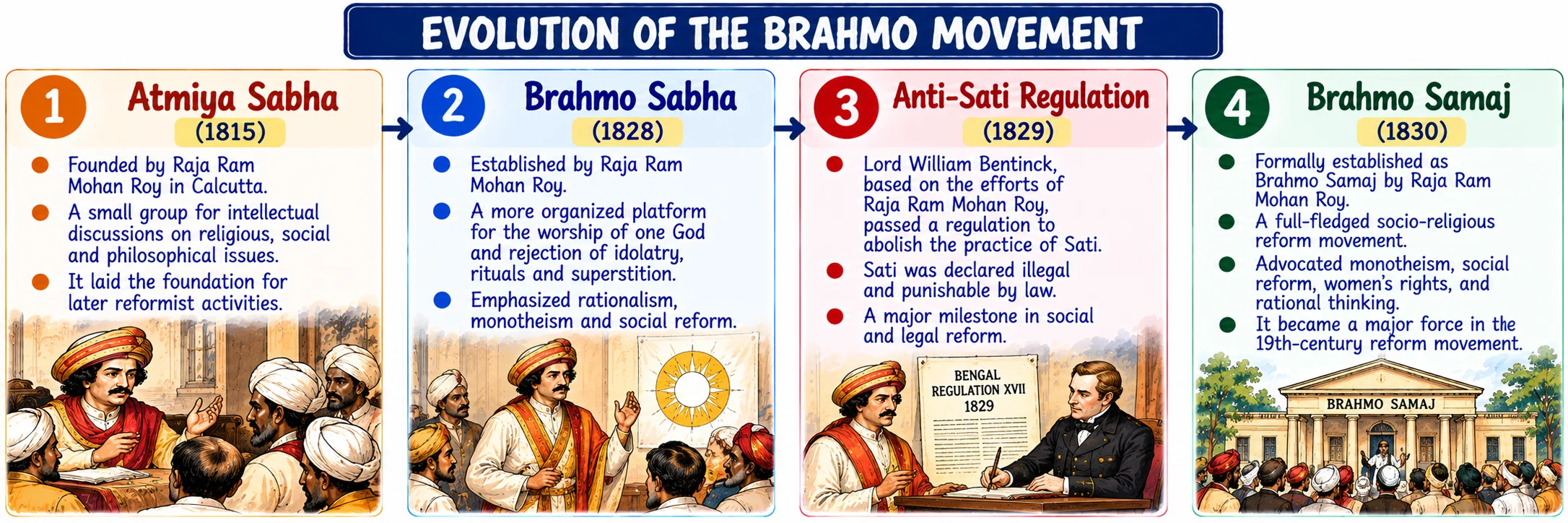 Figure 3: Four Key Milestones of Raja Ram Mohan Roy’s Brahmo Movement
- Philosophical Monotheism:
- Wrote Gift to Monotheists (Tuhfat-ul-Muwahhidin) in Persian (1803), arguing that ancient Hindu scriptures taught monotheism and condemned idol worship and ritual sacrifice.
- Translated the Vedas and five principal Upanishads into Bengali to demonstrate that contemporary orthodoxy had deviated from foundational texts.
- Published Precepts of Jesus (1820), separating the ethical and moral teachings of Christ from miracle narratives.
- Institutional Foundations:
- Founded the Atmiya Sabha (Society of Friends) in Calcutta in 1815 for philosophical discussions against idolatry, caste rigidity, and meaningless rituals.
- Founded the Brahmo Sabha on August 20, 1828, which was formally renamed the Brahmo Samaj in 1830. The Samaj was dedicated to the worship of the formless, omnipresent Brahma without idols, rituals, animal sacrifices, or hereditary priesthood.
- Supported David Hare in founding the Hindu College at Calcutta (1817) and established the Vedanta College (1825) offering courses in both Indian philosophy and modern Western sciences.
- Crusade Against Sati:
- Witnessing his sister-in-law burn alive on his brother’s funeral pyre, Ram Mohan launched an unrelenting campaign against the barbaric practice of Sati (widow immolation).
- Proved through ancient texts that Sati lacked mandatory sanction in the Dharmashastras.
- His advocacy directly influenced Governor-General Lord William Bentinck to pass the landmark Bengal Sati Regulation (Regulation XVII of 1829 CE), declaring Sati illegal and punishable as culpable homicide.
- Journalism & Political Thought:
- Published Sambad Kaumudi (Bengali) in 1821 and Mirat-ul-Akhbar (Persian) in 1822, pioneering nationalist and rationalist public journalism in India.
- Defended freedom of the press, submitted petitions for the separation of executive and judicial functions, and called for the Indianization of superior civil services.
- The titular Mughal Emperor Akbar II bestowed upon him the title of “Raja” and sent him to England as an imperial envoy to petition for an increase in the Emperor’s royal pension. Raja Ram Mohan Roy died at Bristol, England, in 1833.
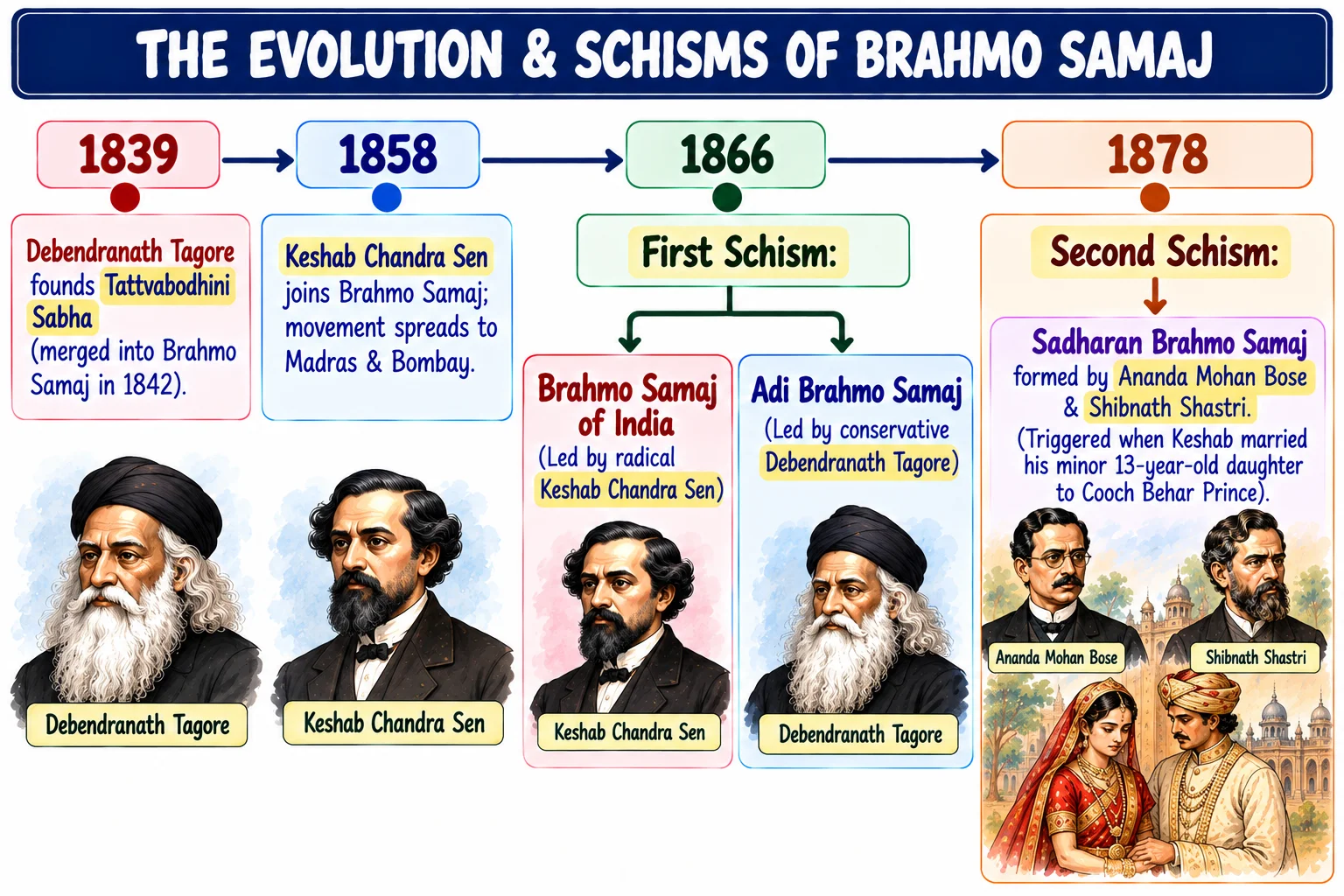 Figure 4: Organizational Evolution and Successive Schisms of the Brahmo Samaj
- 1839: Debendranath Tagore founded the Tattvabodhini Sabha (merged into Brahmo Samaj in 1842), infusing systematic spiritual study.
- 1858: Keshab Chandra Sen joined the Brahmo Samaj, expanding the movement across Madras and Bombay.
- 1866 (First Schism): Divided into the Brahmo Samaj of India (led by radical Keshab Chandra Sen) and the Adi Brahmo Samaj (led by conservative Debendranath Tagore).
- 1878 (Second Schism): The Sadharan Brahmo Samaj was formed by Ananda Mohan Bose and Shibnath Shastri after Keshab married his minor 13-year-old daughter to the Maharaja of Cooch Behar in violation of Samaj principles.
B. Young Bengal Movement (Henry Louis Vivian Derozio)
- Founder: Henry Louis Vivian Derozio (1809 – 1831), a radical Anglo-Indian teacher of English literature at Hindu College, Calcutta.
- Ideology: Inspired by the French Revolution and the radical thought of Thomas Paine, Derozio urged his disciples (the “Derozians”) to question all established authority, worship truth, reject caste traditions, and demand education for women.
- Limitation: The movement was ultra-radical, lacked deep ties with the rural peasantry, and declined prematurely following Derozio’s early death from cholera at age 22.
C. Ishwar Chandra Vidyasagar (1820 – 1891)
- Educational Reforms: Served as the Principal of Sanskrit College, Calcutta. He opened the college to non-Brahmin students and introduced modern Western curricula alongside traditional Sanskrit grammar.
- Crusade for Widow Remarriage: Produced scriptural evidence demonstrating that Vedic texts sanctioned widow remarriage. He submitted a mass petition to the government, resulting in the enactment of the Hindu Widows’ Remarriage Act (Act XV of 1856 CE) under Governor-General Lord Canning (drafted by Lord Dalhousie).
- Female Education Pioneer: Collaborated with J.E.D. Bethune to establish the Bethune School in Calcutta (1849) and served as the secretary of 35 girls’ schools across Bengal established largely at his personal expense.
3. Hindu Reform Movements: Western & Southern India
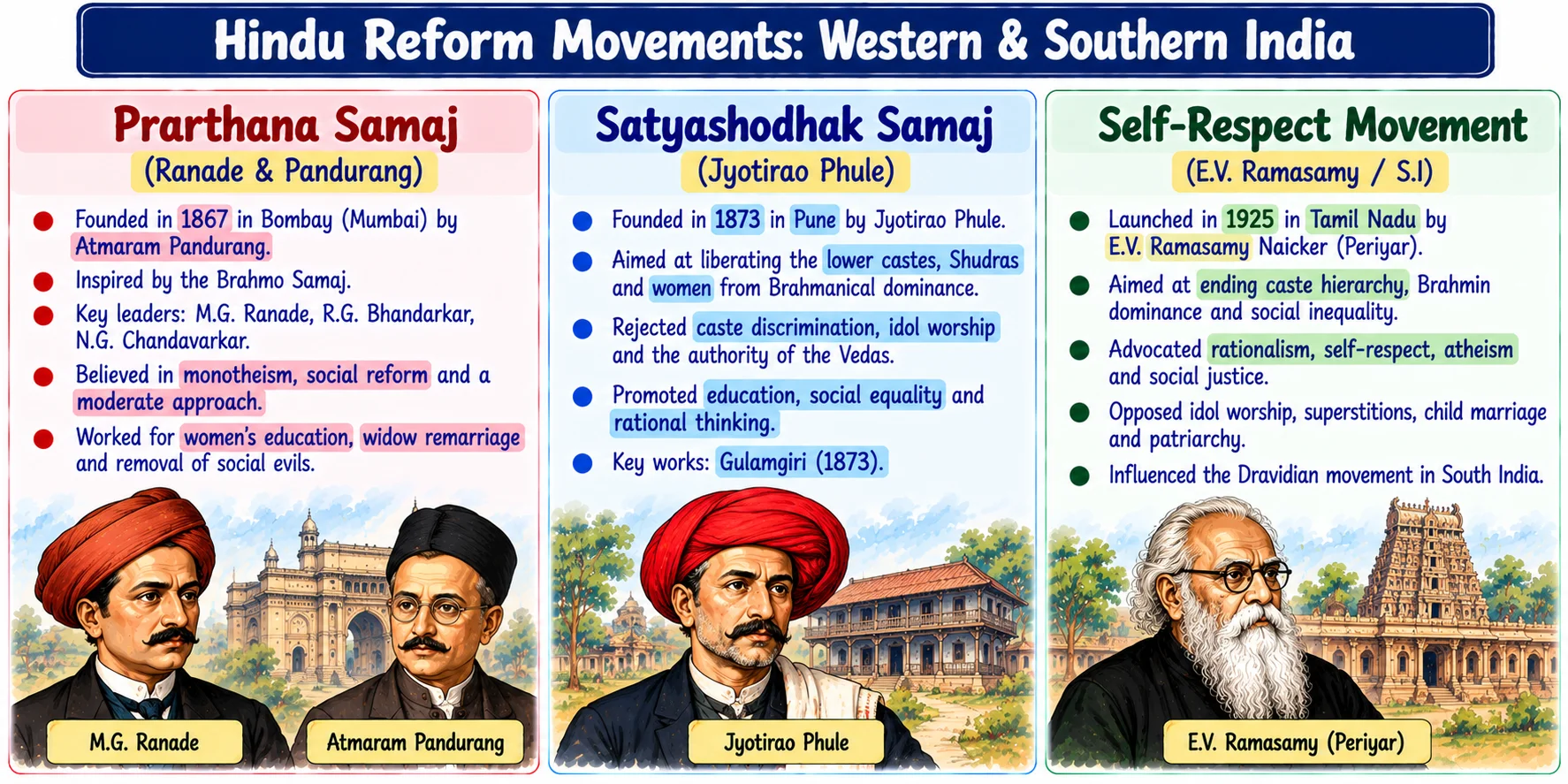 Figure 5: Prominent Reform Initiatives across Western and Southern India
A. Prarthana Samaj (1867)
- Founders & Key Leaders: Founded in Bombay in 1867 by Dr. Atmaram Pandurang, inspired by Brahmo leader Keshab Chandra Sen. Later guided by Justice Mahadev Govind Ranade (M.G. Ranade), R.G. Bhandarkar, and N.G. Chandavarkar.
- Core Philosophy: Focused on practical social reform rather than abstract metaphysical speculation. Unlike the Brahmo Samaj, its members operated firmly within the traditional Hindu fold.
- Four-Point Agenda: Disapproval of caste rigidity and untouchability, promotion of widow remarriage (Widow Remarriage Association, founded by Ranade in 1861), female education, and raising the age of marriage for boys and girls.
B. Satyashodhak Samaj and Jyotirao Govindrao Phule (1827 – 1890)
- Foundation: Established the Satyashodhak Samaj (Truth-Seekers’ Society) on September 24, 1873, in Pune to liberate Shudras and Ati-Shudras from socio-economic and religious exploitation by Brahmanical orthodoxy.
- Literary Landmark — Gulamgiri (1873): Authored Gulamgiri (Slavery), dedicating it to the American anti-slavery movement while critiquing caste hierarchy and Aryan supremacy narratives.
- Pioneer of Women’s Education: Alongside his wife, Savitribai Phule, Jyotirao opened the first indigenous school for girls in Pune at Bhide Wada (1848) and established a shelter home (Balhatya Pratibandhak Griha) for pregnant widows.
4. The Great Revivalist Movements
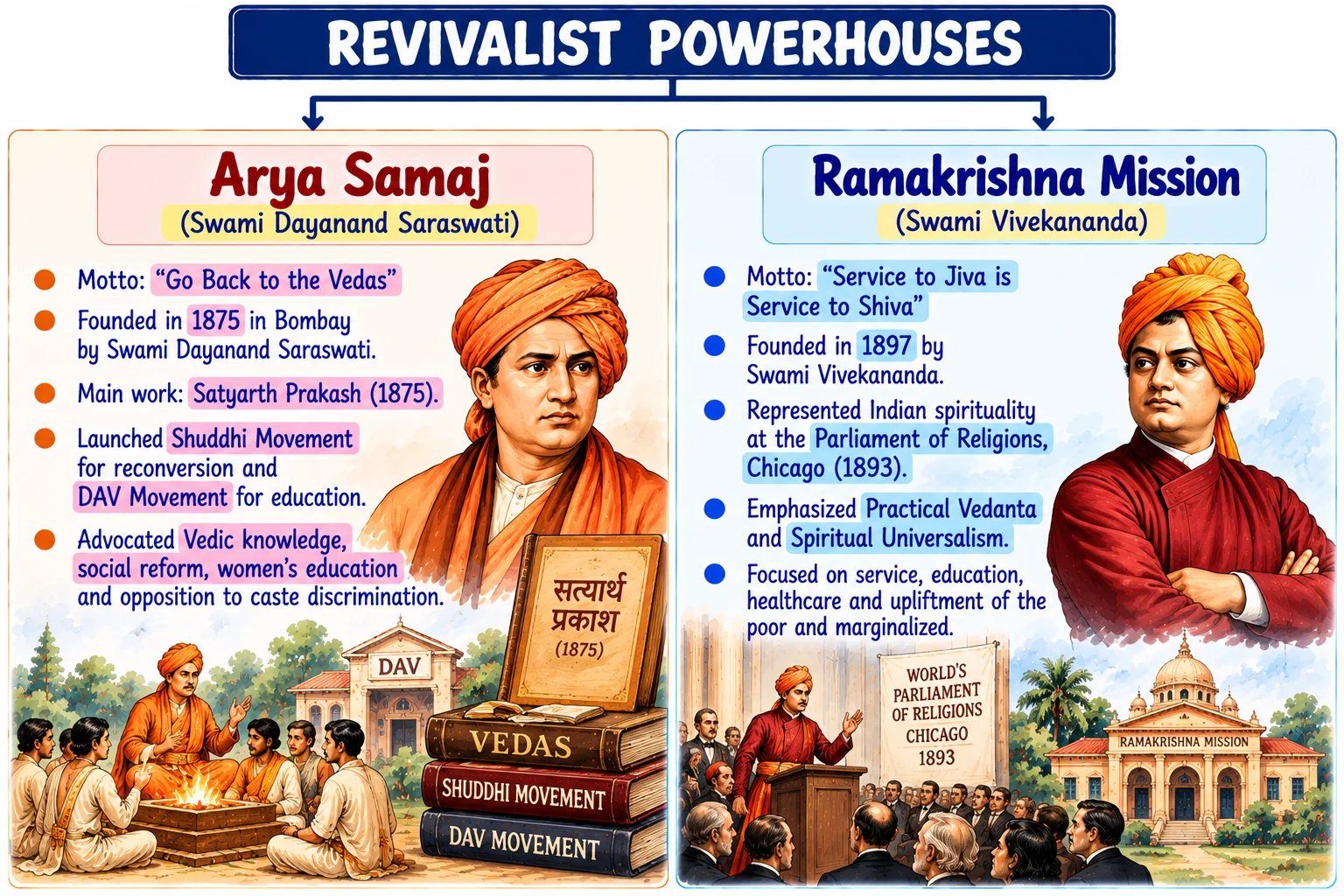 Figure 6: Core Tenets of Arya Samaj and Ramakrishna Mission
A. Swami Dayanand Saraswati and the Arya Samaj (1875)
- Founder & Inception: Born as Mula Shankara in Kathiawar (Gujarat), he became an ascetic disciple of the blind sage Swami Virjananda at Mathura. Founded the Arya Samaj at Bombay on April 10, 1875 (headquarters shifted to Lahore in 1877).
- Core Doctrine — “Go Back to the Vedas” (Vedo ki or lauto): Proclaimed the four Vedas as infallible divine truth. Rejected subsequent Puranic additions, idolatry, polytheism, animal sacrifice, ancestor rituals (Shraddha), child marriage, and hereditary caste divisions, asserting that social rank must reflect conduct (Karma) rather than birth.
- Satyarth Prakash (1875): His magnum opus composed in Hindi, articulating his philosophical principles and theological critiques.
- Shuddhi Movement: An organized reconversion initiative aimed at bringing individuals who had converted to Christianity or Islam back into the Hindu fold.
- Concept of Swaraj: First thinker to use the term “Swaraj” in a socio-political context, declaring: “Good government is no substitute for self-government.”
- The Educational Split (1892–1893):
- College Party (Moderate): Led by Lala Hansraj and Lala Lajpat Rai; endorsed Western English education alongside Vedic values, founding the Dayanand Anglo-Vedic (DAV) College at Lahore in 1886.
- Gurukul Party (Orthodox): Led by Swami Shraddhanand (Munshi Ram); insisted on ancient gurukul pedagogy, establishing Gurukul Kangri at Haridwar in 1902.
B. Ramakrishna Paramahamsa and Swami Vivekananda (Ramakrishna Mission)
- Ramakrishna Paramahamsa (1836 – 1886): A mystic priest at the Dakshineswar Kali Temple who realized spiritual oneness across Hinduism, Islam, and Christianity, teaching “Joto mot, toto poth” (“As many faiths, so many paths”).
- Swami Vivekananda (1863 – 1902): Born Narendranath Datta; systematized his master’s realizations into Practical Vedanta, synthesizing spiritual Advaita with selfless humanitarian service.
- Parliament of Religions, Chicago (September 11, 1893): Delivered his celebrated address opening with “Sisters and Brothers of America,” introducing Vedanta and Indian philosophy to global acclaim.
- Ramakrishna Mission (1897): Established at Belur Math near Kolkata under the motto: “Atmano Mokshartham Jagaddhitaya Cha” (“For one’s own spiritual liberation and for the welfare of the world”). Proclaimed that service to mankind is service to God (“Jiva is Shiva”).
C. The Theosophical Society
- Founders: Founded in New York in 1875 by Madame H.P. Blavatsky and Colonel H.S. Olcott; shifted international headquarters to Adyar (near Madras) in 1882.
- Role of Annie Besant: Joined in 1889 and settled in India in 1893, popularizing Upanishadic and Vedantic philosophy. Founded the Central Hindu College at Varanasi (1898), which was later developed into Banaras Hindu University (BHU) by Pandit Madan Mohan Malaviya in 1916. She established the Home Rule League in 1916 and was elected the first female President of the Indian National Congress (1917, Calcutta).
5. Muslim Socio-Religious Reform Movements
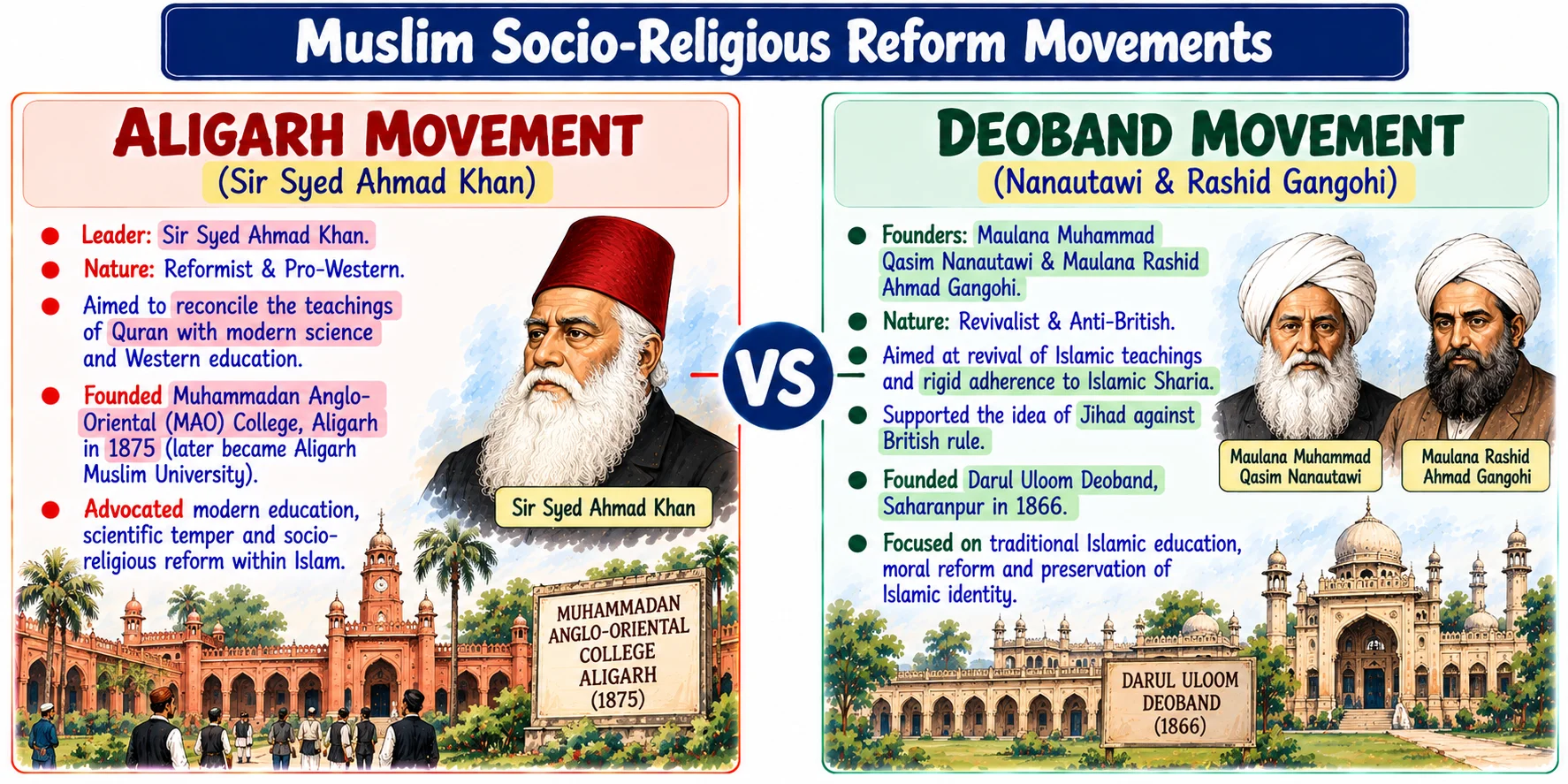 Figure 7: Comparison between Aligarh and Deoband Perspectives
A. Sir Syed Ahmad Khan and the Aligarh Movement
- Modernizing Drive: Following the suppression of the 1857 Revolt, Sir Syed sought to lift Indian Muslims out of educational and economic marginalization through modern Western education and scientific reasoning.
- Rational Theology: Maintained that genuine Islamic teachings are compatible with modern science, arguing that the Quran should be understood through rational inquiry rather than medieval dogma.
- Key Institutions:
- The Scientific Society (1864): Established to translate major English scientific works into Urdu.
- Tahzib-ul-Akhlaq (1870): A monthly periodical to advocate social reform, purge superstition, and oppose purdah and polygamy.
- Muhammadan Anglo-Oriental (MAO) College (1875): Founded at Aligarh to provide scientific and liberal education alongside Islamic studies; upgraded to Aligarh Muslim University (AMU) in 1920.
- Political Outlook: Advocated political loyalty to the British colonial government to safeguard community educational and civil progress, discouraging Muslim participation in the Indian National Congress.
B. The Deoband School (Revivalist)
- Foundation: Established in 1866 at the Darul Uloom madrasa in Deoband (Saharanpur, UP) by Muhammad Qasim Nanautawi and Rashid Ahmad Gangohi.
- Ideological Stance: Orthodox Islamic revivalism focusing on strict preservation of Quranic and Hadith traditions while opposing Western cultural influence. Politically anti-British, Deoband supported the Indian National Congress and issued a fatwa against Sir Syed’s loyalist organizations.
C. Other Islamic Reform Movements
- Faraizi Movement (1819): Founded in East Bengal by Haji Shariatullah to enforce the fundamental religious duties (Faraiz) of Islam, later organized by his son Dudu Miyan into an agrarian resistance movement against oppressive zamindars.
- Ahmadiyya Movement (1889): Founded by Mirza Ghulam Ahmad of Qadian (Punjab), advocating universal tolerance, inter-faith dialogue, and opposition to armed religious conflict.
6. Reforms Among Sikhs, Parsis, and Lower-Caste Movements
- Parsi Reform (Rahnumai Mazdayasnan Sabha, 1851): Founded in Bombay by Naoroji Furdunji, Dadabhai Naoroji, and S.S. Bengalee to restore Zoroastrianism to its foundational teachings, support women’s education, and dismantle the purdah system through their organ, Rast Goftar.
- Singh Sabha & Akali Movements: The Singh Sabha (1873, Amritsar) established Khalsa schools to promote modern education alongside Sikh doctrine. Later, the Akali Movement (1920–1925) organized non-violent satyagrahas to liberate historical Gurdwaras from corrupt Mahants, culminating in the Sikh Gurdwaras Act of 1925 under the Shiromani Gurdwara Parbandhak Committee (SGPC).
- Aravippuram Movement (1888): Sri Narayana Guru consecrated a Shiva lingam at Aravippuram (Kerala), defying the upper-caste monopoly on worship and giving the clarion call: “One Caste, One Religion, One God for Man” (Oru Jathi, Oru Matham, Oru Daivam Manushyanu).
- Self-Respect Movement (1925): Founded in Tamil Nadu by E.V. Ramasamy Naicker (Periyar) to advance rationalism, eradicate untouchability, conduct non-brahminical weddings, and critique caste texts through his weekly paper, Kudi Arasu.
7. Major Social Reform Legislations under British Rule
| Legislation | Year Passed | Governor-General / Viceroy | Key Reform Enacted |
|---|---|---|---|
| Bengal Sati Regulation (Regulation XVII) | 1829 | Lord William Bentinck | Declared Sati illegal and punishable as culpable homicide; championed by Raja Ram Mohan Roy. |
| Abolition of Slavery Act (Act V) | 1843 | Lord Ellenborough | Abolished legal recognition of slavery across East India Company territories. |
| Hindu Widows’ Remarriage Act (Act XV) | 1856 | Lord Canning (Drafted by Dalhousie) | Legalized Hindu widow remarriage and legitimized heirs; championed by Ishwar Chandra Vidyasagar. |
| Native Marriage Act (Civil Marriage Act) | 1872 | Lord Northbrook | Prohibited child marriage and polygamy; fixed minimum marriage ages (14 for girls, 18 for boys) for secular marriages. |
| Age of Consent Act | 1891 | Lord Lansdowne | Raised the minimum age of marital consent for girls from 10 to 12 years; spearheaded by B.M. Malabari. |
| Child Marriage Restraint Act (Sarda Act) | 1929 | Lord Irwin | Fixed legal minimum marriage ages at 14 for girls and 18 for boys across all communities; initiated by Harbilas Sarda. |
8. Quick Examination Facts
| Topic / Milestone | Key Exam Fact |
|---|---|
| “Father of the Indian Renaissance” | Raja Ram Mohan Roy (1772 – 1833) |
| Year & Founder of Atmiya Sabha | 1815, Raja Ram Mohan Roy in Calcutta |
| Year & Venue of Brahmo Samaj Founding | August 20, 1828 (Renamed Brahmo Samaj in 1830) at Calcutta |
| Regulation Abolishing Sati | Regulation XVII of 1829 CE (Lord William Bentinck) |
| Newspapers of Raja Ram Mohan Roy | Sambad Kaumudi (Bengali, 1821) & Mirat-ul-Akhbar (Persian, 1822) |
| Title ‘Raja’ Bestowed By | Mughal Emperor Akbar II |
| Founder of Young Bengal Movement | Henry Louis Vivian Derozio (Hindu College, Calcutta) |
| Act Legalizing Hindu Widow Remarriage | Act XV of 1856 CE (Lord Canning; advocated by Vidyasagar) |
| Founder of Satyashodhak Samaj | Mahatma Jyotirao Phule (1873; authored Gulamgiri in 1873) |
| First Indigenous Girls’ School | Bhide Wada, Pune (1848, by Jyotirao & Savitribai Phule) |
| Founder of Arya Samaj & Core Motto | Swami Dayanand Saraswati (1875, Bombay; “Go Back to the Vedas”) |
| First Thinker to Propound “Swaraj” | Swami Dayanand Saraswati in Satyarth Prakash (1875) |
| Swami Vivekananda’s Chicago Address | September 11, 1893 CE (World’s Parliament of Religions) |
| Founder & Headquarters of Ramakrishna Mission | Swami Vivekananda (1897; Belur Math, West Bengal) |
| Founder of MAO College Aligarh | Sir Syed Ahmad Khan (1875; upgraded to AMU in 1920) |
| Periodical Founded by Sir Syed Ahmad Khan | Tahzib-ul-Akhlaq (1870) |
| Founders of Deoband Movement | Muhammad Qasim Nanautawi & Rashid Ahmad Gangohi (1866) |
| Parsi Reform Journal ‘Rast Goftar’ | Dadabhai Naoroji & Naoroji Furdunji (1851) |
| Universal Slogan on Human Unity | Sri Narayana Guru (“One Caste, One Religion, One God for Man”, 1888) |
| Minimum Age under Sarda Act (1929) | 14 years for girls and 18 years for boys |
9. Conclusion
The 19th-century Socio-Religious Reform Movements transformed the moral, philosophical, and social landscape of modern India. While reformers differed significantly in their specific approaches—some advocating rationalist Westernization (Brahmo Samaj, Aligarh) while others championed scriptural revivalism (Arya Samaj, Deoband)—they shared a united, passionate commitment to eradicating caste tyranny, liberating women, and terminating ritualistic decay. By dismantling centuries of social fatalism and restoring cultural self-confidence, these movements sowed the intellectual and moral seeds that blossomed into the nationwide, anti-colonial Indian National Movement.
Socio-Religious Reform Movements in the 19th Century
Practice Quiz • 15 MCQs